
Buy Antabuse at Low Price in the United States Online
- Home/
- Buy Antabuse at Low Price in the United States Online
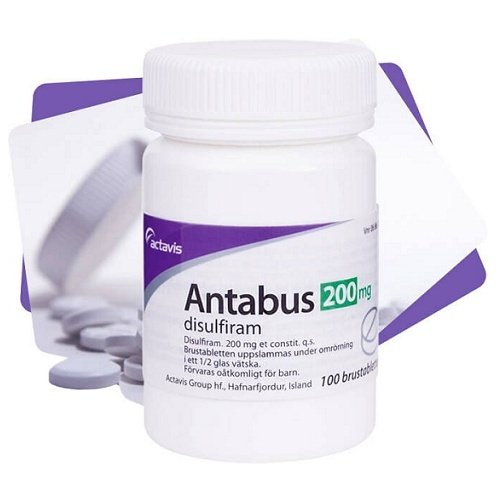
| Product Name | Antabuse |
|---|---|
| Main Ingredient | Disulfiram |
| Intended Use | Support for recovery from Alcohol Dependence |
| Strength Variations | 250 mg, 500 mg tablets |
| How Quickly It Begins to Work | Typically active within 30 minutes of ingestion |
| Effective Time Span | Lasts 1 to 2 weeks after the last dose |
| Daily Usage or As Needed? | Once daily, regular use recommended |
| Requirement for Prescription | Yes; prescription needed in the United States |
| Typical Price Range (US) | Approximately $60–$120 per month (generic) |
Antabuse for Alcohol Dependence: Guidance and Realities in the United States
Antabuse, containing the active ingredient Disulfiram, is a medication approved for aiding recovery from alcohol addiction. In the United States, it is available by prescription and has been used for decades to support individuals committed to remaining alcohol-free. The following guide addresses not just what Antabuse is, but what it means for your life and your decisions moving forward.
Understanding the Scope: Alcohol Dependence as a Challenge That Can Be Addressed
Alcohol dependence is a widespread health concern in the United States, impacting millions of individuals and families. According to the National Institute on Alcohol Abuse and Alcoholism (NIAAA), an estimated 29.5 million people aged 12 and older had Alcohol Use Disorder in 2021. Recognizing that you are not alone—and that medical solutions exist—can be the first step toward recovery. Treatment is both achievable and common; thousands of Americans begin such journeys every day. Seeing this problem as solvable is not just hope, but evidence-based reality.
How Antabuse Works: From Chemistry to Daily Life
- Physiological Impact: Antabuse (Disulfiram) works by disrupting how your body breaks down alcohol. Normally, alcohol is metabolized in two steps: first to acetaldehyde (a toxic compound), then to acetic acid (harmless). Disulfiram blocks the second step, causing acetaldehyde to build up if alcohol is consumed.
- Practical Result: If you drink alcohol while taking Antabuse, you will quickly experience uncomfortable effects: facial flushing, pounding headache, nausea, vomiting, rapid heart rate, and a feeling of anxiety. These effects begin within 10–30 minutes of drinking and can last for hours.
- Purposeful Deterrent: Because the reaction is so unpleasant, Antabuse acts as a strong psychological and physical deterrent—helping you maintain abstinence by making drinking a distinctly negative experience.
Unlike medications that reduce cravings, Antabuse is an “aversion therapy”—it does not treat withdrawal or reduce the desire to drink, but helps you avoid relapse when combined with motivation and support.
Is Antabuse Right for You? Matching Life Situations to Treatment Choices
| If this describes you… | Antabuse may be… | Why or why not? |
|---|---|---|
| You are highly motivated to stay sober, have support, and want an extra layer of protection against relapse. | Appropriate | The deterrent effect can reinforce your commitment if you are already abstinent and want to avoid accidental or impulsive drinking. |
| You struggle with keeping appointments or remembering daily medications. | Potentially less suitable | Skipping doses or inconsistent use reduces effectiveness; alternate treatments may be more practical if adherence is challenging. |
| You have significant heart, liver, or psychiatric conditions, or are unable to commit to complete abstinence during treatment. | Not suitable | Serious health risks can result from the Antabuse–alcohol reaction or from interactions with your conditions or medications. |
| You are seeking help for alcohol cravings, not just relapse prevention. | May not be optimal | Medications like naltrexone or acamprosate target cravings directly and may be more effective in these circumstances. |
Selection should be made in consultation with your healthcare provider, who can consider your full medical and personal context.
Using Antabuse in Everyday Life: Practical Guidance and What to Expect
- When to Start: Begin Antabuse only after you have been alcohol-free for at least 12 hours, and preferably 24 hours, to avoid dangerous reactions.
- How to Take: One tablet daily, at the same time each day, with or without food. Consistency improves effectiveness.
- Missed Dose: If you forget a dose, take it as soon as you remember. If it is almost time for your next dose, skip the missed one—never double up.
- Alcohol Exposure: Avoid even small amounts—including in sauces, certain desserts, over-the-counter cough syrups, and cosmetics containing alcohol. Read labels carefully.
- If You Drink While on Antabuse: Expect a rapid onset of symptoms. If you experience severe chest pain, shortness of breath, or collapse, call emergency services immediately (see below for emergency information).
- Non-standard Situations:
- If Antabuse does not seem to work, discuss possible interactions or metabolism differences with your doctor before making changes.
- If you wish to stop Antabuse, consult your provider—its effects can linger for up to two weeks after your last dose.
Contraindications: Who Should Not Take Antabuse and Why
- Severe heart disease: Antabuse can cause cardiovascular stress if alcohol is consumed, increasing the risk of serious arrhythmias or heart complications.
- Liver impairment: Since Disulfiram is processed through the liver and can cause hepatitis, use is not recommended in those with severe liver dysfunction.
- Psychosis or severe mental health disorders: The risk of confusion or worsening psychiatric symptoms is elevated in these populations.
- Pregnancy or breastfeeding: Safety data is limited, and potential risks to the fetus or infant are not fully known.
- Hypersensitivity to Disulfiram or similar compounds: Allergic reactions, although rare, can be serious.
Always provide your complete health history to your prescriber before starting Antabuse. The U.S. Food and Drug Administration (FDA) regulates Disulfiram, and your doctor must ensure you meet all suitability criteria.
Possible Side Effects: Frequency, Severity, and When to Get Help
- Common and Usually Mild: Drowsiness, tiredness, headache, metallic or garlic-like taste in the mouth, skin rash. These often resolve with continued use.
- Occasional, May Need Attention: Liver test abnormalities, mild confusion, or changes in mood. Notify your doctor if you notice yellowing of the skin, dark urine, or persistent mental changes.
- Rare but Serious—Seek Immediate Help: Severe chest pain, irregular heartbeat, difficulty breathing, or signs of a severe allergic reaction (swelling of lips, face, throat, or difficulty swallowing). In these cases, call 911 or the Poison Help line (1-800-222-1222) in the United States without delay.
Side effect risks increase if Antabuse is combined with alcohol—these reactions can be dangerous and occasionally life-threatening. Do not hesitate to seek emergency assistance if you feel acutely unwell after taking Antabuse or drinking alcohol while on it.
Medication Interactions: What Not to Combine With Antabuse
- Alcohol: Any form, including hidden sources, must be strictly avoided.
- Metronidazole, paraldehyde, and some anticoagulants (like warfarin): Dangerous interactions may occur, including confusion, abnormal bleeding, or psychosis.
- Other medications processed by the liver: Antabuse may increase the risk of liver toxicity if combined with certain anticonvulsants or psychiatric medications.
- Non-prescription items: Some cough syrups, mouthwashes, and topical products contain alcohol—always check the ingredient list.
Before starting Antabuse, provide your doctor and pharmacist with a complete list of everything you take—including supplements and over-the-counter products. Adjustments may be required to avoid harmful interactions.
Comparing Antabuse With Other Options: When Is It the Right Choice?
| Medication | Main Action | Best for… | Limitations |
|---|---|---|---|
| Antabuse (Disulfiram) | Aversion: causes intense reaction if alcohol is consumed | Individuals motivated to abstain, with good support systems | No effect on cravings; alcohol exposure is dangerous; adherence needed |
| Naltrexone | Reduces cravings and pleasure from drinking | Those struggling with urge to drink rather than with abstinence | Does not cause adverse reaction if alcohol is consumed |
| Acamprosate | Stabilizes brain chemistry post-cessation | People aiming for abstinence but experiencing persistent cravings | Needs to be taken three times daily; kidney function must be adequate |
| Psychosocial therapies | Counseling, group therapy, behavioral support | All individuals with Alcohol Dependence | Effectiveness increases when combined with medication |
Antabuse is most effective for those who are committed to abstinence and want a physical deterrent to relapse. For people who continue to experience cravings, other medications may be preferable. No single approach suits everyone—treatment must be tailored.
What You’ll Actually Pay: The Full Cost Breakdown for Antabuse in the US
| Cost item | Amount | Note |
|---|---|---|
| Physician consultation (in-person or telehealth) | $80–$250 | Varies by provider and insurance |
| Prescription fee (if charged separately) | $0–$30 | Some clinics include this in visit fee |
| Generic Antabuse tablets (30-day supply) | $60–$120 | Depends on pharmacy, location, and insurance coverage |
| Shipping/delivery | $0–$20 | Standard delivery, online pharmacy orders |
| Total | $140–$420 | First month; higher if uninsured or if multiple visits needed |
Most insurance plans cover some or all of these costs. Many online and local pharmacies offer generic Disulfiram at competitive prices, but a valid prescription remains a requirement. Always buy from a licensed U.S. pharmacy to ensure authenticity and safety.
What Else Should I Know Before Deciding? Addressing Last Concerns
“One of the most common questions I hear as a specialist is: ‘Can I ever safely drink again after stopping Antabuse?’ My answer is clear—because Antabuse’s effect can linger for up to two weeks, even a single drink during this period can trigger a severe reaction. Always wait at least 14 days after your last dose before considering any alcohol-containing product. If you’re not sure, err on the side of caution, and speak with your healthcare provider.”
— doctor, Addiction Medicine Specialist
- How do I get started? Schedule a visit with your doctor or an addiction specialist. They will screen for safety, write a prescription, and guide you on what to expect.
- What if I feel unwell after starting? Contact your doctor for mild symptoms; if you experience chest pain, fainting, or severe illness after alcohol exposure, call 911 or the Poison Help line (1-800-222-1222).
- Is Antabuse safe to buy online? Only if purchased from a U.S.-licensed pharmacy and with a prescription. Unregulated sources may sell counterfeit products or bypass safety protocols—avoid them.
For many, Antabuse is a useful tool for maintaining sobriety, but it works best as part of a comprehensive plan involving medical, psychological, and social support. If you have questions specific to your health, use your consultation to ask openly—your healthcare provider’s role is to help you succeed, not to judge.