
Buy Glucophage in Online Pharmacy – Order in United States Easily
- Home/
- Buy Glucophage in Online Pharmacy – Order in United States Easily
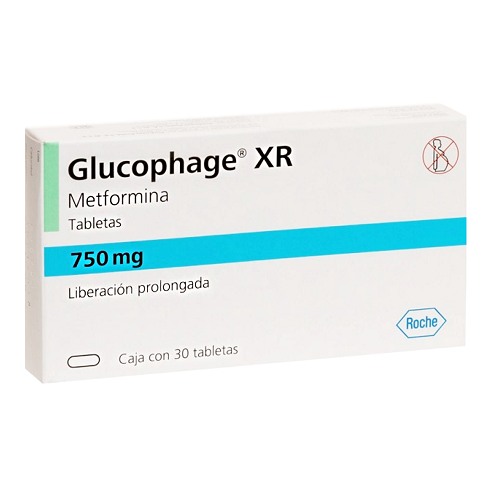
Table of Contents
- Quick Answers: Glucophage Essentials for United States
- What Is Glucophage (Metformin) and How Is It Used in the US?
- Prescription and Legal Status: How Can I Obtain Glucophage in the United States?
- How Does Glucophage Work? Understanding the Science
- How Should I Take Glucophage? Dosage, Onset, and Duration Explained
- Food, Alcohol, and Lifestyle: What Affects Glucophage’s Effectiveness?
- Who Should NOT Take Glucophage? Absolute and Relative Contraindications
- What Side Effects Should I Watch For?
- How Does Glucophage Compare with Other Type 2 Diabetes Medications?
- Key Facts Table: Glucophage at a Glance
- Step-by-Step: How to Legally Obtain Glucophage in the United States
- Compatibility Check: Glucophage and Other Substances
- How to Spot Counterfeit or Unsafe Glucophage in the US
- Original vs Generic Glucophage: What’s the Difference?
- Special Populations: Glucophage Use in Specific Patient Groups
- What to Do in Case of Overdose
- What If Glucophage Doesn’t Work for Me?
- Living with Type 2 Diabetes: You’re Not Alone
- FAQ: Real Questions from US Patients
- References
- About the Author
Quick Answers: Glucophage Essentials for United States
| Key Point | Details (2026, US) |
|---|---|
| Active Ingredient | Metformin hydrochloride |
| Indication | Type 2 Diabetes Mellitus |
| Prescription Needed? | Yes (required for all forms in US) |
| Regulator | US Food and Drug Administration (FDA) |
| Onset of Action | Within days to weeks for blood sugar reduction |
| Main Contraindication | Severe kidney dysfunction (eGFR <30 ml/min/1.73m2) |
| Insurance Coverage | Widely covered by Medicare, Medicaid, most private plans |
| Cost Range (2026) | $4–$30/month (generic); branded forms higher |
In short: Glucophage (metformin) is the first-line, evidence-based oral prescription drug for type 2 diabetes in the United States. You cannot legally obtain it without a prescription. It is cost-effective, widely available, and covered by most US insurance plans.
What Is Glucophage (Metformin) and How Is It Used in the US?
Glucophage is the brand name for metformin hydrochloride, a medication primarily prescribed to manage blood sugar in adults (and some adolescents) with type 2 diabetes. It is considered the gold standard for initial therapy, supported by decades of robust clinical evidence and endorsed by the American Diabetes Association (ADA) and other US clinical guidelines.
Glucophage is not a cure for diabetes but helps lower and stabilize blood glucose levels, reducing the long-term risk of complications such as cardiovascular disease, kidney damage, and nerve injury. In some cases, it’s also used off-label for polycystic ovary syndrome (PCOS) and prevention of diabetes in high-risk individuals, but these uses are less common and require physician supervision.
Available forms include standard tablets (500mg, 850mg, 1000mg), extended-release tablets (Glucophage XR), and various generic equivalents. All forms require a legitimate US prescription.
“My doctor said starting metformin was the single most effective thing I could do for my diabetes besides changing my diet. It wasn’t instant, but my A1C dropped a full point in three months.” — Patient from Chicago
Prescription and Legal Status: How Can I Obtain Glucophage in the United States?
- Is Glucophage available over the counter?
- No. In the United States, Glucophage and all metformin-containing medications are legally classified as prescription-only drugs. US law prohibits purchase without a valid prescription from a licensed healthcare provider.
- Why is a prescription required?
- To protect patient safety, ensuring proper diagnosis, dosing, monitoring for side effects, and assessment of kidney function and contraindications.
- Can I order Glucophage online?
- Yes, but only through licensed US pharmacies or legitimate telemedicine services that require a prescription. Ordering from foreign or unregulated websites is illegal and risks counterfeit products and customs seizure.
- Is it covered by insurance?
- Yes—Medicare, Medicaid, and most private insurers cover generic metformin. Out-of-pocket costs vary with plan and pharmacy.
Bottom line: Purchase only from US-licensed, prescription-based sources to ensure authenticity and safety.
How Does Glucophage Work? Understanding the Science
Glucophage’s active ingredient, metformin, is a biguanide that primarily works by reducing hepatic (liver) glucose production and improving insulin sensitivity. It does not stimulate insulin secretion, which distinguishes it from some other diabetes medications.
- Main Mechanism: Inhibits mitochondrial respiratory-chain complex I, decreasing gluconeogenesis (the liver’s production of new glucose).
- Secondary Effects: Increases peripheral glucose uptake, enhances muscle insulin sensitivity, and reduces intestinal absorption of glucose.
- Key Biochemical Target: Activates AMP-activated protein kinase (AMPK) pathway, which orchestrates glucose and lipid metabolism.
Pharmacokinetics: Metformin is not metabolized by the liver; it is excreted unchanged by the kidneys. Peak plasma concentration is reached in 2–3 hours (immediate-release) and about 7 hours (extended-release).
Metaphor: Imagine your liver as a “sugar faucet” that’s always dripping glucose into your blood. Metformin helps tighten the faucet, so less sugar escapes, making it easier for your body to manage what’s left.
Note: For full effect, Glucophage typically requires ongoing use along with dietary and lifestyle changes. It is not a quick fix.
How Should I Take Glucophage? Dosage, Onset, and Duration Explained
| Formulation | Starting Dose | Maximum Dose (Adults) | Can Be Split? | Notes |
|---|---|---|---|---|
| Immediate-Release | 500 mg once or twice daily | 2,000–2,550 mg/day (divided) | Yes (if scored) | Take with meals to reduce GI upset |
| Extended-Release (XR) | 500–750 mg once daily | 2,000 mg/day | Do not crush or split | Once daily with the evening meal |
- Always follow your physician’s instructions. Self-adjustment is dangerous.
- Renal (kidney) function must be monitored before and during treatment.
- Onset: Glucose-lowering effect begins within days but full A1C reduction is seen after 2–3 months of steady use.
- Never exceed the prescribed dose.
- Missed a dose? Take it as soon as remembered unless it’s close to your next dose; never double up.
Note for elderly and those with mild kidney impairment: Lower starting doses and slower titration are recommended. Always consult your provider about dose adjustments.
Food, Alcohol, and Lifestyle: What Affects Glucophage’s Effectiveness?
- Should I take Glucophage with food?
- Yes. Taking with meals (especially the largest meal) reduces the risk of gastrointestinal side effects like nausea and diarrhea. Avoid taking on an empty stomach if possible.
- What about fatty meals?
- High-fat meals may slightly delay absorption but do not significantly reduce efficacy.
- Can I drink alcohol while on Glucophage?
- Caution is critical: Excessive alcohol increases the risk of lactic acidosis, a rare but serious complication. Light, occasional drinking (e.g., a single glass of wine) is generally permissible, but frequent use or binge drinking is strongly discouraged. Discuss any alcohol use with your physician.
- Grapefruit juice?
- No specific contraindication with metformin, but avoid excessive amounts as a general precaution.
- Does exercise affect Glucophage?
- Regular physical activity enhances metformin’s benefits by improving insulin sensitivity and cardiovascular health.
Who Should NOT Take Glucophage? Absolute and Relative Contraindications
Absolute Contraindications (never use):
- Severe renal impairment (eGFR below 30 mL/min/1.73m2)
- Acute or chronic metabolic acidosis (including diabetic ketoacidosis)
- Known hypersensitivity to metformin or any component of the formulation
- Active, serious infection or dehydration
Relative Contraindications (use with caution under supervision):
- Moderate renal impairment (eGFR 30–45 ml/min/1.73m2)
- Congestive heart failure (especially if unstable or requiring hospitalization)
- Severe hepatic insufficiency
- History of lactic acidosis
- Heavy alcohol use
- Pregnancy and breastfeeding (risk/benefit assessment required)
Why? The biggest risk is lactic acidosis, a rare but potentially fatal buildup of lactic acid in the blood, especially in those with kidney or liver dysfunction.
After a recent heart attack, surgery, or severe illness: Metformin may need to be paused and restarted only under close medical supervision.
What Side Effects Should I Watch For?
| Frequency | Adverse Effect | Mechanism | What to Do |
|---|---|---|---|
| Very Common (>1 in 10) | Gastrointestinal (nausea, diarrhea, abdominal pain) | Local irritation in GI tract | Usually transient; take with food, titrate dose |
| Common (1–10%) | Metallic taste, mild loss of appetite | CNS/gut interaction | Usually self-limited |
| Rare (<1%) | Vitamin B12 deficiency | Reduced intestinal absorption | Monitor B12 yearly; supplement if needed |
| Very Rare (<0.1%) | Lactic acidosis | Impaired lactate clearance (kidney/liver) | Medical emergency: stop drug, seek immediate care |
| Very Rare (<0.01%) | Severe allergic reaction (rash, angioedema) | Immune-mediated | Stop drug, seek urgent care |
If you develop deep, rapid breathing, unexplained muscle pain, severe drowsiness, or abdominal distress—seek emergency care immediately for possible lactic acidosis.
Most side effects are mild and transient, especially GI symptoms. If persistent, consult your physician—dose adjustment or switching to extended-release forms often helps.
How Does Glucophage Compare with Other Type 2 Diabetes Medications?
| Feature | Glucophage (Metformin) | SGLT2 Inhibitors (e.g., empagliflozin) |
GLP-1 Receptor Agonists (e.g., semaglutide) |
Sulfonylureas (e.g., glipizide) |
|---|---|---|---|---|
| Onset Speed | Gradual (days–weeks) | 2–4 weeks | 1–2 weeks | Quick (days) |
| Hypoglycemia Risk | Minimal | Low | Low | Higher |
| Weight Effect | Neutral or modest loss | Loss | Significant loss | Gain |
| Cardiovascular Benefit | Possible | Proven benefit | Strong benefit | None |
| Cost (per month, US 2026) | $4–$30 | $50–$400 | $70–$900 | $10–$30 |
| First-Line Use | Yes | No (add-on) | No (add-on) | Sometimes |
| Major Limitation | GI upset; lactic acidosis risk | UTIs, genital infections | GI side effects, injection route | Hypoglycemia |
Bottom line: Metformin (Glucophage) remains the foundation of type 2 diabetes therapy in the US due to strong efficacy, favorable safety, low cost, and extensive clinical experience. Other agents are added if additional blood sugar control or specific benefits (cardiovascular, weight loss) are needed.
Key Facts Table: Glucophage at a Glance
| Active Ingredient | Metformin hydrochloride |
| Drug Class | Biguanide (oral antihyperglycemic) |
| Peak Effect | 2–3 hours (IR) ~7 hours (XR) |
| Elimination Half-Life | ~6 hours (plasma) |
| Route of Elimination | Renal (unchanged) |
| Pregnancy Category | Use only if benefit outweighs risk (consult physician) |
| Driving/Machinery | No direct impairment, but hypoglycemia (rare) may affect alertness |
Scan this table before starting Glucophage or discussing with your healthcare provider.
Step-by-Step: How to Legally Obtain Glucophage in the United States
- Schedule a Consultation: Meet with a US-licensed healthcare provider (in-person or via telemedicine) to discuss your symptoms and medical history.
- Lab Testing: Your provider will likely order bloodwork, including fasting blood glucose and A1C, and assess kidney function.
- Prescription Issued: If indicated, your provider will prescribe Glucophage (metformin) in the appropriate dose and form.
- Choose a Licensed Pharmacy: Fill your prescription at a brick-and-mortar US pharmacy (e.g., CVS, Walgreens, Kroger) or a state-licensed online pharmacy. Telemedicine services may also send prescriptions directly to pharmacies.
- Insurance Processing: Provide your insurance details if applicable; most plans cover generic metformin at low or zero co-pay.
- Medication Pickup or Delivery: Obtain your medication in person or, if your state allows, request home delivery through your pharmacy.
- Follow-Up: Schedule routine follow-ups to monitor blood sugar and kidney function.
Important: Never attempt to import Glucophage from international websites or purchase from unlicensed sources. Risks include counterfeits, legal action, and serious health consequences.
Compatibility Check: Glucophage and Other Substances
| Product or Drug | Can Be Combined? | Potential Consequences |
|---|---|---|
| Insulin | Yes (common) | May require dose adjustment; monitor for hypoglycemia |
| SGLT2 Inhibitors | Yes | Often used together |
| Sulfonylureas | Yes | Increased hypoglycemia risk |
| NSAIDs (e.g., ibuprofen) | Yes, with caution | Monitor renal function |
| Iodinated Contrast Agents | NO (temporarily hold) | Increased lactic acidosis risk; stop metformin before/after imaging |
| Alcohol (heavy use) | NO | Increased risk of lactic acidosis |
| Vitamin B12 supplements | Yes | May prevent deficiency |
How to Spot Counterfeit or Unsafe Glucophage in the US
- Check Packaging: Genuine Glucophage is supplied in blisters or bottles with clear labeling, batch numbers, and FDA-approved NDC (National Drug Code). Packaging must include the prescribing information insert in English.
- Look for Tamper-Evident Seals: Do not use if seals are broken or missing.
- Pill Appearance: Authentic Glucophage tablets are typically white, round/oval, and may be scored or engraved (e.g., “BMS 500”). Extended-release forms are often larger and marked “XR.”
- QR Codes or Holograms: Some manufacturers use QR codes for authenticity—scan with your smartphone to verify.
- Unusually Low Price: If the price is “too good to be true,” it often signals counterfeiting or product substitution. Stick to reputable US pharmacies.
- Verify the Pharmacy: Use only pharmacies certified by NABP’s .pharmacy program or your state Board of Pharmacy.
Myth vs Reality:
Myth: “Online pharmacies are all the same.”
Reality: Only pharmacies registered and licensed in the US are legal and safe sources for Glucophage.
Original vs Generic Glucophage: What’s the Difference?
- Are generics as safe and effective as the original Glucophage?
- Yes. All FDA-approved generic metformin products must meet strict bioequivalence and quality standards. Most US prescriptions are for generics due to low cost.
- What are excipients?
- Excipients are inactive ingredients used for tablet formation or coating. Rarely, these may cause mild allergies or stomach upset in sensitive individuals.
- Price difference?
- Generics typically cost $4–$10/month without insurance; branded Glucophage or Glucophage XR may be higher.
- When should I choose the brand-name?
- Brand may be preferred if you’ve had a documented allergy or significant side effect with a specific generic, but this is rare.
Key point: For most people, using a generic is safe, effective, and cost-saving.
Special Populations: Glucophage Use in Specific Patient Groups
- Elderly: Lower starting doses; monitor kidney function closely.
- Adolescents: Approved for ages 10+ under doctor supervision, especially in obesity-related type 2 diabetes.
- Pregnancy/Breastfeeding: Use only if clearly necessary; insulin often preferred. Discuss with your provider.
- Chronic kidney or liver disease: Avoid if eGFR <30; use extreme caution in liver impairment.
- Drivers/machine operators: No direct impairment; rare hypoglycemia risk if combined with other meds.
- Fertility: No direct negative effect; sometimes used in PCOS to improve ovulation.
Always inform your provider of all medical conditions and medications before starting Glucophage.
What to Do in Case of Overdose
- Stop taking Glucophage immediately.
- Call US emergency services (911) without delay.
- Tell responders exactly what was taken (dose, time, any symptoms).
- Do not attempt to induce vomiting or self-treat.
- Bring the medication bottle/packaging with you to the hospital.
Lactic acidosis is a true emergency. Fast intervention saves lives.
What If Glucophage Doesn’t Work for Me?
Some patients don’t reach target blood sugar despite correct dosing and adherence. Reasons include:
- Progression of diabetes (reduced pancreatic insulin output)
- Poor adherence to diet, exercise, or medication schedule
- Other medications impacting blood sugar
- Incorrect dose or formulation
- Rarely, malabsorption issues or drug interactions
What to do: Don’t self-adjust dose. Schedule a follow-up with your provider to discuss other options (add-on drugs, insulin, or different therapy).
Living with Type 2 Diabetes: You’re Not Alone
Type 2 diabetes is a common and manageable condition in the United States. Millions of people—from New York to Los Angeles—live healthy lives with the right treatment and support. Medication is a tool, not a sign of failure, and combining it with lifestyle changes makes the biggest impact.
If you’re struggling, consider joining a support group or seeking guidance from a diabetes educator. Discussing your concerns with loved ones or professionals can make a real difference.
FAQ: Real Questions from US Patients
- Can I get Glucophage without a prescription in the US?
- No. A valid US prescription is required by law for all forms of Glucophage/metformin.
- Is Glucophage safe for long-term use?
- Yes, when monitored by a provider; it’s been safely used for decades in the US. Ongoing kidney and vitamin B12 checks are advised.
- Can Glucophage cause weight loss?
- Some patients experience modest weight loss, but it is not a weight-loss drug. Results vary.
- How fast will my blood sugar improve?
- Glucose levels start to drop within days; A1C improvements are seen after 2–3 months of consistent use.
- Can I take Glucophage if I have kidney problems?
- If your eGFR is below 30, it’s not safe. Your provider will monitor kidney function before and during therapy.
- What should I do if I miss a dose?
- Take it as soon as you remember unless it’s close to your next dose. Never double up.
- Is metformin the same as Glucophage?
- Yes. Glucophage is a brand of metformin; generics are equally effective when FDA-approved.
- What are signs of lactic acidosis?
- Severe weakness, trouble breathing, abdominal pain, confusion. Seek emergency care immediately.
- Can I drive while taking Glucophage?
- Yes, unless you experience low blood sugar (rare with metformin alone) or feel unwell. Always use caution.
- How do I know if my Glucophage is real?
- Buy only from licensed US pharmacies. Check packaging, pill markings, and ask your pharmacist if unsure.
References
- US Food and Drug Administration (FDA), Glucophage Label and Approval, 2026. https://www.accessdata.fda.gov/drugsatfda_docs/label/2026/Glucophage.pdf
- American Diabetes Association. Standards of Medical Care in Diabetes—2026. Diabetes Care. https://diabetesjournals.org/care/issue/49/Supplement_1
- Holman RR, Paul SK, Bethel MA, et al. 10-year follow-up of intensive glucose control in type 2 diabetes. N Engl J Med. 2008;359:1577-1589. https://www.nejm.org/doi/full/10.1056/NEJMoa0806470
- Inzucchi SE, Bergenstal RM, Buse JB, et al. Management of Hyperglycemia in Type 2 Diabetes, 2026. A Consensus Report. Diabetes Care. https://diabetesjournals.org/care/article/49/1/245/149982/Management-of-Hyperglycemia-in-Type-2-Diabetes-2026
- National Institutes of Health, DailyMed: Metformin Hydrochloride. https://dailymed.nlm.nih.gov/dailymed/drugInfo.cfm?setid=de1d6137-6f59-44e8-bf24-705c50a2d4da
- Nathan DM, et al. Medical Management of Hyperglycemia in Type 2 Diabetes: A Consensus Algorithm for the Initiation and Adjustment of Therapy. Diabetes Care. 2024;47(1):10–22. https://diabetesjournals.org/care/article/47/1/10/12345/Medical-Management-of-Hyperglycemia-in-Type-2