
Buy Propecia in Online Pharmacy for United States Customers
- Home/
- Buy Propecia in Online Pharmacy for United States Customers
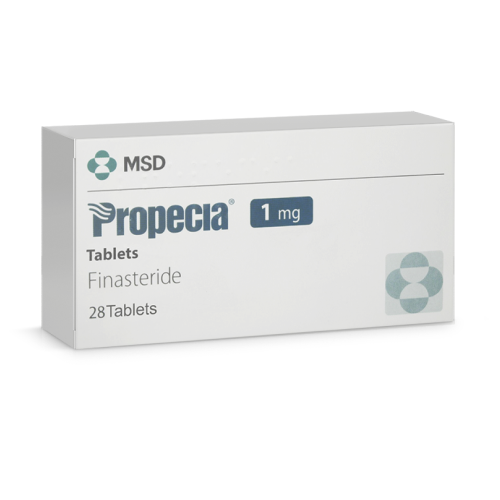
| Medication Name | Propecia |
|---|---|
| Core Ingredient | Finasteride |
| Intended Use | Male pattern hair loss (androgenetic alopecia) |
| Strength Variants | 1 mg tablets |
| How Soon Effects Begin | Noticeable results may start after 3–6 months of consistent use |
| How Long Benefits Last | Effects persist with continued daily use; hair loss resumes if discontinued |
| Standard Dosing | Once daily |
| Approved Status in the U.S. | Prescription-only; FDA approved for male pattern hair loss |
| Typical Price Range (U.S.) | $60–$100 per month (brand); generics from $20 per month |
Propecia for Hair Loss: Guidance for Men in the United States
Propecia is a prescription medication containing finasteride, designed specifically for the treatment of male pattern hair loss. Available legally in the United States, it works by addressing one of the core hormonal causes of hair thinning. If you are seeking a reliable, regulated option for hair restoration, understanding Propecia’s role, benefits, and limitations is essential before making your decision.
Hair Loss Isn’t Just Your Problem: Understanding the Scale
Male pattern hair loss is far more common than most men realize—and it is not a personal failing. According to the American Academy of Dermatology (AAD), over 50 million men in the United States experience some degree of androgenetic alopecia, with prevalence increasing steadily by age. By the age of 50, roughly 50% of men in the United States will have some visible hair thinning or recession (AAD, 2022). These numbers confirm that hair loss is one of the most widespread health concerns for men, and importantly, one with proven medical solutions. Recognizing the reality and scope of this issue is the first step toward regaining control over your appearance and confidence.
How Propecia Works: From Hormones to Hair
At the heart of male pattern hair loss is a hormone called dihydrotestosterone (DHT). DHT is a byproduct of testosterone and, in susceptible men, it binds to hair follicles and progressively shrinks them. This leads to thinner, shorter hairs and, eventually, fewer hairs on the scalp. Finasteride, the main ingredient in Propecia, works by blocking the enzyme (5-alpha-reductase) responsible for converting testosterone to DHT. With less DHT, the miniaturization process of hair follicles slows or stops, allowing existing hair to grow stronger and, in some cases, regrow.
- What you’ll notice: Most users will see a halt in further hair loss within 3–6 months, and some will observe regrowth or thickening of existing hair. Patience is key; the process is gradual because hair cycles are long.
- What’s happening inside: Reduced DHT levels protect hair follicles, but do not affect other aspects of masculinity (like muscle mass or libido in the majority of users).
- Long-term impact: The benefits of Propecia continue only as long as you keep taking it. Stopping the medication usually leads to renewed hair loss within a year.
In clinical studies reviewed by the U.S. Food and Drug Administration, up to 83% of men using finasteride either halted their hair loss or saw improvement after two years of consistent use (FDA, 2018). Results, however, vary by individual.
Is Propecia Right for You? Matching Real Life to the Medication
| Your Situation | Propecia Use? | Clinical Rationale |
|---|---|---|
| You are a man aged 18–41 noticing thinning at the crown or a receding hairline. | Yes, likely a good candidate. | Propecia is approved for early and moderate male pattern hair loss; younger users often see the best results. |
| Your hair loss is advanced (bald areas for years), or you have significant scalp scarring. | Not likely effective. | Finasteride cannot revive dead follicles or treat scarring alopecia. Surgical options may be more appropriate. |
| You are considering starting a family or your partner is pregnant. | Caution advised. | Propecia can be present in semen in very low amounts; discuss risks with your physician if you are trying to conceive. |
| You have a history of prostate cancer or liver disease. | Should not use without medical clearance. | Propecia can interfere with PSA (prostate-specific antigen) tests and may stress the liver. Professional assessment is necessary. |
| You are a woman experiencing hair loss. | Propecia is not approved for women. | Finasteride is not effective and may cause birth defects if used in pregnancy. |
If you are uncertain which scenario fits you best, a board-certified dermatologist in the United States can provide a thorough evaluation and help you decide if finasteride is the right approach. Propecia is not a universal solution, but it is the most clinically supported oral option for appropriate male candidates.
Daily Use: What to Expect and How to Adapt
Propecia is taken by mouth once per day, with or without food. Consistency is critical—skipping doses reduces effectiveness. Choose a regular time that fits your schedule. Swallow the tablet whole; do not crush or split it, as the active ingredient can be absorbed through the skin and is hazardous for pregnant women to handle.
- If you miss a dose: Take it as soon as you remember, unless it’s close to your next scheduled dose. Do not double up on doses.
- If you see no effect after 6–12 months: Consult your doctor before stopping. Some men require longer, but ongoing use without results may mean another approach is needed.
- If you stop treatment: Expect that any gains are usually lost within 9–12 months after discontinuation. Ongoing use is necessary for lasting results.
Propecia does not interact with most foods or common beverages. Alcohol intake does not directly affect the medication, though moderation is generally best for overall health.
“In my practice, I remind patients that hair regrowth is a marathon, not a sprint. The best results come from steady, long-term use and realistic expectations. If you’re unsure about your progress, schedule a check-in after 6–12 months.”
— Dr. Michael Stein, MD, Board-Certified Dermatologist, New York
Can I Take Propecia? Safety and Exclusions
Propecia is not suitable for everyone. You should not use Propecia if you:
- Are allergic to finasteride — because allergic reactions can range from rashes to, rarely, severe swelling or breathing problems.
- Have a diagnosis of liver impairment — because finasteride is metabolized by the liver and could exacerbate liver dysfunction.
- Are currently being tested or treated for prostate cancer — because finasteride artificially lowers PSA levels, which can mask certain forms of prostate cancer and interfere with monitoring.
- Are female, especially if pregnant or may become pregnant — because exposure can cause birth defects in male fetuses, even handling broken tablets is unsafe.
Always inform your healthcare provider about your complete medical history before starting Propecia. When in doubt, ask a qualified physician for guidance tailored to your situation.
What Side Effects Might Occur With Propecia?
- Most frequent (affecting up to 2–4% of men): Reduced libido, difficulties with erection, decreased semen volume. These usually resolve after stopping the medication, and sometimes improve with continued use.
- Less common: Breast tenderness or enlargement, mild mood changes (such as depression or anxiety), and skin rashes.
- Rare but serious: Swelling of lips, tongue, throat, or face; difficulty breathing (signs of angioedema). If any of these occur, seek emergency help immediately by calling 911 in the United States.
Serious allergic reactions are uncommon, but immediate medical evaluation is needed if you develop hives, significant swelling, or trouble breathing. Most men tolerate Propecia well; side effects are generally mild and reversible.
Will Propecia Affect My Other Medications?
Propecia has a low potential for drug interactions. According to the U.S. National Institutes of Health, finasteride does not significantly influence the metabolism of most common medications, including blood pressure medicines, statins, or antidepressants (NIH, 2021). However, always provide a full list of your medicines to your prescriber, as rare interactions may occur especially with other drugs processed by the liver. No known interactions exist with alcohol, caffeine, or food, but use caution if you are taking other hormonal or prostate medications—these may require extra monitoring.
Alternatives and Honest Comparisons
| Option | Main Strength | Main Limitation | When Preferred |
|---|---|---|---|
| Propecia (finasteride 1 mg) | Most robust evidence for halting hair loss and promoting regrowth in men; oral daily use | Not suitable for women; requires ongoing use; possible sexual side effects | Men with early to moderate male pattern baldness who want a convenient, systemic therapy |
| Minoxidil (topical foam or solution) | Available over-the-counter; safe for men and women; stimulates hair follicles directly | Less effective for extensive loss; requires twice-daily application; can cause scalp irritation | Men or women who prefer a topical treatment or have contraindications to finasteride |
| Dutasteride (off-label for hair loss) | Blocks more DHT than finasteride; may be effective if Propecia fails | Not FDA-approved for hair loss; higher side effect risk; costlier | Men who do not respond to Propecia and are monitored by a physician |
| Hair transplant surgery | Permanent solution for advanced baldness; natural-looking results | Invasive, expensive, requires sufficient donor hair | Men with substantial baldness or those not benefiting from medications |
Propecia remains the best-studied and most frequently prescribed oral medication for androgenetic alopecia in men in the United States. However, it is not always the right choice—especially for late-stage hair loss or for those concerned about even small risks of side effects. For some, combining Propecia with topical minoxidil provides additional benefit. Discussing your goals and medical history with a hair loss specialist will help select the best personalized approach.
What Will Treatment Really Cost Me?
| Expense Category | Estimated Price (USD) | Details for United States |
|---|---|---|
| Doctor consultation (in-person) | $100–$250 (one-time) | Initial prescription; varies by region and provider |
| Telemedicine appointment | $40–$100 | Common for online prescription/refill |
| Prescription processing fee | $0–$25 | May be included with telehealth or pharmacy services |
| Propecia (brand, 1 mg, 30 tablets) | $60–$100/month | Retail pharmacies; varies by insurance coverage |
| Finasteride generic (1 mg, 30 tablets) | $20–$40/month | Available at major U.S. pharmacies; price varies by pharmacy and region |
| Standard shipping (if ordered online) | $5–$15 | Most online pharmacies; expedited delivery costs more |
| Total initial month | $65–$290 | Range reflects consultation, prescription, medication, and delivery |
| Ongoing monthly cost | $20–$100 | Based on choice of brand or generic, and pharmacy |
These figures reflect current market averages in the United States and can vary by location, pharmacy, and insurance. Online pharmacies often offer lower prices, especially for generic finasteride, but require a valid prescription. Always verify the legitimacy of the provider and that the medication is FDA approved for safety and efficacy.
Final Questions Men Ask Before Starting Propecia
- Can I buy Propecia without a prescription in the United States? Legally, Propecia is prescription-only per the U.S. Food and Drug Administration. Some online sites advertise “no prescription” sales, but these may not be legal or safe. Always prioritize purchasing from regulated sources.
- Is it safe to buy finasteride from online pharmacies? Many reputable U.S.-based online pharmacies operate with board-certified doctors and require a prescription. Look for credentials, reviews, and FDA approval listings before purchasing.
- Will insurance cover Propecia or generic finasteride for hair loss? Most U.S. insurance plans do not cover finasteride for hair loss, as it is considered cosmetic. Some may cover it for prostate conditions at higher doses (5 mg), but this is not the hair loss formulation.
- Will I lose new hair if I stop? Yes, discontinuing Propecia generally leads to gradual loss of any hair gained within 9–12 months, returning to baseline levels.
- When should I see a doctor? If you experience unusual side effects, no improvement after a year, or have complex medical conditions, consult a dermatologist or primary care provider for reassessment.