
Buy Lasix in Online Pharmacy in the United States Easily
- Home/
- Buy Lasix in Online Pharmacy in the United States Easily
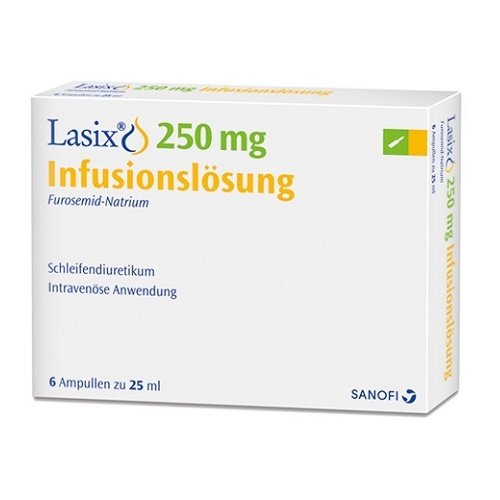
“My Shoes Don’t Fit by Noon”—The Lasix Moment Every Patient Knows
It rarely starts with a prescription. More often, it starts with a pair of socks leaving deep marks around your ankles, or the slow, heavy realization that rings and shoes don’t fit the way they did yesterday. For people living with edema—whether from heart failure, liver disease, or kidney problems—Lasix is the word that arrives when the swelling won’t go away on its own.
You don’t search for Lasix out of curiosity. You search because you’ve reached the point where choices feel limited, and the promise of real relief matters more than ever. But with that promise comes new questions: Will it work for you? Will it be safe? Will it simply trade swelling for new worries?
- “How fast will I notice a difference?”
- “Is Lasix the only way to get rid of this fluid?”
- “What does daily life actually look like on this medication?”
The answers aren’t just about what’s in a textbook. They’re about what happens—in practice, in the United States, with your health, finances, and daily routine—when Lasix becomes part of your story.
How Lasix Works—and Why Its Speed Can Be a Mixed Blessing
Lasix acts fast. Most people notice a sharp increase in urination within an hour of taking a dose. For many, this is a relief: the swelling in their legs begins to soften, their breathing improves, and that uncomfortable tightness fades. But Lasix’s power is a double-edged sword. What it pulls from your swollen tissues, it can also pull from the rest of you—especially the potassium, sodium, and fluid your body needs to function.
- Edema
- Swelling caused by excess fluid trapped in the body’s tissues—often showing up in the feet, legs, hands, or abdomen.
- Furosemide
- The active ingredient in Lasix—a “loop diuretic” that tells your kidneys to release sodium and water into the urine, pulling fluid out of the blood and tissues.
The mechanism is straightforward: Lasix targets a specific part of your kidneys’ filtration system (the loop of Henle), forcing them to excrete more salt and water. This rapid loss helps with swelling, but also means you’re at risk for sudden drops in blood pressure, muscle cramps, dizziness, or—in rare cases—dangerous changes in heart rhythm from low potassium.
Clinical Tip: Most patients feel the urge to urinate within 30–60 minutes. Plan your dose when you’ll have easy bathroom access.
Every person’s response is different. Some see a dramatic change after one pill; others need careful dose adjustments to balance benefit with side effects. And, while Lasix is powerful, its rapid action raises a unique set of daily-life challenges—especially when it comes to staying hydrated, keeping your potassium in range, and managing other medications.
Lasix vs. Other Edema Medications: What Sets It Apart?
For many patients, Lasix is the first “strong” diuretic they’re prescribed. But in the landscape of edema treatments in the United States, it’s not the only option—nor always the best for every situation.
| Medication | Main Use | How Fast? | How Long Does It Last? | Key Risks | Prescription Needed? | Special Notes |
|---|---|---|---|---|---|---|
| Lasix (Furosemide) | Quick relief of swelling from heart, liver, or kidney issues | 30–60 min onset | 6–8 hours | Low potassium, dehydration, low blood pressure | Yes | Most powerful; can require close monitoring |
| Hydrochlorothiazide (HCTZ) | Mild-moderate fluid retention, high blood pressure | 2 hours onset | 12–18 hours | Low potassium, high calcium, higher blood sugar | Yes | Less potent; better for long-term, mild cases |
| Spironolactone | Edema from liver disease, heart failure; resistant cases | Several days onset | 2–3 days | High potassium, breast tenderness | Yes | Potassium-sparing; often combined with Lasix |
Lasix stands out for speed and power. In emergencies or when swelling is severe, doctors reach for it to deliver fast results—especially when other, milder diuretics won’t touch the fluid. But that power means more frequent bloodwork, more careful dose changes, and a greater risk of side effects if not watched closely. For mild edema, or for long-term management, alternatives like hydrochlorothiazide or spironolactone may offer a gentler approach—though they work more slowly and may not be strong enough for everyone.
Taking Lasix in Real Life: Timing, Dosing, and What No One Tells You
For all the clinical talk about “dosing schedules” and “fluid balance,” the reality of Lasix is much more day-to-day. Timing is everything. Take it too late in the day, and you might be up all night with bathroom trips. Take it too early, and you risk running dry before dinner. Most patients in the United States are started on a morning dose, with adjustments based on how their body responds—and sometimes, a second dose in the afternoon when needed.
- Usual Starting Dose (Adults)
- 20–40 mg by mouth once daily, increased as needed based on your response and bloodwork.
- Monitoring
- Regular checks of blood pressure, kidney function, and electrolytes (especially potassium and sodium).
For those with kidney impairment or in older age, dosing adjustments are standard. Furosemide’s effect varies with your unique health profile—meaning two patients with identical swelling may need completely different amounts for the same result. The only way to know is careful titration, guided by your doctor and regular lab results.
Practical Tip: Always note the time you take your dose and the time you first need to urinate. This helps your doctor fine-tune your regimen.
What no one tells you: people often feel thirsty on Lasix, but overcompensating with fluids can blunt its effect. The art is maintaining enough hydration for health, but not so much that you undo the medication’s benefit. For some, this means working with a dietitian or nurse to track fluid intake and salt.
Which Side Effects Matter Most with Lasix—and When to Act
Every medication carries risks, but Lasix’s side effects aren’t just a list—they’re a set of signals your body is sending. Most are mild, like more frequent urination, but some are warnings your body is losing more than just fluid. Dizziness when you stand up? Could be low blood pressure. Muscle cramps and weakness? You might be running low on potassium or magnesium.
- Dry mouth and thirst—common, especially in the first week
- Headache or confusion—can signal sodium depletion
- Irregular heartbeats—rare, but may point to dangerous electrolyte shifts
- Easier bruising or unusual bleeding—seek medical advice
Most patients experience at least one side effect, but few experience the most serious ones. What matters isn’t memorizing the whole list—it’s knowing which symptoms mean “call your doctor now” versus “mention it at your next visit.”
Lasix Safety: The Risks You Need to Watch For
| Side Effect | How Often | When to Call Your Doctor |
|---|---|---|
| Dizziness, lightheadedness | Common | If you faint, fall, or can’t stand up safely |
| Muscle cramps or weakness | Occasional | If severe, lasting, or affecting daily activities |
| Irregular heartbeat | Rare | Immediately—may signal electrolyte emergency |
| Excessive thirst, confusion | Uncommon | Promptly—may indicate sodium imbalance |
| Ring or hearing problems | Rare (high doses) | Promptly if new or worsening |
| Skin rash, hives | Rare | Immediately—could be allergic reaction |
Keep this table handy. If you’re ever unsure whether a symptom is part of the medication or a true warning sign, call your healthcare provider. Many side effects can be managed by adjusting your dose or checking your bloodwork—but ignoring them isn’t worth the risk.
When Lasix Isn’t the Right Answer—And What to Do Instead
These situations are rare, but they matter more than any other warning. For most patients in the United States, Lasix is safe when prescribed and monitored. But there are several “yellow light” situations where you should discuss risks and alternatives with your doctor:
- Severe kidney disease—Lasix may not work, or might worsen kidney function if not monitored closely
- Severe dehydration or electrolyte disturbances—Starting Lasix can make things worse
- Pregnancy or breastfeeding—Use only if benefits outweigh risks, under specialist guidance
- Liver disease with mental changes (hepatic encephalopathy)—May worsen confusion or risk of buildup of toxins
- Taking certain antibiotics (aminoglycosides)—Risk of hearing damage increases, especially at high Lasix doses
Practical Advice: If you have a known sulfa allergy, tell your doctor—even though the risk of cross-reactivity with Lasix is low, it’s not zero.
If Lasix isn’t an option, alternatives exist—spironolactone, eplerenone, or even non-drug interventions like compression stockings or dietary changes. But each comes with its own set of pros and cons, and the right choice depends on your individual health profile.
Getting Lasix in the United States: Prescription, Cost, and Pharmacy Realities
Lasix is not available over the counter in the United States. You’ll need a prescription from a licensed healthcare provider—usually after confirming the diagnosis of edema and ruling out reversible causes. Most pharmacies carry both the brand-name Lasix and generic furosemide, and in nearly all cases, insurance plans and Medicare Part D cover the generic form as first-line.
- Generic furosemide—widely available, typically lowest cost
- Brand Lasix—more expensive, rarely required for clinical reasons
- Bulk and 90-day supply—can further reduce out-of-pocket costs
Typical cash prices for generic furosemide are often under $20 for a month’s supply, though pharmacy discount programs and insurance can make it even lower. Prior authorization is rarely needed unless your insurer has specific formulary restrictions. For those with high-deductible plans or no insurance, ask your pharmacist about in-store discounts or manufacturer coupons—they can often reduce the price substantially.
Online pharmacy options exist, but stick to recognized, U.S.-licensed mail-order services—avoid international or unregulated sources, as counterfeit and substandard drugs remain a concern. If you run into trouble accessing Lasix due to shortages or insurance denials, a pharmacist or your prescriber can often recommend therapeutic alternatives or help with prior authorizations.
Lasix & Edema: Real Patient Questions, Straight Answers
How quickly should I expect Lasix to reduce my swelling?
Most patients notice increased urination within an hour, and some reduction in swelling by the end of the day. However, visible improvement in leg or ankle swelling can take a few days, especially if the underlying cause is ongoing. Your doctor will adjust your dose based on how quickly your body responds and your lab results.
Does Lasix interact with other medications I might be taking?
Yes—Lasix can interact with blood pressure medicines, some heart rhythm drugs, certain antibiotics (such as aminoglycosides), NSAIDs, and lithium. Always provide your doctor and pharmacist with a complete medication list to avoid dangerous interactions. Some interactions can increase risk of kidney problems or alter electrolyte levels.
Can I take Lasix if I have kidney disease?
In many cases, yes—but dosing must be adjusted and close monitoring is essential. For advanced kidney failure, Lasix may not work effectively, and your doctor may suggest other approaches or higher doses with careful supervision. Never change your dose without medical advice.
What should I do if I miss a dose of Lasix?
If you remember within a few hours and still have time before bed (to avoid nighttime urination), take it as soon as possible. If it’s nearly time for your next dose, skip the missed one—do not double up. Missing one dose rarely causes harm, but contact your doctor if you notice a return of swelling.
Are there foods or drinks I should avoid while on Lasix?
Foods high in sodium (salt) can counteract Lasix’s effects, while potassium-rich foods (like bananas, oranges, potatoes) may help maintain healthy electrolyte levels if your doctor recommends it. Avoid excessive alcohol, which can worsen dehydration, and discuss any plans to start supplements with your provider.
Is it safe to use Lasix long-term?
Many patients use Lasix for months or years, especially if they have chronic heart, liver, or kidney conditions. Long-term use requires regular lab checks and monitoring for side effects. Your healthcare team will periodically re-evaluate whether Lasix is still the best option for you as your condition evolves.
Can Lasix cause hearing problems?
Rarely, especially at very high doses given rapidly by IV in hospital settings. Oral Lasix at normal doses almost never causes hearing loss, but let your doctor know if you notice ringing in your ears or any hearing changes. This risk is higher when Lasix is combined with certain antibiotics or kidney problems are present.
Will I need blood tests while taking Lasix?
Yes—regular monitoring of kidney function, electrolytes (potassium, sodium, magnesium), and sometimes blood counts is standard practice. Testing frequency depends on your other health issues, medications, and how stable your response is. Bloodwork helps your doctor keep Lasix both effective and safe for you.
Sources & References
- U.S. Food and Drug Administration (FDA)
- American College of Cardiology: Heart Failure Guidelines
- Mayo Clinic: Furosemide (Oral Route)
- National Kidney Foundation: Edema and Diuretics
- Lasix Prescribing Information, Manufacturer’s Official U.S. Label, 2023
- PubMed
- 2022 AHA/ACC Guideline for the Management of Heart Failure, American Heart Association / American College of Cardiology
- Centers for Disease Control and Prevention (CDC)