
Buy Clomid Without Prescription in the United States Online
- Home/
- Buy Clomid Without Prescription in the United States Online
Can Clomid (Clomiphene) Be Obtained Without a Prescription in the United States?
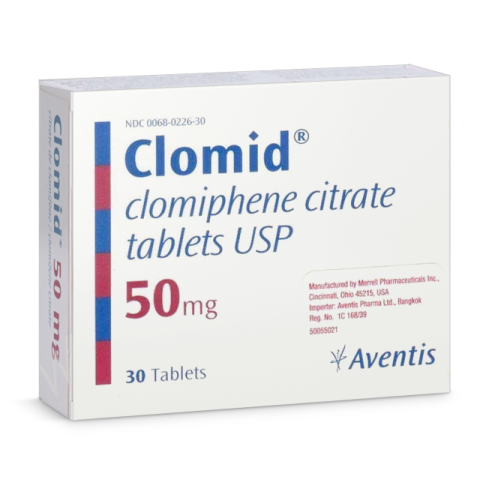
Clomid (clomiphene citrate) is a prescription-only medication in the United States. It cannot be legally obtained without a valid prescription from a licensed healthcare provider. Over-the-counter sales and non-prescribed online purchases are not permitted and may be unsafe.
Key Takeaways: What You Need to Know About Clomid in the United States
- Clomid is most suitable for women experiencing ovulatory infertility, especially in conditions like polycystic ovary syndrome (PCOS).
- Results can typically be expected within the first few cycles of therapy, but individual response varies.
- A prescription from a licensed healthcare provider is mandatory in the U.S.; self-medication is not safe or legal.
- The most important safety consideration is the risk of ovarian hyperstimulation and multiple pregnancies.
- Medical advice is required before, during, and after Clomid therapy to minimize risks and optimize success.
- Clomid addresses ovulatory dysfunction but does not treat all causes of infertility; further evaluation may be needed if pregnancy is not achieved.
How Does Clomid Work to Treat Female Infertility?
Clomid (clomiphene citrate) is a selective estrogen receptor modulator (SERM) that stimulates ovulation in women with certain types of infertility. Clomid acts primarily by binding to estrogen receptors in the hypothalamus—a key regulatory brain region for fertility. By doing so, it blocks the body’s negative feedback response to circulating estrogen, tricking the hypothalamus into perceiving low estrogen levels.
This blockade promotes increased secretion of gonadotropin-releasing hormone (GnRH), which in turn signals the pituitary gland to release more follicle-stimulating hormone (FSH) and luteinizing hormone (LH). These hormones drive the ovaries to stimulate the growth and maturation of ovarian follicles, eventually leading to ovulation (release of a mature egg).
In simpler terms, Clomid “wakes up” the body’s reproductive system by making it think there isn’t enough estrogen, thereby prompting the ovaries to produce eggs. However, Clomid’s efficacy depends on the presence of a functional hypothalamic-pituitary-ovarian axis; it will not work in women with primary ovarian failure or certain hypothalamic or pituitary disorders (FDA, Mayo Clinic).
Myth vs Reality:
Myth: “Clomid will make anyone ovulate.”
Reality: Clomid is only effective in women whose infertility is due to ovulatory dysfunction with intact ovarian reserve and pituitary function.
Why Many Patients Overestimate Clomid’s Speed and Success Rate
As a reproductive endocrinologist, I often see patients expect immediate results after starting Clomid. Many believe that a single cycle guarantees pregnancy, sometimes influenced by stories they’ve heard online or from friends. In reality, while Clomid can induce ovulation in the majority of appropriately selected women, conception rates per cycle are significantly lower than ovulation rates—typically around 15–25% for each cycle. It’s also common for patients to focus only on the goal of pregnancy, overlooking the need for careful monitoring of ovulation, side effects, and the possibility of multiple gestations. A question patients rarely ask, but should, is how to recognize and manage side effects or when to move on to alternative treatments if Clomid does not yield results after several cycles. Clinical practice often requires us to temper expectations and provide a realistic timeline: success is usually measured over several cycles, and ongoing assessment is vital to ensure safety and optimize outcomes.
How Should Clomid Be Taken? Detailed Dosage Instructions
Standard Starting Dose: The initial recommended dose is 50 mg by mouth once daily for 5 days, usually starting on day 3, 4, or 5 of the menstrual cycle (FDA). If ovulation does not occur, the dose may be increased in subsequent cycles to a maximum of 100 mg once daily for 5 days. The maximum total daily dose should never exceed 100 mg. Clomid should be taken at the same time each day during the cycle.
- For women with irregular cycles, timing may be adjusted based on physician guidance.
- Do not split or crush tablets unless specifically instructed by your pharmacist, as not all formulations are scored or designed for splitting.
- Maximum number of cycles: Current guidelines recommend limiting Clomid therapy to six cycles due to diminishing returns and increased risks.
- No dose adjustment is generally recommended solely based on age. However, patients with liver impairment should not use Clomid; dose adjustment is not recommended for renal impairment, but careful monitoring is needed.
- Missed dose: If a dose is missed, it should be taken as soon as remembered that day; do not double up.
Peak Effect Timing: Ovulation typically occurs 5–10 days after the last dose. If no ovulation is detected, consult your healthcare provider before starting another cycle.
Important: Never self-adjust the dose or duration. Overuse increases risks of ovarian hyperstimulation and other complications.
How Do Food, Alcohol, and Lifestyle Affect Clomid Therapy?
- Food: Clomid may be taken with or without food. There is no clinically significant effect of food on absorption or efficacy, but taking with food may reduce gastrointestinal side effects for some users.
- Alcohol: There is no absolute contraindication, but moderate-to-heavy alcohol use is not advised while on Clomid. Alcohol can interfere with fertility, increase the risk of side effects (such as dizziness), and may worsen existing liver conditions (Mayo Clinic).
- Grapefruit Juice: No significant interaction with grapefruit juice is reported for Clomid. However, as with many medications, err on the side of caution if you are taking other drugs that may be affected.
- Fatty Meals: Unlike some medications, high-fat meals do not meaningfully delay or reduce Clomid’s effectiveness.
- Smoking: Smoking can negatively impact fertility and is not recommended during fertility treatment.
Myth vs Reality:
Myth: “A glass of wine won’t affect fertility treatment.”
Reality: Even moderate alcohol intake may decrease fertility and can compound medication side effects.
Who Should Not Take Clomid? Absolute and Relative Contraindications
- Absolute Contraindications
-
- Liver disease (active or history of significant impairment) — Clomid is metabolized in the liver; dysfunction increases risk of toxicity.
- Ovarian cysts not due to polycystic ovary syndrome — Use can worsen cysts or cause rupture.
- Unexplained abnormal uterine bleeding — May mask or worsen underlying malignancy.
- Pituitary or hypothalamic dysfunction (excluding functional hypothalamic amenorrhea).
- Primary ovarian failure — Ineffective due to lack of ovarian response.
- Pregnancy — Not to be used; Clomid is contraindicated during pregnancy (Category X).
- Known allergy or hypersensitivity to clomiphene or any tablet components.
- Relative Contraindications
-
- Severe visual disturbances (risk of worsening or irreversibility).
- Existing risk factors for thromboembolism (clotting events).
- Polycystic ovary syndrome with enlarged ovaries (higher risk for hyperstimulation).
- Obesity and metabolic syndrome (requires close monitoring due to additional fertility risks).
- After Serious Illness
-
- Following major surgery, stroke, or significant cardiovascular events, use only under specialist supervision.
Why these restrictions? Clomid’s estrogenic/antiestrogenic effects can worsen certain conditions, mask underlying disease, or cause serious complications if used improperly.
What Side Effects Are Most Common with Clomid?
- Very Common (>1 in 10 users):
-
- Hot flashes (due to estrogen receptor modulation).
- Abdominal discomfort, bloating, or pelvic pain (ovarian stimulation).
- Breast tenderness.
- Common (1 in 100 to 1 in 10):
-
- Nausea, vomiting.
- Headache.
- Mood swings or irritability.
- Visual disturbances (blurred vision, spots) — typically transient but must be reported immediately.
- Multiple pregnancy (twins occur in up to 8% of pregnancies with Clomid).
- Rare (<1 in 1000):
-
- Ovarian hyperstimulation syndrome (OHSS) — can be life-threatening.
- Severe visual changes (risk of permanence if therapy continued).
- Allergic reactions (rash, swelling).
- Very Rare (<1 in 10,000):
-
- Thromboembolism (blood clots).
- Liver dysfunction (jaundice, abnormal liver function tests).
- Severe allergic reactions (anaphylaxis).
- If side effects occur: Mild symptoms (flushing, breast tenderness) can be self-monitored. Any visual changes, severe pain, respiratory symptoms, or signs of OHSS require immediate medical attention.
- Discontinue Clomid and contact your doctor if you experience severe vision changes, persistent abdominal pain, or shortness of breath.
Patient Pitfalls: Common Clomid Use Mistakes and How to Avoid Them
- Starting Clomid Without Adequate Evaluation: Skipping baseline fertility testing or ultrasound can miss underlying causes and increase risks (such as undetected ovarian cysts). Always undergo full evaluation before the first dose.
- Improper Timing of Doses: Not following the prescribed day of cycle or missing doses can reduce effectiveness. Use alarms or reminders to maintain correct timing.
- Taking More Than the Recommended Dose: Believing that higher doses will increase the chance of pregnancy can be dangerous and heighten side effect risk, particularly for ovarian hyperstimulation.
- Stopping Treatment After One Cycle: It may take several cycles to achieve ovulation or conception. Patience and adherence to your prescribed plan are important.
- Not Attending Follow-Up Appointments: Skipping ultrasounds or bloodwork can miss complications or unsuccessful ovulation, delaying progress and increasing risk.
- Ignoring Side Effects: Dismissing visual changes, severe pain, or swelling can be harmful. Always report new or worsening symptoms promptly.
- Self-Medicating or Reusing Old Prescriptions Without Supervision: This can result in use for inappropriate indications or during undiagnosed pregnancy, which is unsafe.
How Does Clomid Compare to Other Female Infertility Treatments?
| Medication | Typical Use | Onset Speed | Common Side Effects | Pregnancy Rate per Cycle | Cost per Cycle (USD) | Notes |
|---|---|---|---|---|---|---|
| Clomid (Clomiphene) | First-line ovulation induction in anovulatory infertility (esp. PCOS) | Ovulation usually within 7–10 days | Hot flashes, mood swings, ovarian cysts, multiple gestation | 15–25% | $30–$75 | Requires prescription and monitoring |
| Letrozole | Alternative ovulation induction (esp. PCOS or Clomid resistance) | Ovulation within 7–10 days | Fatigue, dizziness, headaches | 15–27% | $50–$120 | Often preferred for PCOS, lower risk of multiples |
| Injectable Gonadotropins (FSH/LH) | Second/third-line or for assisted reproduction | Ovulation within 7–12 days | OHSS, multiple gestation, injection site reactions | 15–25% | $1,200–$4,000 | Requires specialist care, higher monitoring, higher risk |
- Clomid remains the most cost-effective and widely used oral ovulation induction drug in the U.S., but letrozole may be preferred in some cases.
- Gonadotropin therapy is reserved for cases where oral agents are ineffective, but comes with higher risks and costs.
Clomid Technical and Product Information (Table)
| Active Ingredient | Clomiphene citrate |
| Available Strengths | 50 mg (most common); some generics: 25 mg, 100 mg |
| Formulation | Oral tablet |
| Standard Regimen | 50 mg daily for 5 days/cycle (may increase to 100 mg) |
| Max Duration of Use | Up to 6 cycles |
| Storage | Room temperature (68–77°F); protect from light and moisture |
| Manufacturer/Brand Names | Original: Clomid (Sanofi/Sanofi-Aventis); Generics widely available |
| DEA Schedule | Not a controlled substance |
| Prescription Status U.S. | Prescription required |
Clomid Compatibility with Other Drugs and Foods: At-a-Glance Checklist
| Product/Drug | Can Be Combined? | Consequence/Notes |
|---|---|---|
| Metformin | Yes | No significant interaction; often co-prescribed for PCOS |
| Alcohol | Not recommended | May worsen side effects, decrease fertility |
| Grapefruit juice | Permitted | No known significant interaction |
| Hormonal contraception | No | Will negate ovulation induction effect |
| St. John’s Wort | Use caution | Possible decreased effectiveness due to hepatic enzyme induction |
| Anticoagulants (e.g., warfarin) | Caution | May alter bleeding risk; monitor with your doctor |
Clomid Pharmacokinetics Explained Simply
- Absorption: Clomid is well absorbed orally; peak plasma concentrations occur within 5–7 hours.
- Metabolism: Primarily metabolized by the liver to active and inactive metabolites; hepatic impairment increases risk of toxicity.
- Elimination: Excreted in feces (major route) and urine (minor route).
- Half-life (T1/2): Ranges from 5 to 7 days, but due to slow elimination, metabolites may persist for several weeks.
- Clinical impact: Prolonged tissue retention means effects may last beyond the dosing cycle; careful monitoring is needed before starting additional courses.
Key point: Because Clomid and its metabolites can remain in the body for weeks, do not start a new cycle without physician approval.
Special Considerations: Clomid in Specific Patient Populations
- Liver Disease: Contraindicated; do not use.
- Renal Impairment: No specific dose adjustment, but use caution and monitor closely.
- Older Women (>40 years): Lower pregnancy rates; higher risk for side effects. Discuss alternatives with a fertility specialist.
- Obesity/Metabolic Syndrome: Response to Clomid may be reduced; combination therapy (e.g., with metformin) may be considered.
- PCOS: Clomid is a first-line option, but letrozole may sometimes be more effective.
- Diabetes: No direct interaction, but glucose control is critical for fertility.
- Ability to Drive or Operate Machinery: Clomid may cause dizziness or visual disturbances; caution is advised until you know how it affects you.
- Pregnancy and Breastfeeding: Contraindicated during pregnancy; not recommended while breastfeeding due to unknown effects on milk and infant.
- Men: While off-label for male infertility, clinical efficacy is less clear and should only be used if recommended by a urologist or endocrinologist.
Step-by-Step Guide: How to Obtain Clomid Legally in the United States
- Step 1: Schedule an Appointment with a Healthcare Provider. Choose a board-certified OB/GYN, reproductive endocrinologist, or qualified primary care physician. Telehealth services may be available for initial consultations in some states.
- Step 2: Undergo Fertility Assessment. This typically includes a full medical history, pelvic ultrasound, hormonal blood tests, and sometimes tubal patency evaluation.
- Step 3: Receive a Diagnosis and Discussion of Treatment Options. If you have ovulatory dysfunction and no contraindications, your physician may recommend Clomid.
- Step 4: Obtain a Prescription. Prescriptions may be sent directly to your chosen pharmacy (in-person or online) or provided as a printed document.
- Step 5: Fill Your Prescription at a Licensed Pharmacy. Use a state-licensed brick-and-mortar or verified online pharmacy with pharmacist counseling available.
- Step 6: Begin Therapy and Attend Follow-Up Appointments. You may require ultrasound monitoring and/or blood tests to assess ovulation and detect side effects.
- Step 7: Continue or Adjust Therapy as Directed. Therapy should not exceed 6 cycles without re-evaluation.
How to Choose a Legitimate Online Pharmacy for Clomid in the U.S.
- Look for Pharmacy Accreditation: Only use online pharmacies certified by the National Association of Boards of Pharmacy (NABP) and carrying the VIPPS (Verified Internet Pharmacy Practice Sites) seal. Check at https://nabp.pharmacy.
- Require a Prescription: Legitimate pharmacies will only dispense Clomid with a prescription from a U.S.-licensed provider.
- Beware of Red Flags: Avoid sites that sell Clomid without a prescription, have no physical address/contact information, or offer prices far below typical U.S. pharmacy rates.
- Check for Regulatory Oversight: The FDA maintains a list of warning letters to fraudulent sellers and provides tips at FDA Internet Pharmacy Safety.
- Consumer Protection: U.S. pharmacies are required to provide medication counseling and privacy protection. Unregulated online sources may sell counterfeit, contaminated, or unsafe products.
How to Spot Counterfeit Clomid and Understand Generics
Authentic Clomid: Brand-name Clomid is manufactured under strict FDA guidelines. Packaging typically includes high-quality printing, embossed or engraved tablets, and batch/lot numbers. U.S. generics must meet the same active ingredient, strength, and bioequivalence standards.
- Generics: Clomiphene citrate generics are widely available in the U.S. (Teva, Barr, and others). Generics may differ in shape, color, or excipients (inactive ingredients), but must perform equivalently in clinical trials.
- Counterfeit warning signs: Misspelled labels, flimsy packaging, lack of lot numbers or manufacturer info, and prices significantly below market rates.
- Risk of grey-market imports: Medications shipped from outside the U.S. are not FDA-regulated and may be unsafe or ineffective.
Myth vs Reality:
Myth: “Generics are less effective than brand-name drugs.”
Reality: FDA-approved generics are required to demonstrate bioequivalence and safety comparable to the original product.
Clomid Quality Assurance: What Should Authentic Medication Look Like?
- Tablet appearance: Brand-name Clomid is typically a white, round or oval tablet, often scored with “CLOMID,” “Clomiphene,” or manufacturer initials engraved on one or both sides (varies by manufacturer and strength).
- Packaging: Factory-sealed blister packs or bottles, clearly labeled with dosage, manufacturer, National Drug Code (NDC), and lot number.
- Verification features: Some manufacturers include QR codes, holograms, or tamper-evident seals. U.S. pharmacies will always supply medication in official FDA-approved containers.
- Check with your pharmacist: If unsure about the appearance, verify with your dispensing pharmacy before taking the medication.
What to Do in Case of Clomid Overdose: Emergency Steps
- Stop taking Clomid immediately.
- Call 911 or your local emergency services without delay.
- Inform the emergency personnel about the exact dose and time of ingestion.
- Do not attempt to induce vomiting unless instructed by a healthcare professional.
- Bring the medication container and any remaining tablets to the emergency room.
- Monitor for symptoms such as severe vomiting, vision loss, abdominal pain, or difficulty breathing.
Why Psychological Support Matters in Infertility Treatment
Infertility is a common and emotionally challenging condition for many individuals and couples. You are not alone—support from partners, family, or mental health professionals can make a significant difference in coping with stress and optimizing treatment outcomes. Don’t hesitate to discuss your feelings with your provider as part of an integrated care approach.
Questions Patients Commonly Ask Doctors About Clomid Therapy
- How quickly should I expect to ovulate after starting Clomid?
- Most women will ovulate between 5–10 days after finishing their last Clomid dose each cycle. If ovulation does not occur within this window, your doctor may adjust the dose or consider alternative therapies.
- What signs indicate that Clomid is working for me?
- Key indicators are a positive ovulation predictor kit, a mid-cycle rise in basal body temperature, or ultrasound evidence of follicle development. Confirmation is best made through bloodwork and ultrasound during office follow-up.
- If I do not conceive after several cycles, what happens next?
- If pregnancy does not occur after 3–6 cycles, it is important to reassess the underlying cause of infertility, confirm ovulation, and consider additional treatment options such as letrozole, gonadotropins, or assisted reproductive technologies.
- Can Clomid increase my risk of having twins or triplets?
- Yes, Clomid increases the risk of multiple pregnancy (mainly twins, rarely higher-order multiples). The risk of twins is approximately 8%; your doctor will monitor follicle development to minimize this risk.
- How do you monitor my safety while I am on Clomid?
- Your physician will likely order periodic ultrasounds to check for ovarian response, blood hormone levels to confirm ovulation, and regular follow-up visits to monitor for side effects or complications such as ovarian hyperstimulation.
- Are there fertility benefits to combining Clomid with other treatments?
- In some cases—especially with polycystic ovary syndrome (PCOS)—Clomid may be combined with metformin for better results. Individualized care is essential; always discuss combination regimens with your provider.
- Will Clomid affect my periods or menstrual cycle?
- Clomid can make cycles more regular in women with ovulatory dysfunction, but may cause changes in menstrual flow, timing, or symptoms. Light or absent periods may signal lack of ovulation or require further evaluation.
doctor’s Clinical Assessment: When Clomid Is Appropriate, and When It’s Not
In my clinical practice, Clomid remains an effective first-line treatment for women with ovulatory dysfunction and preserved ovarian reserve, especially for those with polycystic ovary syndrome who have no other complicating factors. It is most beneficial for patients seeking oral therapy with regular monitoring and minimal invasiveness. However, it is not appropriate for women with primary ovarian insufficiency, significant liver disease, or anatomical abnormalities of the reproductive tract. For older women or those with multiple failed cycles, alternatives such as letrozole or gonadotropin therapy may be more effective, though cost and risk are higher. Patients with risk factors for thromboembolism or severe visual disturbances require careful risk-benefit analysis. Ultimately, ongoing monitoring and willingness to reassess treatment are essential; Clomid is not a one-size-fits-all solution, and individualization of therapy ensures both safety and the highest chance of success.
Frequently Asked Questions About Clomid in the United States
- Is Clomid available without a prescription in the U.S.?
- No. Clomid is a prescription-only medication in the United States and cannot be legally obtained without a doctor’s prescription.
- How much does Clomid cost per cycle?
- Generic clomiphene citrate typically costs $30–$75 per cycle, depending on the pharmacy, region, and insurance coverage. Brand-name Clomid may be higher.
- What is the success rate of Clomid for infertility?
- Clomid induces ovulation in approximately 70–85% of appropriately selected women. Pregnancy rates per cycle are about 15–25%.
- How long can I safely use Clomid?
- Clomid is typically used for up to six cycles. Prolonged use beyond this increases risks without improving pregnancy chances and is not recommended.
- What are the main side effects of Clomid?
- Common side effects include hot flashes, bloating, breast tenderness, mood swings, headache, and, less commonly, vision changes or ovarian hyperstimulation. Always report severe or persistent symptoms to your doctor.
- Does Clomid increase the chances of twins or multiples?
- Yes. The risk of twins is about 8% per pregnancy with Clomid, compared to 1–2% naturally. Higher-order multiples are rare but possible.
- Can men use Clomid for infertility?
- Clomid may be prescribed off-label for certain types of male infertility, but evidence is mixed, and it should only be used under specialist supervision.
- Does insurance cover Clomid therapy?
- Many insurance plans cover Clomid if prescribed for infertility, but coverage varies by state and plan. Check with your provider for specifics.
- Can I purchase Clomid from online pharmacies?
- Yes, but only from state-licensed U.S. pharmacies that require a prescription. Avoid websites offering Clomid without a prescription, as these may be unsafe or illegal.
- Is it safe to import Clomid from abroad?
- No. Importing Clomid from outside the United States is illegal and poses significant safety risks due to counterfeit products and lack of FDA oversight.
References
- U.S. Food and Drug Administration (FDA). “Clomiphene Citrate – Drug Information.” Accessed June 2026. https://www.fda.gov/
- Mayo Clinic. “Clomiphene (Oral Route) – Description and Brand Names.” Accessed June 2026. https://www.mayoclinic.org/
- American Society for Reproductive Medicine (ASRM). “Practice Committee Opinion: Use of Clomiphene Citrate in Ovulation Induction.” 2024. https://www.asrm.org/
- National Institutes of Health, MedlinePlus. “Clomiphene.” Accessed June 2026. https://medlineplus.gov/
- Centers for Disease Control and Prevention (CDC). “Assisted Reproductive Technology Success Rates.” 2025. https://www.cdc.gov/
- PubMed. “Recent clinical trials on clomiphene citrate for female infertility.” Accessed June 2026. https://pubmed.ncbi.nlm.nih.gov/
- National Association of Boards of Pharmacy (NABP). “Verified Pharmacy Program.” Accessed June 2026. https://nabp.pharmacy/