
Buy Priligy Without Prescription in the United States Online
- Home/
- Buy Priligy Without Prescription in the United States Online
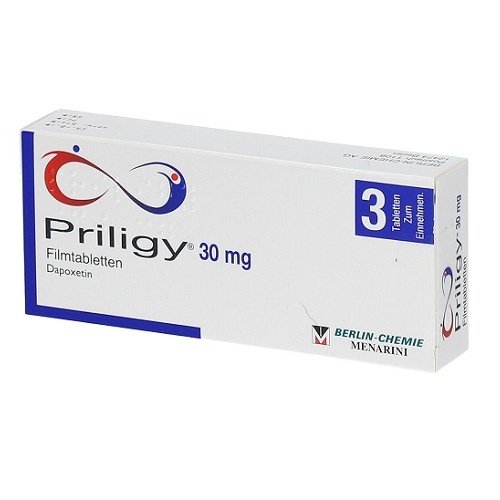
Can Priligy (Dapoxetine) Be Obtained Without a Prescription in the United States?
No, Priligy (dapoxetine) is not FDA-approved for sale in the United States and cannot be legally obtained from U.S. pharmacies, with or without a prescription. Importing or purchasing dapoxetine online from overseas carries significant legal, safety, and health risks.
Key Takeaways About Priligy (Dapoxetine) for Patients in the United States
- Priligy (dapoxetine) is not FDA-approved for treating premature ejaculation or any other condition in the United States.
- Legal access is restricted: U.S. healthcare providers cannot prescribe or dispense Priligy through licensed pharmacies; purchasing online from unregulated sellers is risky and may be illegal.
- Trusted clinical alternatives are available in the U.S., including off-label use of selective serotonin reuptake inhibitors (SSRIs) and behavioral therapy.
- Most important safety concern: Unregulated dapoxetine products may be counterfeit, contaminated, or mislabeled, leading to unpredictable side effects or drug interactions.
- Consult a qualified specialist (typically a urologist or sexual medicine physician) for evidence-based evaluation and treatment options for premature ejaculation.
- If you experience rapid ejaculation and distress, seek professional evaluation to discuss both medical and psychological strategies tailored to your needs.
What Is Priligy (Dapoxetine) and Who Is It Intended For?
Priligy is the trade name for dapoxetine, a short-acting selective serotonin reuptake inhibitor (SSRI) developed for the treatment of premature ejaculation (PE) in adult men. It is designed to be taken “on demand” before sexual activity, as opposed to the daily regimen of conventional SSRIs. Priligy has received approval in several countries, primarily in Europe and parts of Asia, but is not approved by the Food and Drug Administration (FDA) for use in the United States as of 2026.
Dapoxetine is prescribed for men diagnosed with premature ejaculation based on well-defined clinical criteria—typically, ejaculation occurring within one to two minutes of penetration and causing significant psychological distress or interpersonal difficulty. It is not suitable for men who lack these clinical features or who have underlying health conditions that make SSRI use unsafe.
How Does Priligy Work to Delay Ejaculation?
Pharmacological Mechanism: Dapoxetine is a short-acting selective serotonin reuptake inhibitor (SSRI). It works by transiently increasing serotonin levels in synaptic clefts in the central nervous system, particularly in brain regions that modulate the ejaculatory reflex. By inhibiting the serotonin reuptake transporter (SERT), dapoxetine enhances serotonergic neurotransmission, which in turn increases the latency to ejaculation.
To simplify, you can imagine serotonin as a kind of “brake” for sexual reflexes. By boosting serotonin at the right time, Priligy helps to slow down the chain of signals that typically cause ejaculation.
Dapoxetine is unique among SSRIs due to its rapid absorption and clearance; it acts within one to two hours, and its effects mostly dissipate within 24 hours, making it suitable for on-demand use.
When Expectations Don’t Match Real Life: Insights into Dapoxetine Treatment
In my clinical practice, I have noticed that many men expect Priligy or similar medications to “fix” premature ejaculation instantly or to produce results comparable to erectile dysfunction treatments. However, the reality is that dapoxetine’s effect can vary widely between individuals, with some seeing significant benefit and others little to none. Patients often underestimate the role of psychological and relationship factors in premature ejaculation and may neglect complementary approaches like behavioral techniques or counseling. A common pitfall is judging the medication’s effectiveness after just one or two uses, without considering that optimal results may require repeated trials and careful attention to timing and sexual context. I encourage patients to ask about realistic outcomes, the importance of involving their partners, and what to do if side effects occur or if the expected benefit isn’t achieved after several attempts. These are the conversations that often lead to the best long-term results, yet they are rarely raised spontaneously by patients.
How Should Priligy Be Taken? Dosage, Onset, and Duration
- Standard Dosage: The typical starting dose in countries where Priligy is approved is 30 mg, taken 1–3 hours before anticipated sexual activity.
- Maximum Dose: If 30 mg is tolerated but insufficient, the dose may be increased to 60 mg. Never exceed 60 mg in a single day.
- Administration: Swallow tablets whole with a full glass of water. Do not split or crush the tablet.
- When to Take: Only as needed (“on demand”), not daily or more than once in 24 hours.
- Onset of Action: Peak effect occurs within 1–2 hours. Duration of action is typically up to 6 hours.
- Special Populations: Not recommended for individuals over 65 years old due to lack of safety data. Use with great caution, or avoid, in those with significant liver or kidney impairment.
Note: As Priligy is not FDA-approved, this information is based on international guidelines. Always follow your healthcare provider’s instructions.
Can Priligy Be Taken With Food, Alcohol, or Other Substances?
- Food: Priligy can be taken with or without food. High-fat meals may delay absorption but do not significantly reduce effectiveness.
- Alcohol: Combination is not recommended. Alcohol may increase the risk of side effects such as dizziness, fainting, and impaired judgment. These side effects are due to overlapping central nervous system effects, which can compromise safety, particularly with activities requiring alertness.
- Grapefruit Juice: Grapefruit juice is not specifically contraindicated, but as with some other SSRIs, it may theoretically affect drug metabolism and increase blood levels, thereby raising the risk of side effects.
- Other Medications: Always inform your doctor of all drugs and supplements you are taking. Combining with other serotonergic agents or certain antidepressants may increase the risk of serotonin syndrome.
How Is Priligy Metabolized and Eliminated?
Dapoxetine is rapidly absorbed after oral administration, reaching peak plasma concentration in about 1–2 hours. It is primarily metabolized in the liver by cytochrome P450 enzymes (mainly CYP2D6 and CYP3A4), and to a lesser extent in the kidneys. The majority of metabolites are excreted in the urine. Its terminal half-life is short (approximately 19 hours), which is a key reason for its suitability as an on-demand therapy and accounts for its lower risk of long-term side effects compared to chronic SSRIs.
Who Should Not Take Priligy? Absolute and Relative Contraindications
Absolute Contraindications (Never Use):
- Known hypersensitivity to dapoxetine or any excipients.
- Significant heart disease, such as heart failure, conduction abnormalities (e.g., AV block), or history of syncope (fainting) unrelated to Priligy.
- History of mania or severe depression (risk of mood destabilization).
- Severe liver impairment (due to reduced metabolism and increased risk of toxicity).
- Concomitant use of monoamine oxidase inhibitors (MAOIs), thioridazine, or SSRIs/SNRIs (risk of serotonin syndrome).
Relative Contraindications (Use With Caution):
- Mild to moderate liver or kidney impairment—dose adjustment or increased monitoring may be required.
- History of seizures or epilepsy.
- Low blood pressure or predisposition to orthostatic hypotension (risk of fainting, especially after standing).
- Use of medications that significantly affect CYP2D6, CYP3A4, or other serotonin pathways.
- Age over 65 years—limited safety data.
Important: Dapoxetine should not be taken within 14 days of stopping MAOIs or certain other antidepressants. If you have recently recovered from a heart attack, discuss your suitability for any SSRI therapy with your healthcare provider.
What Side Effects Are Most Common With Priligy?
Very Common (>1/10):
- Nausea (up to 20%)—often transient; related to serotonergic effects on the gut.
- Dizziness or light-headedness (up to 10%)—due to effects on blood pressure and central nervous system.
Common (1/100 to 1/10):
- Headache.
- Diarrhea.
- Insomnia.
- Fatigue.
- Blurred vision.
- Increased sweating.
Rare (<1/1,000):
- Fainting (syncope), sometimes due to a sudden drop in blood pressure.
- Abnormal heart rhythms.
- Allergic reactions (rash, swelling, difficulty breathing).
Very Rare (<1/10,000):
- Seizures.
- Serotonin syndrome (when combined with other serotonergic drugs): confusion, agitation, muscle twitching, fever.
If you experience severe dizziness, fainting, chest pain, or signs of an allergic reaction, seek emergency medical attention immediately.
Compatibility of Priligy With Other Common Substances
| Product/Medication | Can it be combined? | Consequences |
|---|---|---|
| Alcohol | Not recommended | Increased risk of dizziness, fainting, impaired judgment |
| SSRIs (e.g., sertraline) | STRICTLY NO | High risk of serotonin syndrome |
| MAOIs | STRICTLY NO | Potentially fatal interactions |
| Aspirin | Yes | No significant interaction |
| Grapefruit juice | Use caution | May increase dapoxetine blood levels |
Avoiding the Most Frequent Pitfalls: Common Mistakes in Dapoxetine Use
- Taking Priligy too close to sexual activity: Some patients take it minutes before, not realizing peak effect requires 1–2 hours.
- Using it more than once per day: Overuse can heighten side effects and risks, especially fainting and serotonin toxicity.
- Mixing with alcohol: Combining with even moderate alcohol increases dizziness and impairs safety.
- Stopping after a single unsuccessful attempt: Some may not experience benefit immediately—clinical studies show several attempts may be needed to judge efficacy.
- Not disclosing all medications: Failing to mention antidepressants or herbal supplements can result in dangerous drug interactions.
- Ignoring warning signs: Persisting with use after experiencing fainting, severe nausea, or rapid heart rate rather than seeking help.
Patients can avoid these mistakes by following their provider’s instructions, reporting side effects early, and maintaining open communication about all substances they are using.
How Does Priligy Compare With Other Treatments for Premature Ejaculation?
Below is a structured comparison of Priligy versus two leading alternatives used for premature ejaculation in the United States.
| Medication | Onset | Duration | Common Side Effects | Price (per dose) | Legal status (U.S.) |
|---|---|---|---|---|---|
| Priligy (dapoxetine) | 1–2 hours | Up to 6 hours | Nausea, dizziness, headache | $8–$20* (if imported, not legal) | Not FDA-approved |
| Sertraline (off-label SSRI) | 2–6 hours (daily dosing) | Up to 24 hours | Drowsiness, sexual dysfunction, GI upset | $0.10–$0.50 (generic) | FDA-approved (off-label use) |
| Clomipramine (off-label TCA) | 1–3 hours | 8–24 hours | Dry mouth, drowsiness, sexual dysfunction | $0.30–$2.00 (generic) | FDA-approved (off-label use) |
*Estimated based on international pricing; not legal or recommended in the United States.
Priligy: Technical Specifications at a Glance
| Active Ingredient | Dapoxetine hydrochloride |
| Available Doses | 30 mg, 60 mg (overseas) |
| Formulation | Oral tablet |
| Storage | Room temperature (68–77°F); protect from moisture |
| Half-life | ~19 hours |
| Packaging | Blister packs (brand and generic) |
Step-by-Step: Navigating the Process of Getting Treatment for Premature Ejaculation in the United States
- Step 1: Schedule a Consultation
Book an appointment with a board-certified urologist, sexual health specialist, or primary care provider with expertise in men’s sexual health (in-person or via a secure telehealth platform). - Step 2: Undergo a Medical Assessment
Your provider will perform a detailed medical and sexual history, screen for contributing medical or psychological conditions, and assess the clinical severity of your symptoms. - Step 3: Discuss Evidence-Based Treatment Options
The physician will explain current FDA-approved therapies, off-label medications, and behavioral or psychological interventions, as well as the risks and benefits of each. Dapoxetine will be discussed as an unapproved international option if relevant. - Step 4: Prescription and Support
If medication is appropriate, your provider will prescribe an FDA-approved or off-label alternative (e.g., sertraline or clomipramine), or refer you for psychological support as needed. - Step 5: Fill Your Prescription
Legitimate U.S. pharmacies will dispense only FDA-approved or off-label prescribed medications. Online pharmacy fulfillment is available through licensed and verified providers. - Step 6: Ongoing Follow-up
Regularly check in with your provider to monitor side effects, effectiveness, and satisfaction with your treatment plan; adjustments may be needed.
Questions Patients Often Ask doctor About Dapoxetine and Premature Ejaculation Treatment
- How do I know if medication will help, or if I should start with counseling?
- A thorough assessment will help determine if your premature ejaculation is primarily physical, psychological, or both. Most patients benefit from a combination of strategies, and your response to medication can guide further therapy choices.
- Will I need to take medication every time I have sex?
- Medications like dapoxetine are designed for “on demand” use, while others (such as daily SSRIs) require regular dosing. The best approach depends on your preferences, frequency of sexual activity, and side effect profile.
- What should I do if I don’t notice improvement after a few doses?
- It may take several attempts to see the full benefit, and some men may not respond as expected. If there’s no consistent improvement, alternative strategies or a different medication should be considered under medical supervision.
- Are there withdrawal effects if I stop using Priligy or other SSRIs?
- Dapoxetine’s short duration means withdrawal is very unlikely, but daily SSRIs may cause discontinuation symptoms. Always consult your provider before stopping any medication.
- Can these medications affect my fertility or long-term sexual health?
- There is no evidence that dapoxetine or other SSRIs used for PE cause infertility, but some may affect libido or sexual satisfaction. Discuss any concerns about family planning with your doctor.
- How is treatment success measured?
- Success is usually defined by a meaningful delay in ejaculation, reduction in distress, and improvement in relationship satisfaction—not just a specific time target.
- Do lifestyle or relationship factors impact medication effectiveness?
- Absolutely. Stress, anxiety, and relationship dynamics can all affect outcomes. Combining medication with behavioral therapy or couples counseling often yields the best results.
Myth vs Reality: Instant Results With Priligy
Myth: Priligy works instantly for all men, regardless of circumstance.
Reality: Individual response varies; sexual context, psychological factors, and timing all influence effectiveness.
Is Priligy Safe for Everyone? Considerations for Special Populations
- Older adults (>65 years): Limited safety data; not generally recommended.
- Patients with liver or kidney impairment: Risk of drug accumulation and toxicity is higher; typically avoided.
- Individuals with cardiovascular disease: Increased risk of syncope and cardiac events—should not be used without strict medical supervision.
- Driving and machinery: Dapoxetine can cause dizziness or fainting. Do not drive or operate machinery if you experience these symptoms.
- Fertility: No evidence of impact on sperm count or fertility with short-term, on-demand use.
Branded Priligy vs Generics: What Should U.S. Patients Know?
Priligy is the original branded product, manufactured by Menarini or Janssen-Cilag (depending on region). Several generic versions of dapoxetine are available internationally, produced by reputable manufacturers. Generics are required to demonstrate bioequivalence to the brand, meaning they deliver the same active drug at the same rate and extent.
Inactive ingredients (excipients) may vary, which can rarely cause allergic reactions. Generics are often less expensive, but patients should only use those from verified sources to avoid counterfeit or substandard products.
In the U.S., neither branded nor generic dapoxetine is legally available or FDA-approved as of 2026.
How Can You Confirm a Priligy Tablet Is Genuine?
- Packaging: Original Priligy comes in sealed blister packs, with the brand name, batch number, and expiration date clearly printed. Generics will display the manufacturer’s name, drug strength, and regulatory approval number for the country of sale.
- Tablet appearance: Branded Priligy tablets are typically white or off-white, round, and may be engraved with “30” or “60”, depending on strength.
- Security features: Some markets include holograms, QR codes, or scratch-off verification panels on the packaging. In the U.S., these features are not standardized, as Priligy is not an approved product.
- Red flags for counterfeits: Poor-quality printing, missing batch numbers, inconsistent tablet size or shape, and prices that are “too good to be true” are all warning signs.
- If in doubt, do not use the product and report suspicious medications to the FDA MedWatch program.
How Can Patients Identify a Safe Online Pharmacy in the United States?
Legitimate online pharmacies in the U.S. must:
- Require a valid prescription from a U.S. healthcare provider.
- Be licensed by the pharmacy board in the state where they operate.
- Display the NABP .pharmacy verification seal.
- Provide contact information for a licensed pharmacist.
- Never offer medications that are not FDA-approved for use in the United States, such as Priligy/dapoxetine.
Warning signs of unsafe sellers: No prescription required, lack of licensing, no pharmacist contact, extremely low prices, or offering drugs not approved in the U.S. Always check credentials with the National Association of Boards of Pharmacy before making a purchase.
What Should You Do in Case of Suspected Dapoxetine Overdose?
- Stop taking the medication immediately.
- Contact emergency services (call 911) and provide details of the medication and dose ingested.
- Inform healthcare providers about all other medications or substances taken.
- If possible, bring the medication packaging to the hospital for verification.
- Do not attempt to induce vomiting unless specifically instructed by medical personnel.
Clinical Assessment by doctor: Who Stands to Benefit Most From Priligy-Type Therapy?
In my independent clinical judgment, the ideal candidate for dapoxetine (Priligy) would be a man aged 18–64 with a formal diagnosis of lifelong or acquired premature ejaculation, good general health, and no significant cardiovascular, hepatic, or psychiatric comorbidities. The patient should have failed first-line behavioral therapy or not achieved satisfactory results with non-pharmacological methods. Importantly, he should seek treatment for distressing symptoms and be motivated to follow up regularly. Those with a history of syncope, depression, or significant medication interactions are generally not suitable for dapoxetine-type therapy. Patients seeking a “quick fix” without addressing underlying psychosocial factors may not achieve optimal outcomes. In the U.S., where Priligy is not approved, I recommend evidence-based alternatives, tailored to each patient’s health profile, and emphasize the importance of multidisciplinary care. If initial therapy does not produce meaningful improvement within a reasonable timeframe, reassessment and possible transition to combination or alternative therapies is warranted. Patient education, realistic expectations, and safety monitoring remain my top priorities when initiating any pharmacological approach for premature ejaculation.
Premature Ejaculation Is Common—You’re Not Alone
Premature ejaculation affects millions of men and often involves both physical and psychological components. It’s a manageable condition, and seeking help is a sign of strength. Discussing your concerns with your partner and a qualified healthcare provider can yield significant improvements in both satisfaction and quality of life.
Frequently Asked Questions About Priligy and Premature Ejaculation in the United States
- Is Priligy (dapoxetine) approved by the FDA in the United States?
- No, Priligy and generic dapoxetine are not approved for any use in the U.S. and are not available via licensed U.S. pharmacies.
- What are the alternatives to Priligy for premature ejaculation in the U.S.?
- Common alternatives include off-label use of SSRIs (such as sertraline or paroxetine), tricyclic antidepressants (such as clomipramine), topical anesthetic creams, and behavioral therapy.
- How long does it take for Priligy to work?
- In countries where Priligy is approved, it starts working within 1–2 hours. However, it is not available in the U.S.
- Do I need a prescription to buy Priligy online?
- Legally, U.S. pharmacies cannot dispense Priligy, and reputable online pharmacies in the U.S. will not offer it. Overseas purchases are risky and may be illegal.
- Is it safe to order Priligy from overseas?
- No. There is a high risk of counterfeit or unsafe products, customs seizure, and potential legal consequences.
- What should I do if I experience side effects from a premature ejaculation medication?
- Stop the medication and consult your healthcare provider immediately. For severe reactions, seek emergency care.
- Can dapoxetine be used together with Viagra or other ED medications?
- This combination may be used in specific cases under close medical supervision, but increases the risk of side effects. Never combine medications without your provider’s approval.
- How much does Priligy cost?
- Internationally, prices range from $8–$20 per dose, but U.S. patients should not attempt to purchase it due to legal and safety concerns.
- Will insurance cover premature ejaculation treatment?
- Coverage varies; many insurers do not cover medications for sexual dysfunction, but coverage for off-label SSRIs for depression or anxiety may apply. Check with your insurer.
- How long do I need to use medication for premature ejaculation?
- Duration of therapy depends on individual response and treatment goals. Some may need ongoing therapy; others may benefit from short-term use combined with behavioral interventions.
References
- FDA, “Premature Ejaculation: Treatment and Drug Approval Status,” accessed June 2026, https://www.fda.gov
- PubMed, McMahon CG et al., “Efficacy and safety of dapoxetine in the treatment of premature ejaculation: integrated analysis of results from five phase 3 trials,” J Sex Med. 2024, https://pubmed.ncbi.nlm.nih.gov
- Mayo Clinic, “Premature Ejaculation: Diagnosis and Treatment,” accessed June 2026, https://www.mayoclinic.org/diseases-conditions/premature-ejaculation/diagnosis-treatment/drc-20354902
- ClinicalTrials.gov, “Dapoxetine for Premature Ejaculation,” accessed June 2026, https://clinicaltrials.gov
- National Association of Boards of Pharmacy, “Safe Online Pharmacies,” accessed June 2026, https://nabp.pharmacy/
- American Urological Association, “Guideline: Management of Premature Ejaculation,” accessed June 2026, https://www.auanet.org/