
Buy Ventolin Inhaler in Online Pharmacy for United States Delivery
- Home/
- Buy Ventolin Inhaler in Online Pharmacy for United States Delivery
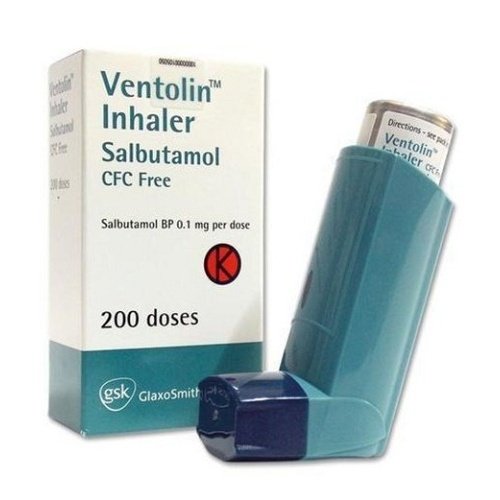
This article is for informational purposes only. Medication use is only possible after consultation with a doctor. Self-medication is dangerous and may endanger your health or life.
Can Ventolin Inhaler (Salbutamol) Be Obtained Without a Prescription in the United States?
No, Ventolin Inhaler requires a valid prescription from a licensed healthcare provider in the United States. It is not legally available over the counter or through unverified online sources.
Key Takeaways
- Ventolin Inhaler is designed for rapid relief of asthma symptoms and is most suitable for individuals with diagnosed asthma or certain types of reversible airway obstruction.
- Patients can expect symptom relief within minutes, but regular long-term control of asthma requires additional medications.
- A prescription is mandatory in the United States; do not attempt to acquire Ventolin Inhaler from unregulated sources.
- Overuse or misuse can lead to serious side effects, including heart rhythm disturbances and paradoxical bronchospasm.
- If asthma symptoms worsen or do not improve after use, seek immediate medical attention.
- Ventolin Inhaler addresses acute symptoms; it does not treat the underlying causes of asthma.
How Does Ventolin Inhaler Work? Understanding the Mechanism of Action
The active ingredient in Ventolin Inhaler, salbutamol (also called albuterol in the United States), is a selective beta2-adrenergic agonist. It binds to beta2-adrenergic receptors found primarily in the smooth muscle lining the airways. This binding stimulates adenylate cyclase, increasing intracellular cyclic AMP (cAMP). Elevated cAMP leads to relaxation of bronchial smooth muscle, resulting in widened airways (bronchodilation) and rapid relief from bronchospasm.
On a cellular level, this process reduces intracellular calcium concentrations, which further decreases the contractility of airway muscles. Salbutamol’s selectivity for beta2 receptors offers bronchodilation with minimal effect on cardiac beta1 receptors at standard doses, though higher doses may lose this selectivity.
Metaphor: Imagine your airways as tunnels that can tighten or relax. Ventolin Inhaler acts like a rapid tunnel-widening crew, quickly opening up narrowed passages so air can flow freely.
Myth: Ventolin Inhaler cures asthma.
Reality: It only relieves acute symptoms and does not treat the underlying inflammation or causes of asthma.
Ventolin Inhaler works independently of external triggers and is effective as soon as bronchoconstriction occurs, making it an essential “rescue” medication.
References: FDA, PubMed, Asthma and Allergy Foundation of America
Clinical Observations: Where Patient Expectations and Reality Often Diverge
As an asthma specialist, one of the most common misconceptions I see is that patients expect Ventolin Inhaler to act as a long-term solution or even a “cure” for their condition. Many interpret rapid relief as proof that their asthma is under control, when in fact, frequent use often signals poor underlying control or worsening inflammation. Patients rarely ask about how often they should need their inhaler or what increased frequency means, yet this is critical information. Another frequent gap is understanding that Ventolin Inhaler should never be used more than prescribed, as overuse can indicate an increased risk for severe attacks. Finally, many patients do not realize the importance of monitoring their inhaler technique, assuming all inhalers are used the same way, which can contribute to suboptimal results.
How Should I Use Ventolin Inhaler? Dosage and Administration in the United States
Standard dosing for adults and children (age 4 and above):
- For acute asthma symptoms: 1 to 2 inhalations (100–200 micrograms) as needed.
- Maximum: Do not exceed 8 inhalations (800 micrograms) in 24 hours unless specifically instructed by your physician.
- For exercise-induced bronchospasm: 2 inhalations 15 to 30 minutes prior to activity.
Duration: The effect lasts approximately 4–6 hours.
Special populations:
- Elderly: No standard dose adjustment, but increased sensitivity may warrant caution. Monitor closely.
- Renal/hepatic impairment: No formal adjustment, but use with caution. Consider specialist input for severe impairment.
Inhaler instructions: Shake well, exhale fully, seal lips around mouthpiece, press canister while inhaling deeply, hold breath for 10 seconds, exhale slowly. Wait at least 1 minute before a second inhalation if prescribed.
Do not split or modify the inhaler canister. Use only as directed.
Does Food, Alcohol, or Lifestyle Affect Ventolin Inhaler?
- Food: No significant food-drug interactions. Ventolin Inhaler can be used regardless of meals.
- Alcohol: Moderate alcohol intake does not directly interfere with Ventolin, but large amounts can worsen asthma control and increase side effects (e.g., palpitations, dizziness). Avoid excessive alcohol use.
- Grapefruit juice: No clinically relevant interaction has been reported with salbutamol.
- Smoking/vaping: Both can worsen asthma and may blunt the drug’s effect. Strongly discouraged.
Myth: Skipping lifestyle changes is fine if you use Ventolin Inhaler.
Reality: The best asthma control combines medication with healthy lifestyle choices and trigger avoidance.
Who Should Not Use Ventolin Inhaler? Contraindications and Red Flags
- Absolute contraindications:
-
- Known hypersensitivity to salbutamol or excipients in the inhaler (such as lactose or certain propellants).
- Relative contraindications (Use with caution):
-
- Severe cardiovascular disorders (e.g., arrhythmias, ischemic heart disease, hypertension). Beta2-agonists can stimulate the heart.
- Thyrotoxicosis (overactive thyroid): Increased risk for palpitations and arrhythmias.
- Uncontrolled diabetes mellitus: Beta2-agonists can increase blood glucose.
- Hypokalemia: Ventolin can lower potassium, increasing risk of muscle weakness and serious arrhythmias.
- Caution immediately after a heart attack: Use only under close medical supervision.
- Seizure disorders: Rare reports of increased seizure activity.
If you have any of these conditions, discuss with your physician before starting Ventolin Inhaler. Other medications or close monitoring may be required.
What Side Effects Are Most Common With Ventolin Inhaler?
- Very common (>1 in 10): Tremor, headache, palpitations, nervousness.
- Common (>1 in 100): Muscle cramps, tachycardia (rapid heartbeat), mouth or throat irritation, cough.
- Uncommon (>1 in 1,000): Hypokalemia (low potassium), arrhythmias, paradoxical bronchospasm, nausea.
- Rare (<1 in 1,000): Allergic reactions (rash, swelling), chest pain, changes in blood pressure, sleep disturbances, hyperactivity (especially in children).
- Very rare (<1 in 10,000): Severe allergic reaction (anaphylaxis), angioedema, metabolic acidosis.
Mechanisms: Beta2-agonist stimulation can lead to muscle tremors (by increasing neuronal activity), palpitations (by mild stimulation of cardiac beta1 receptors at high doses), and hypokalemia (by shifting potassium into cells).
What to do if side effects occur: For mild effects (tremor, headache), monitor symptoms; if severe (chest pain, severe shortness of breath, swelling of lips/tongue), stop using the inhaler and seek emergency care immediately.
Common Missteps: What Patients Often Get Wrong When Using Ventolin Inhaler
- Incorrect Inhaler Technique: Failing to seal lips or inhale deeply enough can prevent proper medication delivery. Solution: Ask your healthcare provider to review your technique periodically.
- Overusing the Inhaler: Using more than the prescribed number of puffs per day can increase side effects and may mask worsening asthma. Solution: Track usage and alert your doctor if you need it more frequently.
- Not Carrying the Inhaler: Leaving it at home can delay treatment during an attack. Solution: Always keep your inhaler accessible.
- Neglecting to Clean the Mouthpiece: This can lead to blockages or reduced drug delivery. Solution: Clean the inhaler as per instructions weekly.
- Ignoring Expiration Dates: Using expired inhalers may result in reduced efficacy. Solution: Check dates regularly and replace as needed.
- Stopping Other Asthma Medications: Relying solely on Ventolin Inhaler for long-term control is unsafe. Solution: Continue prescribed controller medications and discuss any changes with your physician.
How Does Ventolin Inhaler Compare to Alternatives?
| Medicine (Brand/Generic) | Active Ingredient | Onset (Minutes) | Duration (Hours) | Common Side Effects | Estimated Cost (USD, 2026) | Prescription Required |
|---|---|---|---|---|---|---|
| Ventolin HFA | Salbutamol (albuterol) | 5 | 4–6 | Tremor, palpitation, headache | $30–$70/inhaler (200 doses) | Yes |
| ProAir HFA | Albuterol sulfate | 5 | 4–6 | Similar | $25–$60/inhaler | Yes |
| Xopenex HFA | Levalbuterol | 5–10 | 4–6 | Tremor, nervousness, headache | $45–$90/inhaler | Yes |
| Generic Albuterol HFA | Albuterol | 5 | 4–6 | Similar | $20–$40/inhaler | Yes |
Bottom line: All options have similar onset and duration; price and insurance coverage often determine choice. Some patients report fewer side effects with levalbuterol (Xopenex), but this is not consistent across all studies.
Ventolin Inhaler: Product Characteristics and Technical Information
| Parameter | Value |
|---|---|
| Active Ingredient | Salbutamol (albuterol sulfate) |
| Available Strengths | 100 micrograms per actuation |
| Formulation | Metered-dose inhaler (MDI) |
| Dose per Inhaler | 200 actuations |
| Onset of Action | Within 5 minutes |
| Peak Effect | 15–30 minutes |
| Duration | 4–6 hours |
| Storage | Store at room temperature, away from direct sunlight and heat |
| Child-Resistance | Cap included |
Compatibility of Ventolin Inhaler with Other Medications
| Type of Product | Can it be Combined? | Consequences |
|---|---|---|
| Corticosteroid inhalers (e.g., fluticasone) | Yes | No significant interaction; often used together |
| Beta-blockers (e.g., propranolol) | Generally NO | May blunt effect/worsen asthma; use only under supervision |
| Diuretics (e.g., furosemide) | With caution | Increased risk of low potassium |
| MAOI antidepressants | With caution | May increase cardiovascular side effects |
| Other bronchodilators (e.g., ipratropium) | Yes | Often used together; monitor for side effects |
Step-by-Step: How to Obtain Ventolin Inhaler Legally in the United States
- Consult a licensed healthcare provider: Schedule an appointment with a primary care doctor, pulmonologist, or qualified telemedicine provider.
- Medical assessment: The provider will review your symptoms, perform a physical exam, and may conduct lung function tests (spirometry).
- Diagnosis and prescription: If asthma or reversible airway obstruction is diagnosed, the provider will prescribe Ventolin Inhaler (or a suitable alternative).
- Prescription fulfillment: Take the prescription to a licensed U.S. pharmacy (retail or mail-order) or use a verified telepharmacy service to fill the medication.
- Education and follow-up: Receive instructions on inhaler use, possible side effects, and asthma action plans. Schedule follow-up as advised.
Note: Only U.S.-licensed pharmacies may legally dispense Ventolin Inhaler. Online pharmacies must require valid prescriptions and be accredited (see below).
How is Ventolin Inhaler Metabolized and Eliminated? (Pharmacokinetics Made Simple)
After inhalation, approximately 10–20% of the dose reaches the lower airways; the rest is deposited in the mouth/throat and swallowed. Salbutamol is partially absorbed into the bloodstream and undergoes first-pass metabolism in the liver, producing inactive 4′-O-sulfate metabolites. These are primarily excreted via the urine.
Half-life (T1/2): Approximately 3.8–6 hours.
Key point: Patients with severe liver or kidney impairment may accumulate more active or metabolized drug, though inhaled dosing is generally safe with standard monitoring.
Special Considerations for Specific Patient Groups
- Children (under 4): Use only if specifically prescribed by a pediatrician; technique may require a spacer device.
- Elderly: Increased risk for cardiovascular side effects; monitor heart rate and blood pressure.
- Pregnancy and breastfeeding: Data suggest safety when used as directed; use only if benefit outweighs risk. Discuss with your OB-GYN or provider.
- Chronic cardiovascular, renal, or hepatic disease: Use with caution; inform your healthcare provider.
- Driving/operating machinery: Unlikely to impair ability, but caution if tremor, dizziness, or palpitations occur.
- Fertility: No evidence of adverse impact at standard doses.
Original Ventolin vs Generics: What’s the Difference and Are Generics Safe?
Original Ventolin HFA and generic albuterol inhalers contain the same active ingredient, delivered at the same strength and dosage form. Generics are rigorously tested by the FDA for bioequivalence, ensuring they are therapeutically equivalent to the brand product.
- Excipients (inactive ingredients): These may differ between brands and generics (e.g., propellants, flavoring agents). Rarely, patients may react to a specific excipient.
- Appearance: Branding, packaging, colors, and device design (e.g., shape of mouthpiece) may vary, but efficacy is comparable.
- Price: Generics are typically 30–50% less expensive than brand-name Ventolin.
Key takeaway: For most patients, generics offer a safe, effective, and cost-saving option. If you notice unusual symptoms after switching, report to your doctor.
How to Identify a Genuine Ventolin Inhaler and Avoid Counterfeit Products
- Original packaging: U.S.-market Ventolin HFA comes in a factory-sealed box with NDC (National Drug Code), lot number, and expiration date.
- Device appearance: The inhaler is typically blue with a white mouthpiece, clear labeling, and embossed brand information.
- Security features: Recent packaging may include QR codes or holographic elements for authenticity checks.
- Labeling: U.S. FDA-approved products display English instructions, manufacturer details, and pharmacy labeling.
- Price: If a price seems “too good to be true,” it may be a counterfeit or improperly imported product.
How to Verify a Safe, Legitimate Online Pharmacy in the United States
- Look for VIPPS accreditation: Verified Internet Pharmacy Practice Sites (VIPPS) is an accreditation program run by the National Association of Boards of Pharmacy (NABP). Check for the VIPPS seal and verify at nabp.pharmacy.
- Prescription required: Legitimate U.S. pharmacies will always request a valid prescription before dispensing Ventolin Inhaler.
- Contact information: Ensure the pharmacy displays a physical U.S. address and a phone number for pharmacist consultation.
- Beware of red flags: Avoid sites that offer prescription medications without a prescription, use non-U.S. domains, or offer suspiciously low prices.
- Report suspicious activity: Concerns about online pharmacies can be reported to the FDA or your state Board of Pharmacy.
Overdose on Ventolin Inhaler: What to Do
- Stop using the inhaler immediately.
- Call 911 or seek emergency medical attention in the United States.
- Inform emergency personnel about the approximate dose and timing of Ventolin Inhaler use.
- Watch for symptoms: Severe chest pain, rapid or irregular heartbeat, tremors, severe headache, muscle weakness, or fainting.
- Do not attempt to self-treat or wait for symptoms to worsen.
Why? Overdose can cause dangerous heart rhythm disturbances, severe hypokalemia, and even cardiac arrest. Prompt intervention is critical.
Empathy and Psychological Support for Asthma Patients
Asthma is a common and manageable condition—many people experience occasional or persistent symptoms. It’s normal to feel anxious, frustrated, or discouraged, especially if symptoms disrupt daily life. Discussing these concerns with your doctor, a respiratory therapist, or a support group can help you feel more in control. If you notice mood changes linked to your asthma or medication, reach out for support.
What Patients Most Often Ask doctor about Ventolin Inhaler
- How can I tell if Ventolin Inhaler is working for me?
- Most patients feel relief within minutes—wheezing decreases, breathing becomes easier. If you need to use your inhaler more frequently than prescribed or symptoms persist, it’s a sign your asthma may be poorly controlled. In that case, consult your provider.
- Can I use Ventolin Inhaler before exercise, even if I don’t have symptoms?
- Yes. Ventolin Inhaler is commonly used as a preventive measure for exercise-induced symptoms. Two puffs 15–30 minutes before activity are standard.
- Is it normal to feel shaky or have a racing heartbeat after using my inhaler?
- Mild tremors and palpitations are common, especially with higher doses. These usually resolve within an hour. If symptoms are severe or persistent, contact your physician.
- What should I do if I forget my inhaler at home and have an asthma attack?
- Try to rest, stay calm, and seek immediate medical help or emergency services if symptoms worsen. Do not use someone else’s inhaler unless directed by a healthcare professional.
- How do I know when my inhaler is empty?
- Most inhalers have a dose counter. If not, keep track of doses used; 200 puffs is standard. When the canister feels lighter or the spray weakens, replace the inhaler.
- Do I need to rinse my mouth after each use?
- It’s not strictly necessary with Ventolin, but it can help minimize minor irritation. It’s essential after steroid inhalers, but less so with salbutamol.
- How do doctors monitor my asthma control over time?
- Regular checkups, lung function tests (spirometry or peak flow), and reviewing inhaler use frequency are standard. Share symptom diaries or any changes in your triggers with your doctor.
What If Ventolin Inhaler Does Not Work? Next Steps
If you experience no relief from symptoms after using your Ventolin Inhaler, do not repeat extra doses without consulting a physician. Persistent symptoms suggest uncontrolled asthma or another underlying problem (such as pneumonia or severe airway inflammation). Seek immediate medical evaluation—especially if you develop severe shortness of breath, blue lips, or chest pain.
Long-term, your doctor may need to adjust your asthma management plan, add controller medications, or investigate additional causes for your symptoms.
doctor’s Clinical Takeaway on Ventolin Inhaler Use
In my clinical practice, Ventolin Inhaler remains the backbone of “rescue” therapy for patients with intermittent or mild persistent asthma, as well as for those with exercise-induced bronchospasm. Those who benefit the most are individuals with well-documented reversible airway obstruction who require occasional quick relief but do not over-rely on their inhaler. It is less ideal for patients who need frequent, daily symptom relief—these patients often require an adjustment in their long-term management plan, such as the addition of inhaled corticosteroids or maintenance therapies.
Ventolin Inhaler may not be suitable as sole therapy for severe, uncontrolled, or rapidly worsening asthma, where more aggressive intervention and frequent reassessment are needed. I consider alternatives such as levalbuterol (Xopenex) if a patient experiences intolerable side effects, but this is not routine. Ultimately, the key benefit-risk factor is frequency of use: regular need for Ventolin is a signal to step up controller therapy, not simply increase rescue inhaler use.
Frequently Asked Questions (Ventolin Inhaler FAQ)
- Is Ventolin Inhaler available over the counter in the United States?
- No. You need a valid prescription from a licensed healthcare provider to obtain Ventolin Inhaler in the U.S.
- How quickly does Ventolin Inhaler work?
- Relief from bronchospasm usually begins within 5 minutes, reaching peak effect at 15–30 minutes.
- What is the cost of Ventolin Inhaler in the United States?
- As of 2026, prices typically range from $30 to $70 per inhaler (200 doses), depending on insurance coverage and pharmacy. Generics may cost less.
- Can I use Ventolin Inhaler daily?
- Inhaler use for acute symptoms is safe as needed, but regular daily use (other than prevention of exercise-induced asthma) may indicate poor asthma control. Consult your physician if you need it frequently.
- Are there long-term risks of using Ventolin Inhaler?
- Occasional use is safe, but chronic overuse increases the risk of heart rhythm problems, low potassium, and worsening asthma.
- Can I use Ventolin Inhaler if I am pregnant?
- Yes, if prescribed. Available data suggest safety, but always inform your provider if you are pregnant or planning pregnancy.
- Does Ventolin Inhaler interact with other medications?
- Yes, particularly with beta-blockers, certain diuretics, MAOIs, and other bronchodilators. Always tell your provider about all medications you take.
- How do I dispose of an empty inhaler?
- Do not puncture or incinerate. Most pharmacies accept inhalers for safe disposal; otherwise, follow local hazardous waste guidelines.
- Will insurance cover Ventolin Inhaler?
- Most insurance plans, including Medicare and Medicaid, cover Ventolin Inhaler and generics with a prescription. Coverage varies; check with your insurer.
- Can Ventolin Inhaler be delivered to my home?
- Yes, many licensed U.S. pharmacies and telepharmacies provide home delivery, but require a valid prescription and secure shipping.
References
- U.S. Food & Drug Administration (FDA). Ventolin HFA (albuterol sulfate) Inhalation Aerosol. https://www.fda.gov/
- National Institutes of Health. Asthma Management Guidelines. https://www.nhlbi.nih.gov/
- National Asthma Education and Prevention Program Expert Panel Report 2024. https://www.nhlbi.nih.gov/health-topics/guidelines-for-diagnosis-management-of-asthma
- PubMed. Recent studies on beta2-agonist use and outcomes in asthma (2023–2025). https://www.ncbi.nlm.nih.gov/pubmed/
- Asthma and Allergy Foundation of America. Asthma Medications Overview. https://www.aafa.org/
- National Association of Boards of Pharmacy. Verified Pharmacy Program. https://www.nabp.pharmacy/
- Mayo Clinic. Albuterol (Inhalation Route) Information. https://www.mayoclinic.org/drugs-supplements/albuterol-inhalation-route/proper-use/drg-20072125
- Centers for Disease Control and Prevention (CDC). Asthma Data and Statistics. https://www.cdc.gov/asthma/