
Buy Seroquel at a Low Price in the United States Today
- Home/
- Buy Seroquel at a Low Price in the United States Today
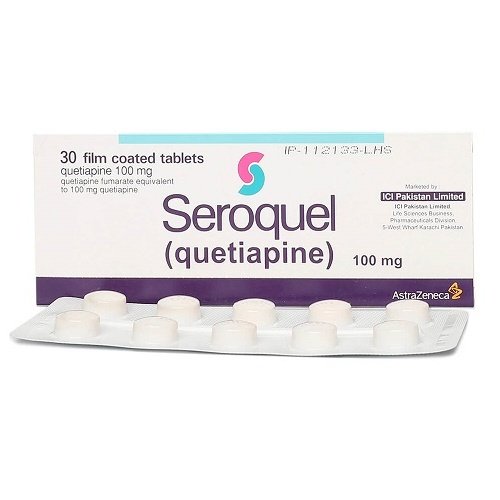
| Product name | Seroquel |
|---|---|
| Main constituent | Quetiapine |
| Treated conditions | Schizophrenia, Bipolar Disorder, Major Depressive Disorder (adjunct) |
| Strength variations | 25 mg, 50 mg, 100 mg, 200 mg, 300 mg, 400 mg |
| Activation timeframe | 1–2 hours after ingestion |
| Effect persistence | 6–12 hours for immediate-release; up to 24 hours for extended-release |
| Prescription necessity | Required under U.S. law |
| Generic sources in U.S. | Teva, Aurobindo, Sandoz, and others |
Seroquel: Clinical Guidance and Access in the United States
Seroquel is a prescription medication with the active ingredient quetiapine, approved in the United States for several mental health conditions. It is accessible through licensed healthcare providers and regulated by the U.S. Food and Drug Administration (FDA). This guide addresses how Seroquel fits into real-life treatment decisions for mental health challenges.
The Reality of Mental Health Concerns: You’re Not Alone
Serious mental health disorders affect millions of Americans, and seeking help is not a sign of weakness. According to the National Institute of Mental Health (NIMH), 2022, approximately 5.5% of U.S. adults live with a serious mental illness such as schizophrenia, bipolar disorder, or major depressive disorder. These conditions frequently disrupt daily functioning but are treatable, with many people experiencing significant improvement when therapy and medication are combined. Recognizing the scale of these issues—and their treatability—can reduce isolation and uncertainty for those affected.
How Seroquel Works: Mechanism and Impact
- Physiological effect: Seroquel acts mainly by modulating neurotransmitters in the brain—blocking dopamine (D2) and serotonin (5-HT2) receptors. This rebalancing impacts mood, perception, and thought patterns.
- Practical consequence: Patients often notice reduced intensity of hallucinations, delusions, agitation, or mood swings. For those with depression, Seroquel (when used as an adjunct to antidepressants) can help improve mood and sleep. Effects typically begin within the first few days but full improvement may require several weeks, depending on the diagnosis and dosage.
- What you may feel: Calmer mood, clearer thoughts, improved sleep, and less emotional volatility. Some may experience drowsiness, especially at initiation—this is a sign of the medication’s sedative component and usually lessens over time.
This dual mechanism—directly changing how certain brain chemicals behave and translating those changes into concrete day-to-day relief—explains Seroquel’s effectiveness in a wide range of psychiatric conditions.
Is Seroquel Right for You? Matching Treatment to Life Situations
| Your situation | Is Seroquel suitable? | Reasoning |
|---|---|---|
| Experiencing acute psychosis or hallucinations | Yes, often recommended | Seroquel’s antipsychotic properties help reduce psychotic symptoms and stabilize thought processes. |
| Bipolar disorder with frequent mood swings | Yes, typically effective | Quetiapine can treat both manic and depressive episodes, providing mood stabilization. |
| Persistent insomnia with depression where other treatments failed | Sometimes used as adjunct | Seroquel’s sedative effects can be beneficial when standard antidepressants are insufficient, but it is not a first-line sleep aid. |
| Mild, situational anxiety with no history of severe mood symptoms | No, generally not indicated | This medication is not intended for mild or isolated anxiety—other approaches may be safer and more appropriate. |
| Significant risk of metabolic syndrome or uncontrolled diabetes | Caution—often not preferred | Seroquel may increase blood sugar and weight; alternative medications may be safer in these cases. |
Consult with a psychiatrist or a prescribing clinician to weigh these scenarios against your individual medical background and psychiatric needs.
Using Seroquel in Daily Life: Practical Considerations
- Administration: Take Seroquel at the same time each day, with or without food, unless your doctor instructs otherwise. Extended-release (XR) forms are swallowed whole; do not crush or chew.
- If you miss a dose: Take it as soon as you remember, unless it’s close to your next scheduled dose. Never double up to make up for a missed dose.
- If it doesn’t seem to work: Seroquel often requires a few weeks for full effect. If you notice no improvement after several weeks or experience worsening symptoms, consult your provider before changing or stopping the medication.
- What’s normal: Drowsiness, dry mouth, or mild dizziness in the first days—these usually fade. Gradual dose increases may minimize these effects.
- What’s not normal: Severe muscle stiffness, high fever, confusion, rapid heartbeat, or fainting—these are rare but serious reactions, and you should seek immediate medical attention if they occur.
- Alcohol and other substances: Avoid alcohol and sedating drugs unless specifically approved by your doctor, as these can intensify drowsiness or depress breathing.
Always communicate non-standard reactions, persistent discomfort, or new symptoms to your healthcare provider. Never discontinue Seroquel abruptly without medical advice, as this may trigger withdrawal or a return of symptoms.
Who Should Not Take Seroquel? Contraindications Explained
- Known allergy to quetiapine: Use is prohibited because hypersensitivity reactions (such as rash, swelling, or difficulty breathing) can be life-threatening.
- Uncontrolled cardiovascular conditions: Not advised for those with certain heart rhythm disorders or recent heart attack, as Seroquel can prolong the QT interval and exacerbate arrhythmias.
- Severe liver impairment: The drug is processed in the liver, so severe dysfunction increases risk of toxicity.
- Children under 10 years: Safety and efficacy have not been established in this group for most indications.
Inform your doctor about all your medical conditions, including pregnancy or breastfeeding, as special considerations may apply.
Side Effects: What to Expect and When to Worry
- Common and usually temporary: Drowsiness, dry mouth, constipation, mild weight gain, dizziness.
- Occasional, may require a doctor’s input: Significant weight gain, increased blood sugar or cholesterol, tremor, restlessness, or changes in heart rhythm (palpitations).
- Rare but require immediate care: Signs of neuroleptic malignant syndrome (muscle rigidity, high fever, confusion), severe allergic reaction (facial swelling, breathing trouble), or persistent chest pain.
If you or someone you know experiences severe reactions such as loss of consciousness, severe shortness of breath, or symptoms of a severe allergic reaction, contact 911 (emergency services) immediately. For medication-specific poisoning or overdose, the American Association of Poison Control Centers can be reached at 1-800-222-1222.
doctor’s note: “Most people starting Seroquel experience some sleepiness or dry mouth, but these often improve. If you notice swelling, muscle stiffness, or confusion, don’t wait—call for help or go to the ER. Mild side effects can nearly always be managed, but serious reactions need urgent attention.”
Drug Interactions: What Else Should You Watch For?
- Other psychiatric medications: Combining Seroquel with other antipsychotics, antidepressants, or mood stabilizers can increase the risk of side effects. Your doctor will adjust dosages as needed.
- Drugs affecting heart rhythm: Some antibiotics, antifungals, and antiarrhythmic medications can interact with Seroquel to increase risk of dangerous arrhythmias.
- CYP3A4 inhibitors or inducers: Medications like ketoconazole (increases Seroquel levels) or phenytoin (decreases levels) may require careful dose adjustment.
- Alcohol and sedatives: Increased risk of sedation and impaired coordination.
Always provide your healthcare provider with a full list of your current medications and supplements. Changes in Seroquel dosing or additional prescriptions should be supervised by a medical professional to ensure safety.
Comparing Seroquel and Alternatives: Where Does It Fit?
| Medication | Main indication | Strengths | Limitations |
|---|---|---|---|
| Seroquel (Quetiapine) | Schizophrenia, Bipolar Disorder, adjunct for Depression | Effective for psychosis and mood swings; sedation may help with agitation/sleep; available in multiple formats. | Weight gain, blood sugar elevation, drowsiness; not ideal for metabolic risk patients. |
| Risperdal (Risperidone) | Schizophrenia, Bipolar Disorder, irritability in autism | Less sedation than Seroquel; available as oral solution or injection. | Higher risk of movement side effects (tremor, stiffness), prolactin elevation. |
| Abilify (Aripiprazole) | Schizophrenia, Bipolar Disorder, adjunct for Depression | Lower risk of weight gain and sedation; partial dopamine agonist mechanism. | May cause agitation or insomnia; less calming for agitation or insomnia. |
| Lithium | Bipolar Disorder (especially manic episodes) | Very effective for mood stabilization; long clinical track record. | Requires blood monitoring; not for psychosis; kidney and thyroid concerns. |
Seroquel stands out when sedation is desired (e.g., agitation, sleep disturbance) and in cases where both mood and psychosis need control. It is not superior for everyone—those seeking fewer metabolic side effects or less sedation may prefer alternatives. The choice should reflect your unique profile and clinical needs.
Buying Seroquel in the United States: Access, Pricing, and What to Expect
| Expense category | Estimated cost (USD) | Details |
|---|---|---|
| Initial psychiatric consultation (in-person) | $150–$350 | Required for diagnosis and prescription; some telemedicine services may be less. |
| Prescription fee (if separate) | $0–$40 | Varies by provider; sometimes included with consultation. |
| Seroquel generic (30 tablets, 100mg) | $20–$60 | Price varies by pharmacy, insurance, and dosage. |
| Seroquel brand (30 tablets, 100mg) | $400–$500 | Brand name is significantly more expensive than generic. |
| Pharmacy delivery (if available) | $0–$25 | May be included with some online pharmacies or charged separately. |
| Total cost (first month, uninsured) | $170–$935 | Lowest scenario: generic Seroquel, basic consultation, no delivery fee. Highest: brand name, in-person consult, delivery included. |
Seroquel is only legally dispensed via prescription in the U.S. While some online vendors claim to sell it without a prescription, this is not compliant with FDA regulations and may carry safety risks. Reputable U.S. pharmacies (in-person or online) will confirm your prescription and may offer delivery. Insurance can substantially reduce your out-of-pocket cost, but check your plan’s formulary to confirm coverage.
- What you receive: Medication in original sealed packaging, with patient information leaflet.
- Consultation: Most pharmacies will require a recent prescription—either from your doctor or from a telemedicine service.
Expect to provide identification and insurance information at the point of purchase. For privacy, most online pharmacies ship in discreet packaging.
Questions That Remain: Practical Details and Clarifications
- How long do I need to take Seroquel? The duration depends on diagnosis and response—acute episodes may require weeks to months; chronic conditions may need long-term therapy. Your provider will reassess at regular intervals.
- Can I drive or work while taking Seroquel? Until you know how you respond, avoid driving or operating machinery. Drowsiness is common, especially early in treatment.
- Is Seroquel habit-forming? It is not addictive or habit-forming in the traditional sense, but stopping suddenly can lead to withdrawal symptoms; always taper under medical supervision.
- Can Seroquel be used in pregnancy? The safety profile during pregnancy is not fully established. The risks and benefits must be weighed by your prescribing doctor. Inform your provider if you are pregnant or planning to become pregnant.
Any uncertainties not addressed here should be discussed with your psychiatrist or prescribing physician, who can personalize recommendations to your health profile and treatment goals.