
Buy Zithromax Online in the United States – Fast US Delivery
- Home/
- Buy Zithromax Online in the United States – Fast US Delivery
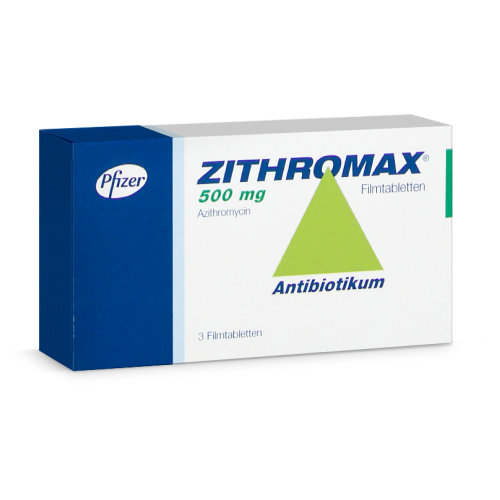
| Product name | Zithromax |
|---|---|
| Main compound | Azithromycin |
| Clinical application | Treatment of bacterial infections |
| Form strengths | 250mg, 500mg tablets; 100mg/5mL, 200mg/5mL oral suspension |
| How quickly it begins working | Within 24 to 48 hours after first dose |
| Effect duration | Continues working for up to 7 days after last dose |
| Typical dosing approach | Once daily, usually for 3–5 days |
| Food interactions | May be taken with or without food |
| Legal access in United States | Prescription from a licensed healthcare provider required |
Zithromax: Practical Guidance for Antibiotic Use in the United States
Zithromax, containing the active ingredient Azithromycin, is a widely prescribed antibiotic for a range of bacterial infections such as respiratory tract, skin, and some sexually transmitted infections. It is accessible with a valid prescription throughout the United States and regulated by the U.S. Food and Drug Administration (FDA) for safety and quality. Understanding how and when to use Zithromax can help you make an informed decision about your treatment path.
Why Your Infection Is Both Common and Treatable
Bacterial infections, from sinusitis to bronchitis and skin infections, are frequent reasons for medical visits in the U.S. According to the Centers for Disease Control and Prevention (CDC), in 2021, antibiotics were prescribed over 211 million times in outpatient settings in the United States. Respiratory tract infections alone account for a substantial proportion of these cases. The good news: most bacterial infections respond well to timely antibiotic treatment — and Zithromax is among the recommended options for several of these conditions. If you’re facing an infection, you are not alone, and effective solutions are available.
How Zithromax Fights Infection: Mechanism and What You’ll Notice
Azithromycin, the active compound in Zithromax, belongs to a class of antibiotics called macrolides. It works by interfering with the ability of bacteria to produce essential proteins. This action stops bacterial growth and, over time, causes the bacteria to die off. For you, this means symptoms like fever, pain, or congestion should begin to improve within 24–48 hours after starting the medication — though it’s important to finish the full prescribed course, even if you start feeling better early. The long tissue half-life of azithromycin allows it to remain active in your body for several days after your last dose, reducing the risk of relapse.
- Physiological mechanism: Blocks protein synthesis in bacteria, stopping their spread.
- Practical impact: Symptoms begin to improve within a couple of days, and the medication continues protecting you after the last pill.
Because of its long-lasting effect, Zithromax is taken for a shorter period compared to many other antibiotics — often just 3-5 days.
Choosing Zithromax: Does It Fit Your Situation?
| Your Situation | Is Zithromax Appropriate? | Reason |
|---|---|---|
| You have a diagnosed bacterial respiratory infection (e.g., sinusitis, bronchitis) and no history of macrolide allergy. | Yes | Zithromax is often a first-line or alternative antibiotic for these infections, especially if penicillin allergy exists. |
| You are prescribed antibiotics for a viral infection (like the common cold or flu). | No | Antibiotics, including Zithromax, do not work against viruses and could contribute to resistance or unnecessary side effects. |
| You have a complicated infection or severe kidney or liver disease. | Maybe | In these cases, Zithromax may not be the best option due to altered drug metabolism — doctor’s advice is essential. |
| You are pregnant or breastfeeding and need an antibiotic. | Potentially | Zithromax is sometimes considered safe, but a healthcare provider will weigh risks and benefits for your specific situation. |
| You need treatment for certain sexually transmitted infections (e.g., chlamydia, gonorrhea). | Yes, in specific cases | Azithromycin is a recommended option for some STIs, but dosing and suitability depend on the infection type. |
This table can help you recognize whether Zithromax matches your needs, but the final choice should be discussed with a healthcare professional, especially in non-routine or high-risk cases.
Practical Use: Taking Zithromax in Real Life
- When to take: Usually once daily, at the same time each day. It’s important to complete every dose, even if you feel better sooner.
- With food or without? Zithromax can be taken with or without food, but some people find it gentler on the stomach when taken after a meal.
- Missed a dose? Take it as soon as you remember. If close to your next scheduled dose, skip the missed one — do not double up.
- Not seeing improvement? If your symptoms do not improve within 2–3 days, or if they worsen, consult your healthcare provider to reassess your diagnosis or treatment plan.
The once-daily dosing and short treatment course contribute to higher patient adherence compared to antibiotics that require more frequent or longer administration.
Always store the medication at room temperature and keep out of reach of children. If you’re using the oral suspension, shake the bottle well before each use.
Contraindications: Who Should Not Use Zithromax?
- Known allergy to Azithromycin or other macrolide antibiotics: Risk of severe allergic reactions; alternative antibiotics are necessary.
- Severe liver dysfunction: Zithromax is processed through the liver; impaired function can lead to accumulation and toxicity.
- History of cholestatic jaundice/hepatic dysfunction associated with prior azithromycin use: Increased risk of recurrence and serious liver injury.
- Pre-existing QT prolongation or use of certain heart rhythm medications: Azithromycin can affect heart rhythm, potentially leading to dangerous arrhythmias.
If any of these situations apply to you, discuss alternatives with your doctor. Never start a new antibiotic without confirming suitability in the context of your full medical history.
Possible Side Effects: What to Expect and When to Seek Help
- Common and usually mild: Upset stomach, diarrhea, nausea, and headache. These symptoms are generally short-lived and resolve after completing the course.
- Less common but important: Skin rash, itching, and mild allergic reactions. Notify your doctor if these occur, especially if the rash is spreading or associated with other symptoms.
- Rare but serious: Severe allergic reactions (swelling of face/lips, breathing difficulty), yellowing of the skin or eyes (signs of liver problems), or palpitations/fainting (heart rhythm issues).
If you experience swelling, difficulty breathing, or sudden collapse, this may indicate a severe allergic reaction — call 911 immediately in the United States. Timely medical attention can prevent complications.
Medication Interactions: What Not to Mix with Zithromax
- Other drugs affecting heart rhythm: Combining Zithromax with medications like amiodarone, sotalol, or some antipsychotics can increase the risk of dangerous arrhythmias.
- Antacids containing aluminum or magnesium: These can reduce absorption of Zithromax if taken at the same time. Separate doses by at least 2 hours.
- Warfarin or blood thinners: Azithromycin may increase bleeding risk; closer monitoring of INR (blood clotting tests) may be needed.
- Cyclosporine and digoxin: Blood levels of these drugs may increase when combined with Zithromax, leading to potential toxicity. Dose adjustments may be required.
Always inform your healthcare provider and pharmacist about all medications and supplements you’re currently taking before starting Zithromax. This helps prevent avoidable risks and interactions.
How Zithromax Compares: Alternatives and Their Place
| Antibiotic | Typical Use | Duration of Treatment | Strengths | Limitations |
|---|---|---|---|---|
| Zithromax (Azithromycin) | Respiratory, skin, some STIs | 3–5 days | Short course, once-daily dosing, good tissue penetration | Poor choice for some resistant bacteria, QT prolongation risk |
| Amoxicillin | Respiratory, ear, urinary infections | 7–10 days | Well-tolerated, lower resistance in some settings | Frequent dosing, less effective for atypical bacteria |
| Doxycycline | Respiratory, STIs, skin, tick-borne diseases | 7–14 days | Active against a broad spectrum, inexpensive | Photosensitivity, not for children under 8 or pregnant women |
| Levofloxacin | Lower respiratory, urinary, skin infections | 5–10 days | Good for resistant organisms, convenient dosing | Risk of tendon rupture, not first-line for most routine cases |
Zithromax stands out for its simple dosing schedule and shorter duration, increasing convenience and adherence. However, it is not ideal for every infection, especially where bacteria have developed resistance or for conditions requiring a different antibiotic spectrum. For some individuals, alternative antibiotics may be safer or more effective based on medical history or the specific bacteria involved.
Cost, Prescription, and What to Expect When Obtaining Zithromax
| Expense | Typical Amount (USD) | Context |
|---|---|---|
| Doctor consultation (in-person or telemedicine) | $75 – $200 | Required for prescription; price varies by provider and insurance |
| Prescription fee (if separate) | $0 – $25 | Some services include in visit; some charge separately |
| Zithromax tablets (250mg or 500mg, pack of 6) | $12 – $50 | Generic versions are widely available and typically less expensive |
| Delivery (online pharmacy) | $5 – $20 | Standard or express shipping, varies by pharmacy |
| Total estimated cost | $92 – $295 | Lowest for generic, telemedicine, and standard shipping; highest for branded, in-person, and express |
To obtain Zithromax in the United States, you will need a prescription from a licensed healthcare provider. Many online and local pharmacies require this documentation before dispensing the medication. Generic azithromycin is widely available and typically much less expensive than the branded version. Delivery times and costs depend on the pharmacy and shipping method chosen.
It is important to verify that any online pharmacy you use is certified and legally authorized to sell prescription medications in the United States. The U.S. FDA provides a searchable list of approved online pharmacies.
Remaining Questions: What If My Symptoms Don’t Go Away?
If your symptoms persist or return after completing Zithromax, several factors might be at play: the original infection could be resistant to azithromycin, you may have a different type of infection (such as a viral or fungal cause), or another health condition may be complicating recovery. In these cases, a follow-up with your healthcare provider is necessary. They may recommend a different antibiotic, additional testing, or supportive care based on your specific situation.
Self-diagnosing or starting another antibiotic course without medical supervision can cause harm and increase antibiotic resistance. Always consult your doctor before making changes to your treatment.