
Buy Prednisolone Online in the United States – Fast Delivery Available
- Home/
- Buy Prednisolone Online in the United States – Fast Delivery Available
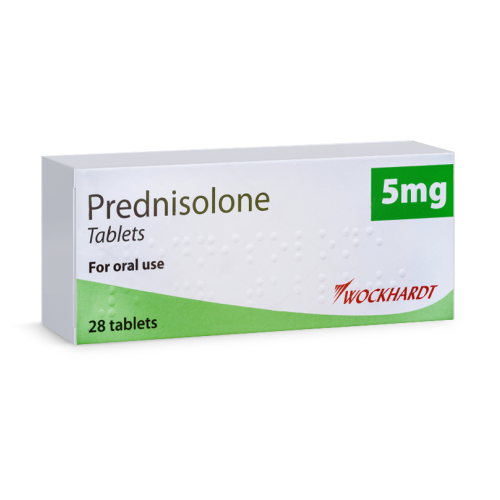
Prednisolone is a prescription medication used in the United States to manage a wide range of inflammatory conditions, from asthma flare-ups to severe arthritis. It works by calming the overactive immune response that causes swelling, pain, and tissue damage. Before starting Prednisolone, every patient should know: its benefits can be transformative, but timing, dose, and duration matter—missteps here change the risk–benefit equation. Your choices and your body’s own response shape the outcome more than most people expect.
Where Prednisolone Stands in the Battle Against Inflammation
The call usually comes when a flare has already upended someone’s week. A swollen knee locks up, a rash spreads, or a child’s breathing turns rough and fast. Doctors reach for Prednisolone not out of habit, but because sometimes, nothing else acts fast or reliably enough to pull the body back from the brink of runaway inflammation.
Prednisolone is not a gentle nudge. It’s a strong, targeted brake on the immune system’s most aggressive behaviors. Patients in the United States see it used in settings as varied as hospital acute care and the family doctor’s office—acute asthma, lupus, ulcerative colitis, allergic reactions, and many more. Its role is rarely first-line for chronic inflammation, but it’s unmatched when you need symptoms controlled now.
Despite its reputation, Prednisolone is not a one-size-fits-all fix. The decision to use it, and for how long, depends on weighing the intensity of inflammation against the medication’s potential to disrupt the body’s balance elsewhere. Patients often know it as the “big gun” of anti-inflammatories, but that label both overstates and understates its place—“big” in effect, precise in why and when it’s chosen. If you are reading this because Prednisolone is on your treatment horizon, you are likely facing a moment when ordinary options have already been considered and found lacking.
How Prednisolone Changes Inflammation—and What That Means for Your Recovery
Prednisolone enters the bloodstream and signals almost every cell in your body to put the brakes on the processes that create swelling, pain, redness, and tissue damage. It’s a corticosteroid, but what matters for you is how quickly it can interrupt an inflammatory storm—sometimes within hours, often in a day or two. If you’ve tried other anti-inflammatories and felt like you were just treading water, Prednisolone often feels like someone finally tossed you a life vest.
But that speed and power come from more than just dialing down inflammation. Prednisolone alters the way immune cells signal to each other, slows the movement of white blood cells into inflamed tissues, and decreases the production of chemicals (cytokines) that escalate symptoms. The result: pain eases, swelling shrinks, breathing clears, or joints regain movement.
- Corticosteroid
- A type of medication that mimics hormones produced by your adrenal glands, used to reduce inflammation and suppress the immune response.
For patients, this broad immune suppression is both the promise and the hazard of Prednisolone. Control the inflammation, and you can avoid long-term tissue damage, severe pain, or even hospitalization. Suppress the immune system too much or for too long, and you open the door to infection, blood sugar swings, and other side effects that can seem far removed from the original problem.
What Taking Prednisolone Actually Feels Like: From First Dose to Tapering Off
No two patients have the same experience on Prednisolone—but most remember how quickly their symptoms turned a corner. In practice, the first dose often coincides with a subtle easing: a joint that feels less hot, an airway that opens enough to breathe deeply again, a rash beginning to fade. Relief can be striking.
- Rapid improvement: Symptoms sometimes improve after a single day. The speed is often surprising—but also raises hope (sometimes unrealistic) for a total fix.
- Energy changes: Some patients feel restless, energized, or have difficulty sleeping, especially at higher doses—even after a daytime dose.
- Appetite and mood: Increased hunger, mood swings, or emotional ups and downs are common. Not everyone experiences these, but they can be as disruptive as the original inflammation if unanticipated.
- Tapering matters: Longer courses of Prednisolone (more than 1-2 weeks) need to be tapered. Stopping suddenly risks withdrawal symptoms, even adrenal crisis—a much more serious event. Always follow the plan your doctor provides for tapering off.
Real-world experience is shaped by dose, duration, and what you bring to the table—your health history, your metabolism, your other medications. Some patients finish a course and remember only the relief; others feel disrupted by temporary but real changes in mood, sleep, or body shape. If you feel “not yourself” while on Prednisolone, you are far from alone. Most effects wear off after the course ends, but each person’s path from first dose to last is unique.
Which Side Effects Matter Most with Prednisolone—and When to Act
Short courses of Prednisolone—typically less than two weeks—tend to bring milder side effects, mostly temporary. Longer or high-dose treatments raise the stakes: the risk of serious problems increases, and subtle changes can become chronic. The challenge for patients is separating what’s expected from what’s worrisome, and knowing when to call their doctor.
- Insomnia and mood changes: Trouble sleeping and emotional shifts are common, especially at higher doses. These usually resolve when the medication is stopped.
- Increased appetite and weight gain: A frequent issue, particularly for those on extended courses.
- Elevated blood sugar: Especially important for people with diabetes or pre-diabetes; Prednisolone can worsen glucose control.
- Infection risk: By suppressing the immune response, Prednisolone increases susceptibility to infections—sometimes unusual or severe types.
- Bone thinning (osteoporosis): A risk with longer-term use. Your doctor may recommend preventive measures, including calcium and vitamin D supplements.
- Fluid retention and high blood pressure: Prednisolone can raise blood pressure and cause swelling, especially in the legs and face.
Not every side effect means stopping the drug—but certain symptoms are red flags. Watch for fever, confusion, severe mood changes, vision problems, or signs of infection that are unusual for you. For many, mild side effects are a worthwhile trade-off for controlling a serious inflammatory crisis, but knowing when to call for help is part of safe use.
| Side Effect | Frequency | When to Contact Your Doctor |
|---|---|---|
| Insomnia | Common (10-30%) | If severe or persistent after stopping |
| Mood changes/irritability | Common (up to 20%) | If severe, manic, or depressive symptoms develop |
| Infection (any type) | Less common (1-10%) | If fever, cough, or new pain develops |
| Elevated blood sugar | Common for diabetics | If glucose rises unexpectedly or causes symptoms |
| Osteoporosis (with long-term use) | Uncommon for short courses (<5%) | If unexplained bone pain or fractures occur |
| Sudden vision changes | Rare (<1%) | Immediately, as this may signal serious complications |
Most side effects are manageable, but rapid or severe symptoms demand prompt medical attention. If you’re unsure whether a change is related to Prednisolone, contact your healthcare provider for guidance—better one call too many than one too few.
Prednisolone vs. Its Rivals: The Real-Life Differences
| Attribute | Prednisolone | Methylprednisolone | NSAIDs (e.g., Ibuprofen) |
|---|---|---|---|
| Mechanism | Corticosteroid—broad immune suppression | Corticosteroid—similar mechanism, different metabolism | Nonsteroidal—blocks COX enzymes, less immune suppression |
| Onset (hours) | 6-24 | 6-24 | 1-3 |
| Duration of effect | 12-36 hours | 18-40 hours | 4-8 hours |
| Effectiveness in severe inflammation | High | High | Low-Moderate |
| Common side effects | Insomnia, appetite, mood swings | Similar; may cause more GI upset | Stomach pain, ulcers, bleeding |
| Serious risks | Immune suppression, bone loss, adrenal suppression | Immune suppression, GI risk higher IV | GI bleeding, kidney injury |
| Prescription status (U.S.) | Prescription only | Prescription only | Over-the-counter for many, prescription at higher doses |
| Typical cost (without insurance) | Low-moderate | Moderate | Low |
| Monitoring needed | Yes (especially for blood sugar, blood pressure, bone health) | Yes (similar to Prednisolone) | Usually none for short-term use |
Prednisolone is chosen when inflammation is too severe or dangerous for NSAIDs alone, especially when immune suppression is needed. Methylprednisolone is closely related but may be preferred in hospital settings or when intravenous dosing is required. NSAIDs like ibuprofen are effective for milder symptoms and some chronic conditions but cannot match Prednisolone’s effect on severe inflammation—and they have their own, very different set of risks. For most acute or moderate inflammatory crises, your doctor’s choice of Prednisolone is based as much on your personal health context as on these drug differences.
When Not to Take Prednisolone—And What to Tell Your Doctor First
- Absolute contraindications: Do not take Prednisolone if you have a known allergy to it or to other corticosteroids, or if you have a current, severe, untreated infection (especially fungal, viral, or tuberculosis).
- Relative contraindications: Use caution and detailed discussion with your doctor if you have: poorly controlled diabetes, active stomach ulcers, severe osteoporosis, a history of psychiatric illness (depression, mania, psychosis), glaucoma, prior corticosteroid-induced complications, or if you are immunocompromised for another reason.
When deciding whether to start Prednisolone, full disclosure is critical. Tell your doctor about any chronic infections (even ones from years ago), tuberculosis exposure, current medications (including supplements), and your mental health history. Many patients under-report these risks, but in practice, this information shapes both the safety and the outcome of treatment.
Accessing Prednisolone in the United States: Prescription, Cost, and Availability
Prednisolone is prescription-only in the United States. That means you can’t buy it over the counter, online, or via international pharmacy importation—at least, not legally or safely. The FDA regulates all corticosteroids tightly, and pharmacies require a valid U.S. prescription before dispensing.
Most patients get Prednisolone at a local pharmacy, though some mail-order pharmacies dispense it for chronic conditions. Insurance typically covers oral steroids when prescribed for FDA-approved indications, but co-pays and prior authorization requirements vary widely. Generics are widely available and cost less than brand-name formulations, with prices for a full course (without insurance) often ranging from $10 to $50 depending on dose and pharmacy.
Stat: Over 85% of Americans with insurance pay less than $20 for a typical short course of Prednisolone. (Source: Commercial pharmacy data, 2022)
Access for pediatric patients, people with complex conditions, or those prescribed high-dose or long-term courses may involve additional monitoring, including regular lab checks for side effects. Pharmacies in the U.S. are required to provide counseling on corticosteroid risks—if you don’t receive it, ask for a pharmacist consultation. Lastly, for anyone considering alternatives: beware of online sources offering Prednisolone without a prescription. Risks range from counterfeit drugs to unsafe dosing and legal trouble.
Prednisolone FAQ—Real Questions from Real Patients
- How quickly will Prednisolone start working for my inflammation?
- Most people notice improvement within 12 to 24 hours after the first dose, particularly for conditions like asthma or allergic reactions. Some inflammatory conditions, such as severe arthritis, may take a bit longer to show relief, but rapid change is the norm compared to other treatments.
- Do I need to finish the full course if I feel better after a few days?
- Yes. Stopping early increases the risk of rebound inflammation and withdrawal symptoms. Your doctor’s dosing schedule is designed to ensure both safety and full recovery—follow it even if your symptoms resolve quickly.
- Will taking Prednisolone make me gain weight?
- Short courses (less than two weeks) usually cause minimal weight change. Longer or repeated courses increase appetite and fluid retention, which can lead to noticeable weight gain. Discuss preventive strategies with your doctor if this is a concern for you.
- Can Prednisolone interact with my other medications?
- Yes. Prednisolone has significant interactions with drugs that affect blood sugar, blood pressure, blood clotting, and immune function. Always provide a complete medication list to your physician, including supplements and over-the-counter drugs.
- What if I miss a dose of Prednisolone?
- If you miss a dose, take it as soon as you remember, unless it’s almost time for your next dose. Do not double up. Call your doctor if you miss multiple doses or feel unwell. Missing doses can affect both recovery and risk of side effects.
- Is it safe to take Prednisolone if I have diabetes?
- Prednisolone can raise blood sugar levels, sometimes significantly. Your doctor may need to adjust your diabetes medications while you are taking it, and more frequent monitoring is recommended. Never start or stop Prednisolone without consulting your healthcare team if you have diabetes.
- What’s the difference between Prednisolone and Prednisone?
- Prednisolone is the active form; Prednisone must be converted in the liver to Prednisolone. Clinical effects are similar, but people with liver disease may be given Prednisolone directly. Your doctor will choose based on your specific health needs.
- Can I drink alcohol while taking Prednisolone?
- Alcohol can increase the risk of stomach irritation, ulcers, and other side effects, especially with longer courses or higher doses. Moderation is key, but discuss alcohol use with your doctor before starting Prednisolone.
- Is Prednisolone safe during pregnancy or breastfeeding?
- Short-term, low-dose use may be considered if medically necessary, but risks exist—especially for high-dose or long-term courses. Always consult your physician to discuss the benefits and risks in your situation.
- Are there natural alternatives to Prednisolone for inflammation?
- No natural supplement or diet matches the power or speed of Prednisolone for severe inflammation. Some lifestyle changes and anti-inflammatory diets may help with mild symptoms, but they cannot replace Prednisolone in acute or dangerous situations.
References
- U.S. Food and Drug Administration
- American College of Rheumatology
- Prednisolone (Oral Route) – Mayo Clinic
- PubMed
- Centers for Disease Control and Prevention
- Prednisolone Tablets Prescribing Information, Multiple Manufacturers, 2023
- 2023 American College of Rheumatology Guideline for the Management of Rheumatoid Arthritis
- ClinicalTrials.gov