STEM Education Explained: Building Skills for the 21st Century
STEM education is one of the fastest-growing methodologies, especially for homeschools ready to adopt modern concepts.
The heart of STEM education is to make kids more confident when they do a little science experiment or math project, and to learn through real-life experiences. It’s about learning how to think, create, and solve problems in the real world.
In today’s fast-changing world, STEM—Science, Technology, Engineering, and Math—is becoming essential. It equips students with skills they’ll need not just for a career, but for life.
What STEM Education Really Means
Many people think STEM is just numbers and lab experiments. The idea is to spark curiosity, build problem-solving skills, and prepare kids for the future. It’s asking “Why does this happen?” or “How can I make this better?” rather than memorizing facts.
STEM encourages creativity, teamwork, and critical thinking. When students explore ideas, test solutions, and learn from mistakes, they’re not just teaching subjects—they’re learning how to learn, which is a skill that lasts a lifetime.
Preparing Students for the Real World
Starting a new job or taking on a big project can feel overwhelming. STEM education helps students gain confidence by giving them practical tools:
- Encourage critical thinking and problem-solving
- Develop communication skills for teamwork
- Sharing ideas in an effective manner
With AI technology taking over, the world doesn’t need book crammers or traditional practice followers; it requires those who can think outside the box.
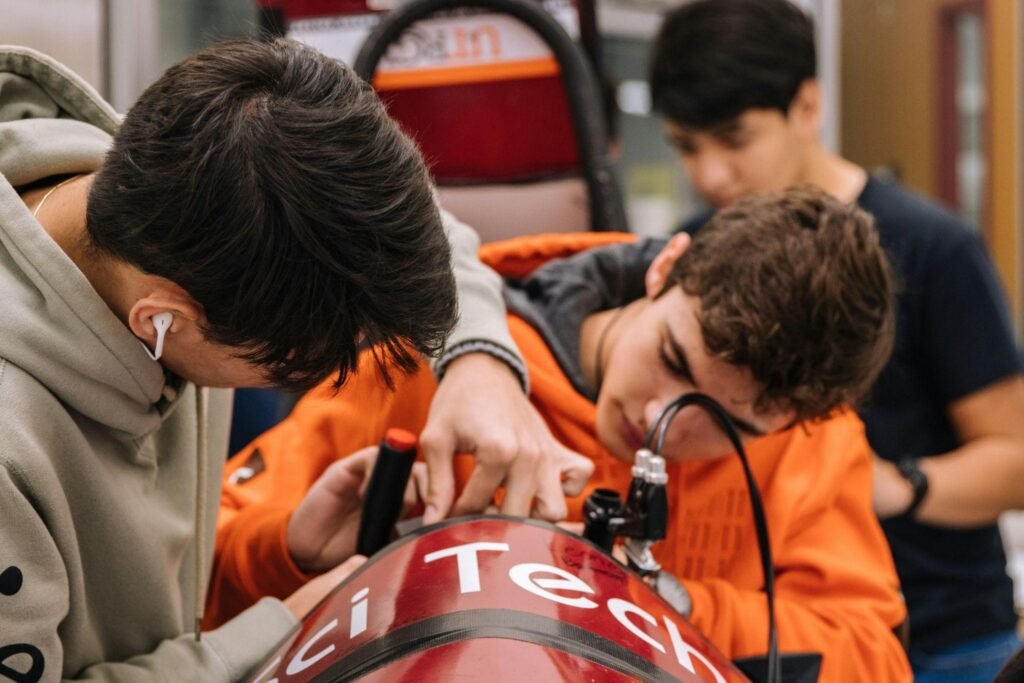
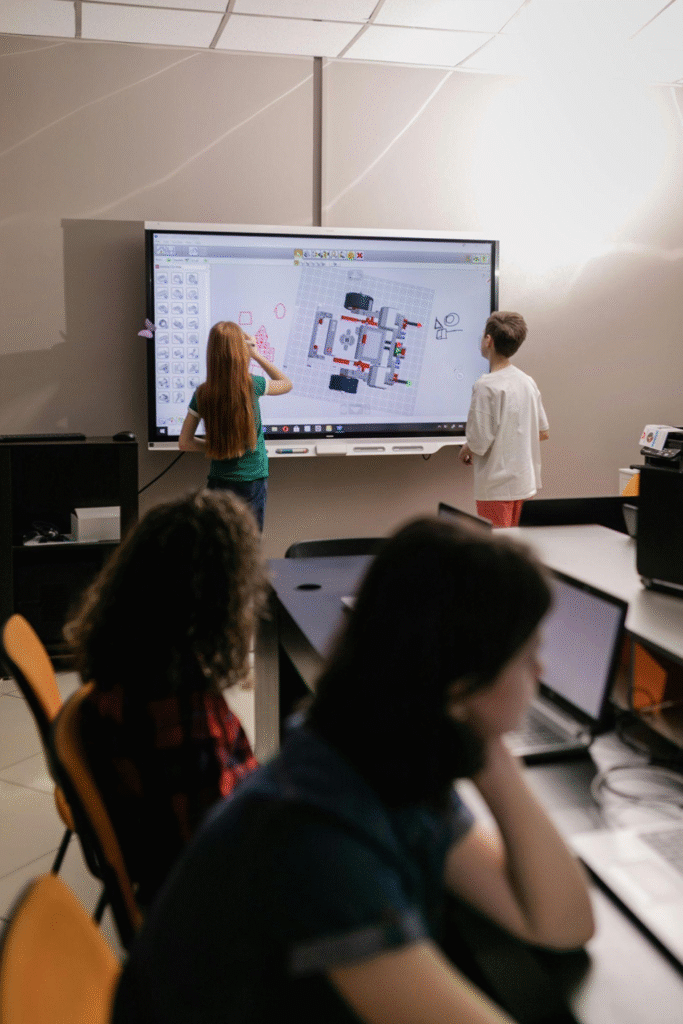
Getting practical experience with the knowledge before entering college gives these students an edge. Making a small game through coding or designing a model house encourages students to think about practical applications of learning and how to address challenges.
How STEM Supports Personal Growth
STEM isn’t just about school or work—it shapes who we are. When students work through challenges, they develop patience, resilience, and confidence. They discover what they enjoy, where their strengths lie, and how to approach new challenges with curiosity.
These lessons aren’t confined to science labs or classrooms—they show up in everyday life. From managing time effectively to thinking creatively about problems, STEM teaches skills that matter beyond school.
Why Society Benefits from STEM
An educated, STEM-literate society is a stronger society. People who think critically and solve problems drive innovation, improve communities, and inspire others.
When individuals are curious, empowered, and responsible, communities thrive. STEM education fosters these qualities, helping society tackle challenges—from technology to healthcare—while nurturing the next generation of innovators.
STEM: Learning for the lifetime
STEM education is lifelong, and that’s the basic purpose of learning. We need a generation that doesn’t stop learning once college ends. But we need minds that continue to thrive and seize the opportunity to learn beyond school.
Learning doesn’t end with school. Careers change, technology evolves, and new opportunities arise. STEM fosters a lifelong curiosity mindset. To keep the doors of learning open, let people not only enhance their knowledge for work life but also for their personal growth. STEM educators have this attitude towards learning, and their minds are wired to think critically and seize opportunities to evolve as people.
With technology taking over the education system, STEM also offers flexibility for learners to explore ideas at their own pace and connect with learners and experts worldwide. Whether it’s learning to code, exploring robotics, or picking up new math strategies, staying engaged keeps the mind sharp and opens doors to endless possibilities.
Making STEM Fun and Accessible
The idea of modern education is to make STEM education accessible for all; it isn’t limited to schools. Families and homeschoolers can bring STEM learning to life at home:
- Try small experiments using everyday items
- Explore coding apps or simple robotics kits
- Encourage curiosity with questions like “How does this work?”
- Support creative projects, from building to problem-solving
Such activities encourage our homeschoolers to explore, learn, and connect with the modern world as their developing brains grow.
Final Thoughts
STEM education is about more than grades—it’s about equipping students to face life with confidence, curiosity, and creativity. It teaches them to think critically, solve problems, and grow as individuals.
STEM science projects help students think and adapt to rapidly evolving technology. Practical works build confidence in learners, and curiosity enables them to strive for a better future.
Remember, it’s not about being perfect—it’s about exploring, evolving, and being future-ready.