Rethinking Education: How the Modern Education System Is Changing Lives
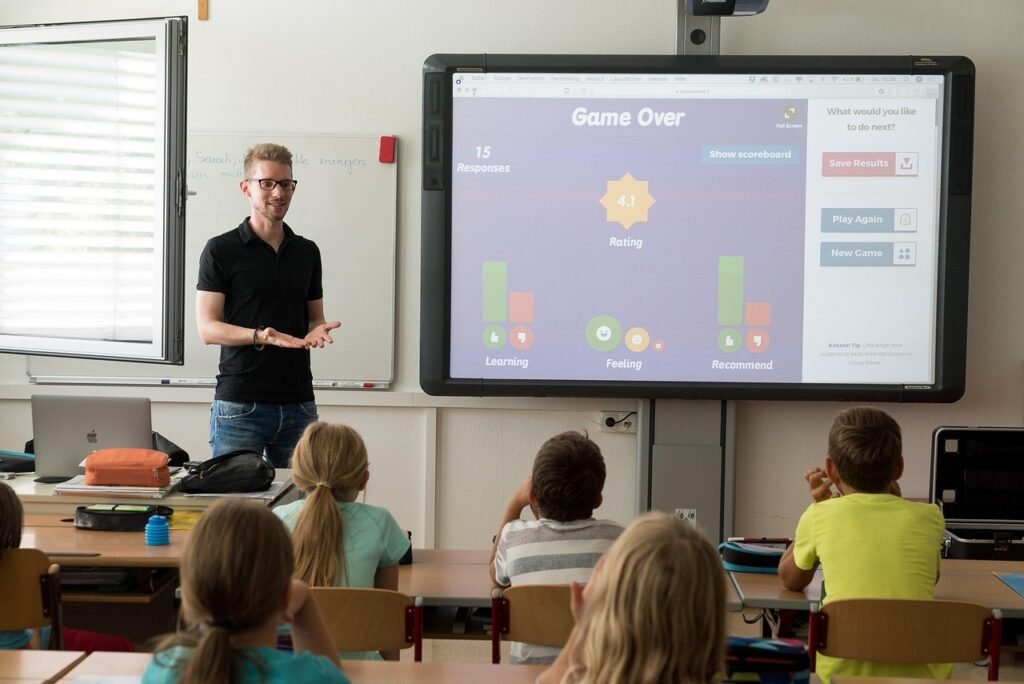
Not long ago, education followed a familiar routine. Students sat in rows, listened to lectures, took notes, and prepared for exams. For many people in the US, that system worked well enough. But today, the world looks very different—and education is slowly catching up.
The modern education system offers flexibility and adaptability, preparing children for the future. Students can use an approach that suits them, such as self-paced, collaborative, inclusive, experiential, online, hybrid, and more.
Online learning is not just replacing books with laptops or tablets; it’s a different approach to learning with flexible schedules. From digitalization to skill-based teaching, the modern education system is much more adaptive to the practical world of learning and application.
Why the Old Model Needed a Rethink
Traditional education was built for a different time. It focused heavily on memorization, fixed timetables, and standardized testing. While this approach helped create structure and discipline, it didn’t always leave room for creativity or individual learning styles.
Many students struggled not because they lacked ability, but because the system didn’t adapt to how they learned best. Others finished school with strong grades but little idea of how to apply their knowledge in real life. This gap is one of the biggest reasons educators began rethinking how learning should work.
What Makes the Modern Education System Different
Modern education shifts the focus from teaching to learning. Instead of asking students to absorb information, it encourages them to engage with it. Lessons are designed to be more interactive, practical, and connected to real-world situations.
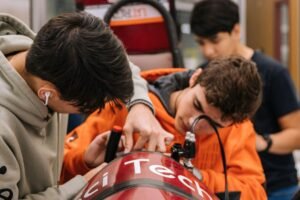
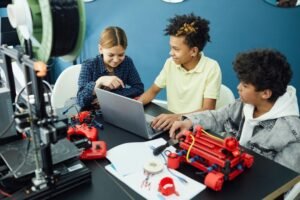
With technological integration, our education system not only offers flexibility, such as e-learning, but also encourages students to broaden their education beyond the classroom and apply this knowledge in the real world. Coding, robotics, and laptop design are all project-based learning that let the mind explore, visualize, and think critically, which helps in the future. Students can learn online, collaborate remotely, and explore topics at their own pace.
In the US, this approach has opened new doors for students who need flexibility, including working adults, remote learners, and those returning to education later in life.
Learning That Feels Personal, Not Forced
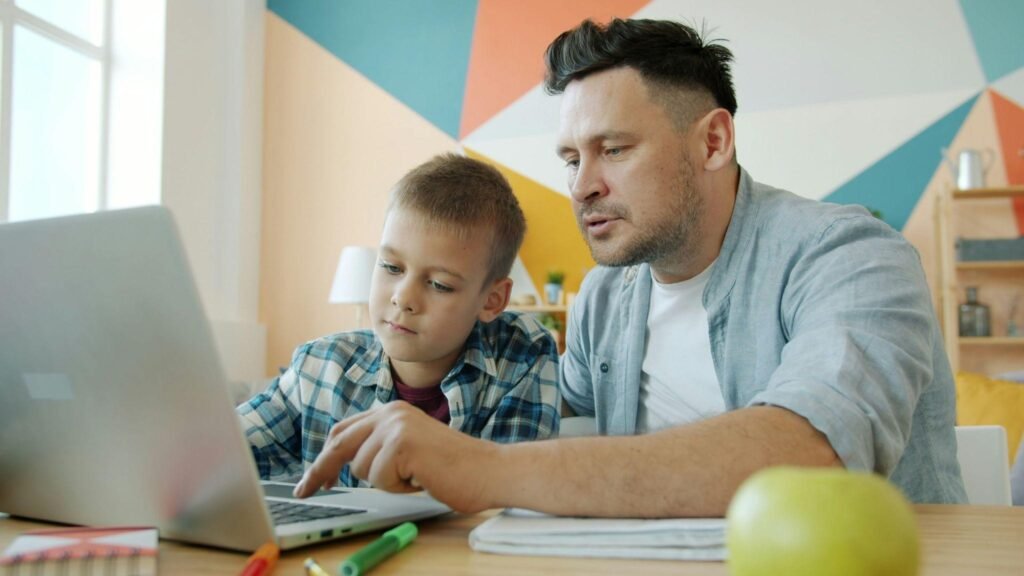
One of the most meaningful changes in the modern education system is personalization. With self-paced learning, students can take their time to absorb knowledge and avoid unnecessary peer pressure. When students feel understood rather than rushed, their confidence grows. That confidence often leads to better engagement and stronger outcomes.
Students are exposed to tools such as coding platforms, robotics kits, and immersive simulations. Some classrooms even use AR/VR experiences to help students visualize complex concepts, making learning more tangible and memorable.
Students can also collaborate remotely, work on projects, and move through content at their own pace.
This shift has been significant in diverse US classrooms, where students come from different backgrounds and bring different experiences to the learning process.
Skills That Actually Matter in Real Life
The positive side of modern education is that it focuses on developing skills that are usable in practical and professional life. Students are encouraged to think critically, communicate clearly, and work through real problems.
Rather than learning to pass exams, they learn how to:
- Analyze situations and make decisions
- Use technology comfortably and responsibly
- Collaborate with others and share ideas
- Adapt when things don’t go as planned
These are the skills employers look for and people rely on in everyday life. Education becomes less about grades and more about preparation.
Expanding Access to Education
Another powerful change is accessibility. Online education and hybrid learning models have made it easier for people across the United States to continue learning, regardless of age or location. In some cases, AR/VR tools allow students to safely experiment and practice skills in a virtual environment, bridging theory and practice in a way traditional classrooms often can’t.
Someone living in a rural area can take the same course as a student in a major city. A working parent can study at night. A professional can upskill without leaving their job. For many, the modern education system isn’t just convenient—it’s life-changing.
By removing traditional barriers, education becomes something people can return to again and again.
Looking Ahead
The future of education in the US will likely blend the best of both worlds. Traditional classrooms won’t disappear, but they will continue to evolve. Technology, flexibility, and student-centered learning will play an even bigger role.
The goal isn’t to replace teachers or schools. It’s to make learning more human, more relevant, and more connected to real life.
Final Thoughts
Rethinking education means admitting that learning isn’t one-size-fits-all. The modern education system is changing lives by meeting people where they are and helping them grow from there.
By focusing on flexibility, practical skills, and personal growth, modern education is creating opportunities that go far beyond the classroom.
Frequently Asked Questions (FAQs)
What is the modern education system?
The modern education system focuses on flexible, student-centered learning. It uses technology, real-world applications, and personalized teaching methods to help students develop practical skills rather than memorize information.
How is modern education different from traditional education?
Traditional education follows fixed schedules, classroom lectures, and exam-based learning. The goal is to achieve adaptability through digital tools, incorporating collaboration and self-paced learning. Thus, prepare students for real-life challenges and careers.
Why is modern education important today?
Modern education is essential because today’s world demands critical thinking, creativity, and digital skills. The contemporary education system helps students adapt to changing careers and prepares them for lifelong learning in a fast-moving global economy.
What role does technology play in modern education?
Technology makes learning more accessible and interactive. E-learning helps students join classes from anywhere. Digital resources help students acquire more knowledge and embed it in practical learning projects. Online.
Is modern education effective for all students?
Modern education works well for many learners, especially those who benefit from flexibility and personalized learning. However, some students still thrive in structured environments. Many schools now combine modern and traditional methods to support different learning styles.
How does modern education prepare students for the future?
Modern education focuses on skills such as problem-solving, communication, teamwork, and digital literacy. These skills help students succeed in higher education, careers, and everyday life beyond the classroom.
Can modern education replace traditional classrooms?
Modern education is not meant to replace traditional classrooms completely. Instead, it improves learning by blending technology with in-person teaching. Hybrid models are becoming popular because they offer the best of both approaches.
Is online learning part of the modern education system?
Yes, online learning is a key part of modern education. It allows students to access courses remotely, learn at their own pace, and continue their education alongside work or other responsibilities.