
Buy Doxycycline at Low Price in the United States Online
- Home/
- Buy Doxycycline at Low Price in the United States Online
Doxycycline in the United States: Complete Medical Guide for Safe Use, Prescription, and Patient Experience (2026 Edition)
Can Doxycycline Be Purchased Without a Prescription in the United States?
No, you cannot legally purchase Doxycycline without a valid prescription in the United States. Doxycycline is a prescription-only antibiotic regulated by the U.S. Food and Drug Administration (FDA). Buying it without a prescription is illegal, unsafe, and may expose you to counterfeit or substandard products.
Doxycycline: Key Takeaways for Quick Reference
- Active Ingredient: Doxycycline (a tetracycline-class antibiotic)
- FDA Status (2026): Prescription only (FDA)
- Primary Uses: Bacterial infections (respiratory, urinary, skin, tick-borne), acne, prevention of malaria, some STIs
- Onset of Action: Begins within 1–2 hours after oral dose; clinical improvement usually seen in 24–48 hours
- Main Contraindication: Children under 8 years, pregnancy (second/third trimester), severe liver impairment
- Common Side Effects: Gastrointestinal upset, photosensitivity (sunburn risk), esophageal irritation
- Interactions: Reduced effectiveness with antacids, iron supplements, dairy
- Typical US Price (2026): $15–$60 for a 10-day course (varies by pharmacy/generic vs brand)
- Availability: All major US cities & pharmacies; also available via telemedicine services
How Does Doxycycline Work in the Body?
Doxycycline is part of the tetracycline antibiotic family. It primarily acts by inhibiting bacterial protein synthesis at the ribosomal level. More specifically, Doxycycline binds reversibly to the 30S subunit of the bacterial ribosome, blocking the attachment of aminoacyl-tRNA to the mRNA–ribosome complex. This prevents the addition of new amino acids to the growing peptide chain, effectively halting bacterial growth—a process known as bacteriostasis (PubMed).
Doxycycline’s spectrum is broad: it targets Gram-positive and Gram-negative bacteria, atypical pathogens (e.g., Mycoplasma, Chlamydia), and is effective against certain protozoa (e.g., malaria prevention). Importantly, its effect is independent of the body’s immune system but can be enhanced if the immune response is intact.
Doxycycline does not kill bacteria directly but stops their multiplication. This is why completing the prescribed course is crucial—stopping early can allow surviving bacteria to thrive and potentially develop resistance.
Myth vs Reality: Myth: “Antibiotics like Doxycycline work instantly, even if you stop early.” Reality: The effect relies on the full course to ensure bacteria are fully suppressed and do not return.
Expert Commentary from doctor
In my experience, patients often underestimate the importance of timing and consistency with Doxycycline. For example, skipping doses or stopping early can lead to treatment failure and antibiotic resistance, even if symptoms improve quickly. A surprising number of people also ignore instructions to take it with plenty of water and avoid lying down right afterward—leading to severe esophageal irritation. I always remind patients about photosensitivity: a bad sunburn can happen more quickly than you’d expect, especially in the summer or when traveling. If a patient is taking supplements or antacids, I review their schedule to avoid interactions that reduce absorption. The most successful outcomes are in those who follow all the small details, not just the main dose.
Proper Dosage and Administration of Doxycycline: What Patients Need to Know
- Standard Adult Dose (Infection):
- 100 mg twice daily on day one, then 100 mg once or twice daily as prescribed. For uncomplicated infections, 7–10 days is typical.
- Malaria Prevention:
- 100 mg once daily; start 1–2 days before entering a malaria area, continue during stay, and for 4 weeks after leaving.
- Acne:
- 50–100 mg once daily, up to 12 weeks (always doctor-supervised).
- Maximum Daily Dose:
- 200 mg for most indications. Do not exceed this without explicit medical supervision.
- Children:
- Generally not recommended under age 8 due to risk of permanent tooth discoloration and effects on bone development.
- Older Adults or Impaired Liver/Kidney Function:
- Generally no dose adjustment needed for mild/moderate kidney dysfunction; caution required in severe hepatic impairment—consult your doctor.
- How to Take:
- Take with a full glass of water. Remain upright for at least 30 minutes after taking. Do not take with milk, calcium supplements, antacids, or iron (see interaction section).
- Splitting Tablets:
- Only split if tablet is scored and your doctor advises it. Most US formulations are not designed to be split—ask your pharmacist if unsure.
Food, Alcohol, and Lifestyle: What Interacts with Doxycycline?
| Substance | Interaction | Advice |
|---|---|---|
| Dairy (milk, cheese, yogurt) | Binds to Doxycycline, significantly reducing absorption | Avoid within 2 hours before or after taking Doxycycline |
| Antacids (calcium, magnesium, aluminum) | Reduces effectiveness by chelation | Space by 2–4 hours from Doxycycline dose |
| Iron supplements | Prevents Doxycycline absorption | Take at least 2 hours apart |
| Alcohol | Chronic heavy use may lower effectiveness and increase liver risk | Moderate use not prohibited, but best avoided |
| Grapefruit Juice | No significant interaction | No special restrictions |
| Sun Exposure (UV light, tanning beds) | Increased risk of severe sunburn (photosensitivity) | Use high-SPF sunscreen, protective clothing; avoid tanning beds |
Who Should Avoid Doxycycline? Contraindications and Red Flags
- Absolute Contraindications
-
- Known hypersensitivity or allergy to Doxycycline or other tetracyclines
- Children under 8 years old (due to permanent tooth discoloration and effects on bone growth)
- Pregnancy (especially after first trimester)
- Severe liver failure
- History of severe esophageal disorders (because Doxycycline can cause esophageal ulcers)
- Relative Contraindications (Use With Caution)
-
- Breastfeeding (may suppress infant bone/teeth growth)
- Moderate hepatic or renal dysfunction (dose adjustment may be needed)
- History of yeast infections (Doxycycline can increase risk)
- Photosensitivity disorders
- Concurrent use of drugs causing liver strain (e.g., certain anticonvulsants, some HIV meds)
What Side Effects Are Most Common with Doxycycline?
Side effects are grouped by frequency following World Health Organization guidelines:
- Very Common (>1 in 10):
- Gastrointestinal upset (nausea, vomiting, diarrhea)
- Photosensitivity (increased sunburn risk)
- Common (1 in 100 to 1 in 10):
- Esophageal irritation or ulceration (especially if not taken with enough water)
- Loss of appetite
- Headache
- Yeast overgrowth (mouth, vaginal thrush)
- Rare (1 in 1,000 to 1 in 100):
- Serious allergic reactions (hives, swelling, difficulty breathing—seek emergency help immediately)
- Hepatitis or liver inflammation
- Hemolytic anemia
- Very Rare (<1 in 1,000):
- Pseudotumor cerebri (benign increased intracranial pressure)
- Reversible increase in blood urea (especially in renal impairment)
Most mild side effects (like nausea) can be managed by taking Doxycycline with food (except dairy), provided it does not affect absorption significantly (Mayo Clinic).
Common Patient Mistakes Observed by doctor
- Not finishing the full course. Stopping early, even when symptoms resolve, can allow the infection to return and contribute to antibiotic resistance. Always finish as prescribed.
- Lying down after swallowing. Taking Doxycycline without enough water or immediately before bed increases the risk of esophageal irritation and ulcers. Remain upright for at least 30 minutes after taking.
- Taking with dairy, antacids, or iron. These products bind Doxycycline, making it much less effective. Separate by at least 2 hours.
- Unprotected sun exposure. Many patients do not realize how quickly sunburn can occur. Use sunscreen and limit sun time.
- Skipping doses or doubling up. Missing a dose and then doubling up increases the risk of side effects without added benefit. If you miss a dose, take it as soon as you remember unless it’s almost time for the next dose—never double up.
- Not informing their doctor about all medications and supplements. Over-the-counter products can interact with Doxycycline. Always provide a full list to your healthcare provider.
How Does Doxycycline Compare to Alternatives? (Table)
| Drug Name | Typical Indications | Onset of Action | Major Side Effects | Price per 10-day Course (2026, USD) | Prescription Required? |
|---|---|---|---|---|---|
| Doxycycline | Broad-spectrum infections, acne, Lyme, malaria prophylaxis | 1–2 hours | GI upset, sunburn, esophagitis | $15–$60 | Yes |
| Amoxicillin | Respiratory/ENT/skin/urinary infections | 0.5–1 hour | Allergic reactions, diarrhea, rash | $10–$30 | Yes |
| Azithromycin | Respiratory, STI, some skin infections | 2–3 hours | GI upset, arrhythmias (rare), elevated liver enzymes | $25–$100 | Yes |
Questions Frequently Asked to doctor
- Q1: What should I do if I miss a dose of Doxycycline?
- If you miss a dose, take it as soon as you remember. If it’s almost time for your next dose, skip the missed dose—never double up. Consistency is key, but one missed dose is not an emergency.
- Q2: Can I drink alcohol while taking Doxycycline?
- While moderate alcohol use is not strictly prohibited, chronic heavy drinking may reduce effectiveness and strain your liver. It’s safest to limit or avoid alcohol during treatment.
- Q3: How long does it take for Doxycycline to work?
- Most people notice symptom improvement within 24–48 hours. For acne or malaria prophylaxis, visible benefit may take longer. Always finish the prescribed course, even if you feel better early.
- Q4: Is Doxycycline safe for children?
- It is generally not recommended for children under 8 years old due to risks to teeth and bones. In rare, severe cases, it may be used under close specialist supervision.
- Q5: Are there foods or supplements I should avoid?
- Yes. Avoid dairy, iron, and antacids within two hours of taking Doxycycline as they reduce absorption. Always inform your doctor about all supplements and medications.
- Q6: What if I vomit after taking Doxycycline?
- If you vomit within 30 minutes of taking your dose, take the dose again. If it’s longer than 30 minutes, do not repeat the dose—continue as scheduled.
- Q7: Can Doxycycline be used in pregnancy?
- Doxycycline is generally contraindicated during pregnancy, especially after the first trimester. Discuss safer alternatives with your provider.
Doxycycline: Key Characteristics Table
| Active Ingredient | Doxycycline |
| Prescription Status (US) | Prescription only |
| Common Dosage Forms | Tablets (50 mg, 100 mg), capsules, suspension |
| Usual Adult Dose | 100 mg once or twice daily |
| Peak Plasma Time | 1.5–4 hours after dose |
| Half-life | 16–22 hours |
| Primary Metabolism | Minimal hepatic; mainly excreted unchanged in bile and urine |
| Photosensitivity Risk | High |
| Price Range (2026) | $15–$60 (10-day course) |
Step-by-Step: How to Obtain Doxycycline Legally in the United States
- Consult a licensed healthcare provider: This can be your primary care physician, a specialist, or, increasingly, a telemedicine provider.
- Medical evaluation and diagnosis: The provider will review your symptoms, history, potential allergies, and decide if Doxycycline is appropriate.
- Receive a prescription: If indicated, you will receive an electronic or paper prescription valid in the US.
- Choose a licensed pharmacy: You can use any local pharmacy in your city or a verified online pharmacy. In the US, look for certification via the NABP VIPPS program (National Association of Boards of Pharmacy).
- Pick up or arrange delivery: Provide your prescription; the pharmacy will verify and dispense the medicine with instructions and safety advice.
- Review the medication guide: Read all packaging inserts and ask the pharmacist if you have any questions about interactions or side effects.
Note: Using telemedicine for minor infections or travel prophylaxis is now accepted in most US states, but be sure your provider is licensed in your state.
Is It Legal to Buy Doxycycline Online in the United States?
Yes, but only from licensed US pharmacies that require a valid prescription (FDA). US law prohibits sale or importation from sites that do not require a prescription. Buying from unauthorized sources increases your risk of counterfeit, contaminated, or expired drugs—plus legal consequences (including customs seizure and fines).
How to check a safe pharmacy:
- Look for NABP VIPPS accreditation
- Physical address in the United States
- Prescription requirement (if they don’t ask, it’s a red flag!)
- Check the FDA’s BeSafeRx program for verification
How to Identify Counterfeit or Unsafe Doxycycline in the United States
- Authentic Doxycycline:
- Comes in sealed blister packs or bottles with manufacturer’s logo
- Labels clearly display drug name, strength, lot number, and expiration date
- Color, shape, and imprint codes match description in the database (see Drugs.com Imprint Search)
- Packaging may include QR codes or holograms for verification
- Pharmacy provides a detailed receipt and medication guide
- Red Flags for Counterfeit:
- Unusually low price compared to local pharmacies
- Packaging errors (misspelled words, missing lot/exp. date)
- Loose pills in bags, instead of factory-sealed container
- No prescription required
- Pills look different (color, size, shape) from previous supplies
- Generics:
- Approved generics in the US are held to same standards for safety and effectiveness as brand-name products
- Difference may be only in appearance (color/shape) and inactive ingredients (fillers, dyes)
- Ask your pharmacist about potential allergies to excipients in generics
Remember: If in doubt, check the pill’s imprint code online or ask your pharmacist in your city.
Compatibility Check: Doxycycline with Other Medications and Products
| Product Type | Can It Be Combined? | Notes/Consequences |
|---|---|---|
| Aspirin / Acetaminophen | Yes | No significant interaction |
| Warfarin (blood thinner) | Caution | Doxycycline can increase anticoagulant effect; monitor INR |
| Oral contraceptives | Yes, but | Rare reduction in effectiveness—use backup method if concerned |
| Antacids / Iron / Calcium | No | Reduces absorption; separate by 2–4 hours |
| Alcohol | Limited | Excess reduces efficacy, increases liver risk |
| Other Antibiotics (e.g., Penicillins) | Generally No | Can antagonize effects—avoid unless prescribed together specifically |
What Should I Do in Case of Doxycycline Overdose?
- Stop taking Doxycycline immediately.
- Call your local poison control center or 911 emergency services (US Poison Control).
- Inform emergency personnel of the exact dose, timing, and any other medications/supplements taken.
- If possible, bring the medication packaging to the hospital or show photos.
- Do not attempt to induce vomiting unless directed by a medical professional.
Pharmacokinetics: How Does Doxycycline Move Through the Body?
- Absorption: Doxycycline is well absorbed orally (95–100%) and is not greatly affected by most foods (but see dairy/antacids).
- Distribution: Widely distributed throughout body tissues, including lungs, urinary tract, skin, and soft tissue.
- Metabolism: Minimal hepatic metabolism; most drug remains unchanged.
- Excretion: 40% in urine, remainder in feces (bile); safe for most patients with mild/moderate kidney dysfunction.
- Half-life: 16–22 hours (allows once or twice daily dosing).
Special Populations: Elderly, Liver/Kidney Impairment, Pregnancy, and More
- Elderly: No routine dose adjustment needed. Watch for increased sensitivity to side effects and drug interactions due to polypharmacy.
- Liver impairment: In severe hepatic dysfunction, avoid or use lower doses with close monitoring. Doxycycline can accumulate and cause toxicity.
- Kidney impairment: No adjustment needed in mild/moderate dysfunction. In severe cases, monitor closely.
- Pregnancy: Contraindicated, especially after first trimester—risk to fetal teeth and bones.
- Breastfeeding: Generally not recommended; discuss alternatives with your physician.
- Children: Not for use under age 8 except for life-threatening indications.
- Driving/Machinery: No impairment expected, but rare cases of dizziness or headache have been reported.
- Fertility: No evidence that Doxycycline affects fertility in men or women.
Original vs Generic Doxycycline: What Matters for Patients?
- Generics: Contain the same active ingredient and are FDA-approved for safety and effectiveness. Price is significantly lower—often 60–80% less than brand-name.
- Excipients: Generic products may use different fillers, dyes, or binders. Rarely, these can cause allergic reactions—check the ingredient list if you have sensitivities.
- Effectiveness: Clinical studies show no difference in outcomes for FDA-approved generics versus brands (FDA).
- Appearance: Color, size, and shape may differ—verify using the imprint code database or ask your pharmacist.
- Bottom line: You can save money without sacrificing quality by choosing generics from reputable US pharmacies.
Psychological Support and Addressing Stigma
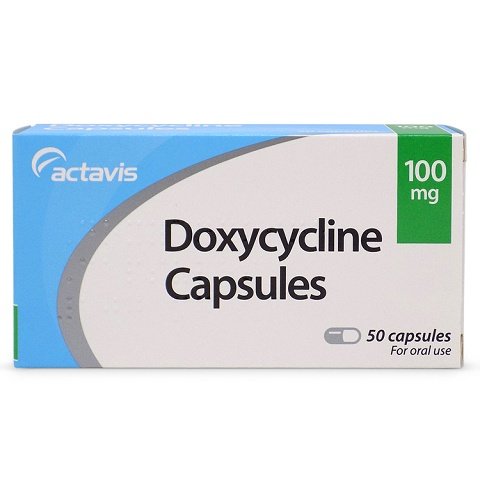
Quality Check: How Should Authentic Doxycycline Look?
- Tablets or capsules are usually yellow or light orange, with scoring and clear imprint codes.
- Packaging is intact, labeled in English, and includes US manufacturer details.
- US-sold Doxycycline often carries a QR code or hologram on the box for verification at the pharmacy.
- Blister packs or bottles should not be opened or tampered with.
- Leaflet is enclosed, stating dosing, side effects, storage instructions, and emergency advice.
If your medicine looks suspicious or does not match the above description, consult your pharmacist before use.
Professional Opinion of doctor
As a practitioner, I find Doxycycline to be an indispensable tool for treating a wide variety of bacterial infections, especially those resistant to first-line drugs or involving atypical pathogens. It remains the antibiotic of choice for Lyme disease, many tick-borne illnesses, and is reliable for acne and malaria prophylaxis. However, its use is not universal: it’s unsafe in young children and pregnancy, and the risk of photosensitivity requires good patient education. Patients with complex medical histories or those on multiple medications need individualized care to avoid interactions. While generics are just as effective as branded products, always confirm their authenticity through a trusted US pharmacy. When alternatives like Amoxicillin or Azithromycin are available, I weigh factors such as patient allergy history, side effect profile, and the type of infection. Doxycycline is best for those who can adhere closely to instructions and who understand the importance of finishing the full course. When in doubt, I advise patients to reach out before making any changes or if unexpected reactions occur.
FAQ: Doxycycline Questions in the United States
Q: Can Doxycycline be used every day for acne?A: Yes, with a doctor’s supervision. Long-term daily use is sometimes prescribed for acne, but duration and monitoring are essential due to resistance and side effect risks.
Q: Is Doxycycline covered by insurance?
A: Most US health insurance plans and Medicare Part D cover generic Doxycycline, but check your specific plan for copays.
Q: How fast does Doxycycline work for infections?
A: Improvement is often seen within 24–48 hours, but you must finish the entire course as prescribed.
Q: Can I stop Doxycycline if I feel better after a few days?
A: No. Stopping early increases the risk of relapse and antibiotic resistance. Finish your prescribed course.
Q: What foods should I avoid during Doxycycline treatment?
A: Avoid dairy products, antacids, and iron supplements within two hours of your dose.
Q: Is sun exposure really dangerous during treatment?
A: Yes. Doxycycline increases sunburn risk. Always use sunscreen and protective clothing.
Q: Do I need a new prescription for each course?
A: Yes. Each episode of infection or prevention requires its own prescription in the US.
Q: Can I drive or operate machinery while on Doxycycline?
A: Most people can, but if you develop headaches, dizziness, or visual changes, avoid such activities and inform your doctor.
References
- U.S. Food and Drug Administration (FDA). https://www.fda.gov/
- National Institutes of Health – Doxycycline MedlinePlus. https://medlineplus.gov/druginfo/meds/a682063.html
- Centers for Disease Control and Prevention – Doxycycline for Malaria. https://www.cdc.gov/malaria/resources/pdf/fsp/drugs/Doxycycline.pdf
- Mayo Clinic – Doxycycline (Oral Route). https://www.mayoclinic.org/drugs-supplements/doxycycline-oral-route/description/drg-20072060
- National Association of Boards of Pharmacy, VIPPS Pharmacy Accreditation. https://nabp.pharmacy/programs/accreditations/vipps/
- Drugs.com Imprints Database. https://www.drugs.com/imprints.php
- PubMed – Recent Clinical Studies on Doxycycline. https://pubmed.ncbi.nlm.nih.gov/