
Fitness & Exercise: How to Stay Active with a Busy Schedule
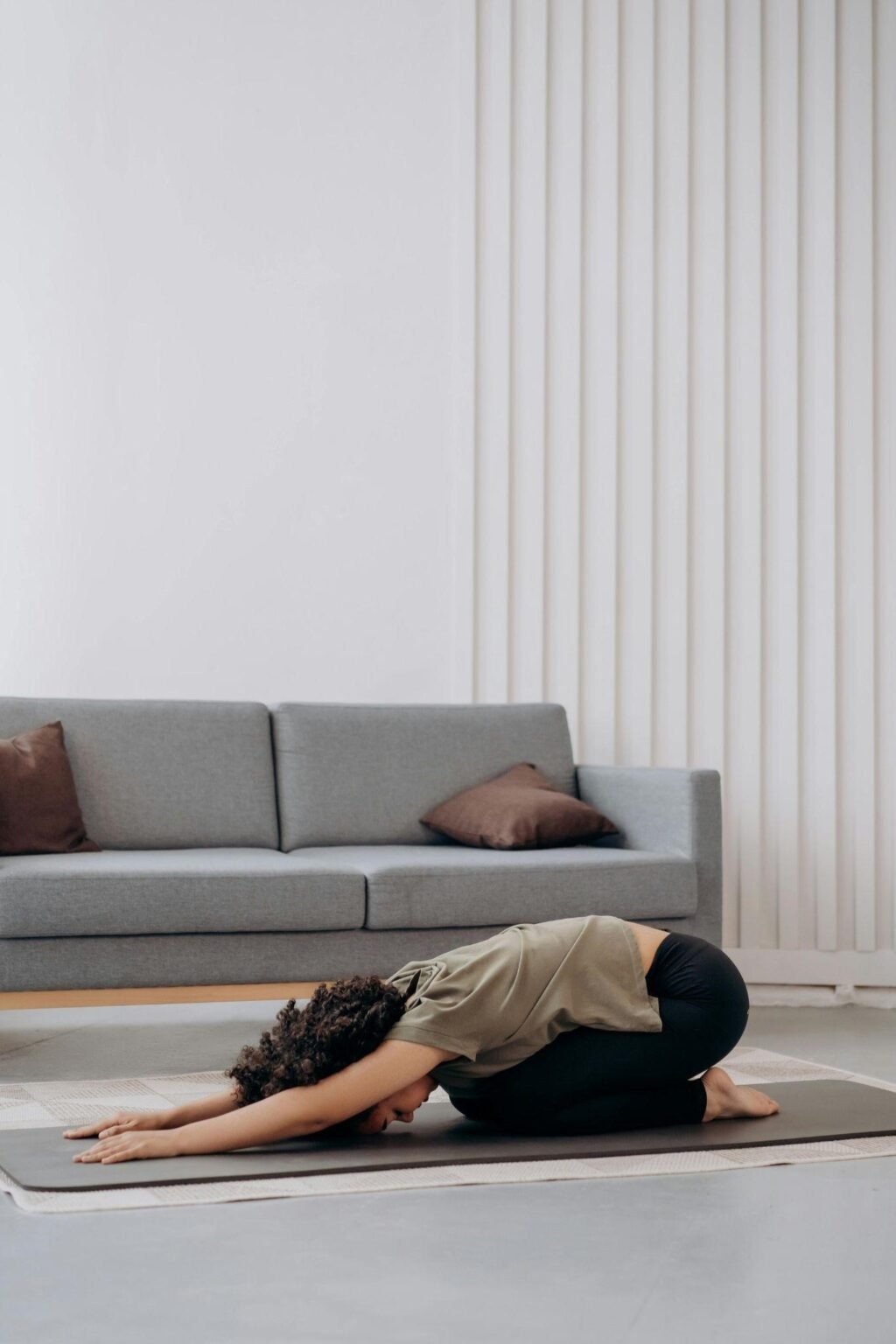
Fitness depends on our entire routine, not just the hour we spend at the gym. At its heart, fitness is simply about moving your body in ways that support your health. Even small choices—like taking a brisk walk or stretching before bed—can have a significant impact.
However, finding time is the biggest hurdle. Many professionals struggle to figure out how to stay active with a busy schedule, especially when deadlines pile up. In 2025, the focus has shifted to “Exercise Snacking”—short bursts of movement scattered throughout the day. This approach proves that learning how to stay active with a busy schedule isn’t about finding more time; it’s about using the time you have better.
What is the best way to stay active with a busy job?
The secret to mastering how to stay active with a busy schedule is maximizing NEAT (Non-Exercise Activity Thermogenesis).
- Micro-Movements: Fidgeting, stretching, or standing while on calls.
- The “2-Floor Rule”: Always take the stairs if it’s less than two floors up.
- Commute Cardio: Park further away or bike to work.
- Deskercise: Simple leg lifts or glute squeezes while seated.
Why Staying Active Really Matters
Our bodies are designed for movement. Staying sedentary for long periods makes muscles stiff and slows metabolism. Regular movement ensures normal blood flow to organs, keeping our minds sharp. Hence, knowing how to stay active without a gym benefits both your body and your mind. Small, frequent movements boost your mood and help release stress.
When you think of activity as something that fits into your day—not something you have to schedule, ideally—it becomes much easier to stay consistent.
Why Busy Schedules Make Fitness Difficult
Due to digitalization, our routines have become sedentary. Multiple shifts and tight deadlines leave little time for oneself. Feeling tired at the end of the day lowers motivation, and gym memberships can be expensive. The challenge of how to stay active with a busy schedule is real, but acknowledging these obstacles makes it easier to work around them.
The Solution: Stop trying to force a 1-hour workout into a 15-minute gap. Instead, focus on how to stay active while working by integrating movement into your daily tasks.
Why Exercise is Important for Busy People
If your days feel rushed, taking time out for exercise is even more essential. Here’s why: A few minutes of movement can increase focus, improve mental clarity, and lift your energy levels. Physical activity also helps reduce stress, improve sleep, and support long-term health by strengthening the heart, bones, and muscles.
You need to be consistent, even if it’s 20 minutes of stretching. What matters most is showing up regularly, even if it’s only for a few minutes.

Simple Ways to Stay Active Throughout Your Day
You don’t need a gym to get fit. Here are practical tips on how to stay active with a busy schedule:
1. Master “Deskercise” (Desk Exercise)
If you are glued to a chair, you can still move.
- Seated Leg Lifts: Straighten one leg out while sitting and hold for 10 seconds.
- Shoulder Rolls: Release tension from typing.
- Standing Meetings: Take your phone calls while pacing around the room.
2. Utilize Your Commute
This is often “dead time” that can be reclaimed. Park your car at the far end of the lot to force a 5-minute walk. This is a simple trick for those asking how to stay active with a busy schedule without adding extra hours to their day.
3. The “Kitchen Workout”
While waiting for the kettle to boil or the microwave to ping, do 10 squats or use the counter for incline push-ups. This is the essence of how to stay active without a gym—using your environment.
Quick Workouts You Can Do Anytime
Short workouts are perfect for tight schedules. High-Intensity Interval Training (HIIT) is the most efficient answer for how to stay active with a busy schedule. It gives your body a powerful boost in just 10–20 minutes.
Stair Climbing: A fantastic cardio blast that requires zero equipment. Consistency matters far more than intensity. Even five minutes of focused movement helps you feel stronger.
Bodyweight Circuit: 20 squats, 10 push-ups, 20 lunges. Repeat 3 times.
Consistency matters far more than duration or intensity, especially when life gets busy.
Tips for Staying Active and Healthy
- Move regularly throughout the day, even if it’s for a few minutes.
- Treat exercise as a fun activity, and pick the movements you actually enjoy.
- Start with small, realistic goals and build from there.
- Mix different forms of movement—cardio, strength, stretching.
- Prioritize good sleep and balanced meals to support your energy.
- Pay attention to your body and rest when you need to.
These simple habits can help you stay active without feeling pressured or overwhelmed.
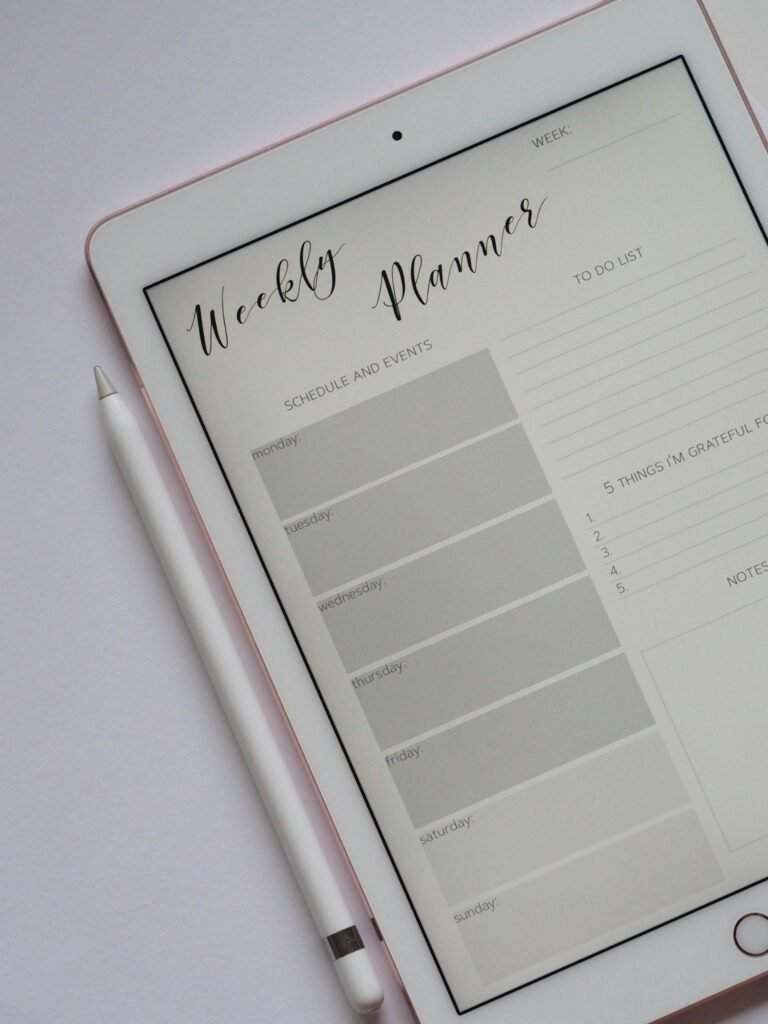
Balancing Work, Life, and Health
Finding balance doesn’t mean doing everything perfectly. It means being mindful.
Track Your Steps: Use a smartwatch or phone app. Aim for 7,000 steps if 10,000 feels impossible.
Set Boundaries: Block out 15 minutes in your calendar for a “Movement Break.”
Prioritize Sleep: Recovery is just as important as movement.
When you think of health as part of your daily life—not an extra task—you’re more likely to stay consistent and feel better overall.
Conclusion
Understanding how to stay active with a busy schedule is about changing your mindset. It is not about perfect workouts; it is about consistent movement. By embracing exercise snacking and finding creative ways on how to stay active while working, you can maintain a healthy lifestyle without burnout.
FAQ (Frequently Asked Questions)
1. How much exercise do I need each day?
Around 30 minutes of moderate movement is ideal, or you can walk for 15 minutes in the morning and 15 in the evening.
2. What if I don’t have time for the gym?
Even if you don’t have enough time for the gym, try adding activities like morning stretches, a daily 20-minute walk, and using stairs instead of the elevator.
3. How can I stay motivated to exercise?
Try to think of exercise not as another task but as a break from routine chores. Play music, pick enjoyable activities, set small goals, and celebrate your progress.
4. Can short workouts help with weight loss?
Definitely! Short but regular workouts help you lose weight slowly and offer long-term health benefits.
5. Should I exercise when I feel tired?
Try yoga, deep breathing, or meditation instead of exercise. Light activity can help, but take rest when needed.
6. Do I need equipment to stay active?
No. Your own body weight and everyday movement are more than enough.