The Future of AR/VR: Transforming Education and Remote Work
Augmented Reality (AR) and Virtual Reality (VR) are rapidly moving beyond gaming into core applications for education and remote collaboration. They are powerful tools for reshaping how we learn, teach, and interact, promising more engaging, efficient, and accessible digital experiences in the next decade. As hardware becomes lighter and AI integration improves simulations, AR and VR are transitioning from experimental concepts to essential components of modern classrooms and professional workspaces.
Understanding the Core Technologies: AR vs. VR
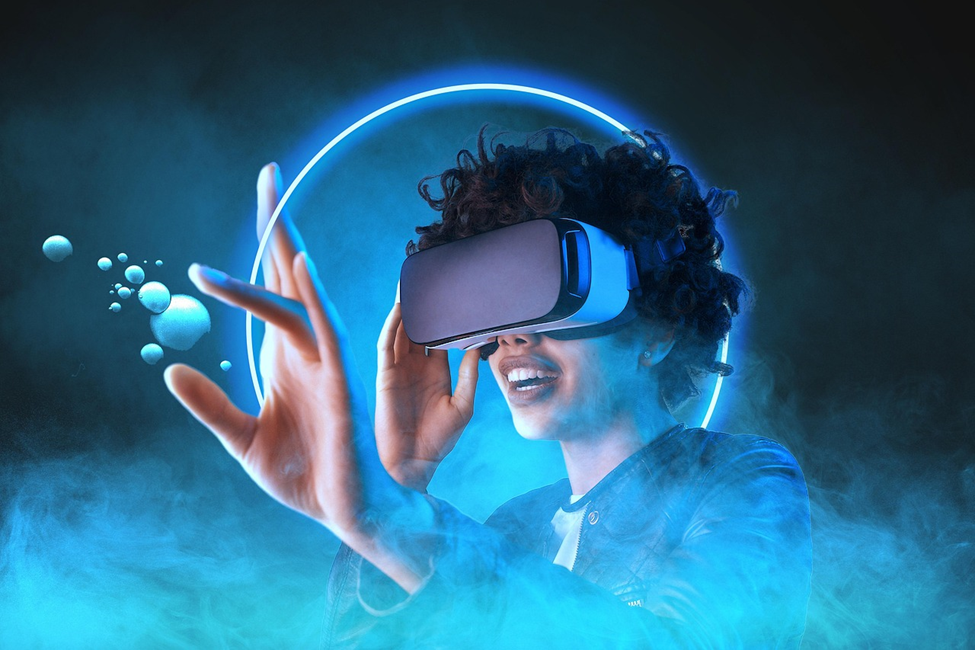
Virtual Reality (VR)
- Experience: Fully Immersive. VR replaces the real world with a completely computer-generated, simulated environment. It transports you out of your reality.
- Hardware: Requires a dedicated headset (e.g., Meta Quest, Valve Index) to achieve total isolation and immersion.
- Primary Use: Best for high-fidelity simulations, skill-based training (like surgery or flying), virtual tourism, and immersive learning environments where total focus is required.
Augmented Reality (AR)
- Experience: Augmented/Blended. AR overlays digital information (3D models, data, instructions) onto the user’s view of the real world. It layers digital information onto your reality.
- Hardware: Can be accessed via common devices like smartphones and tablets, or through specialized, lightweight AR glasses (e.g., Microsoft HoloLens).
- Primary Use: Ideal for real-time assistance (like AR-guided repairs), contextual information display, and interactive 3D learning without needing to isolate the user.
In short: While both are immersive technologies, VR creates a new world, and AR enhances the existing one.
How AR/VR Is Transforming Education
Schools and universities worldwide are adopting AR and VR to enhance traditional learning methods. These immersive learning technologies go far beyond textbooks, offering hands-on, interactive experiences that boost retention and help students understand complex concepts with ease.
1. Immersive Learning That Brings Subjects to Life
The ability to create immersive learning environments is the most significant advantage. Instead of just reading, students can:
- Walk through virtual historical sites (e.g., Ancient Rome or the surface of Mars).
- Use AR to overlay dynamic 3D models of the human heart or a complex engine onto a flat textbook or lab table, making abstract concepts intuitive.
2. Realistic Skill Training Without Real-World Risks
VR is a popular solution for skill-based fields like medicine, engineering, aviation, and manufacturing. Students can perform surgery, operate complex machinery, or troubleshoot systems in a risk-free environment. These immersive simulations improve accuracy, boost confidence, and significantly reduce the cost of using real, expensive equipment.
3. Personalized and Accessible Learning Experiences
AI-enhanced VR platforms can adapt to a student’s pace, strengths, and challenges in real time, offering personalized learning paths. Furthermore, Virtual field trips and interactive labs remove physical barriers, offering greater accessibility for students with disabilities or limited mobility, fostering inclusivity in education.
4. Global Classrooms and Virtual Field Trips
AR/VR technology is breaking down geographical barriers. Students can collaborate on projects within virtual classrooms, solving puzzles or working on designs together as avatars. Virtual field trips allow learners to visit museums, natural wonders, and remote locations across the globe—all without leaving their school or home, encouraging cross-cultural connections.
AR/VR’s Growing Impact on Remote Work
The global shift toward remote work has highlighted the need for better communication and presence. AR/VR for remote work bridges the gap between physical and digital spaces, enhancing interaction and collaboration.
1. Virtual Offices and Engaging Meetings
Traditional video calls can often lack engagement. VR introduces interactive virtual office environments where teams meet as avatars in a shared digital space. This fosters a stronger sense of presence and allows for collaboration—such as manipulating a 3D prototype or exploring data patterns—as if you were physically together.

2. Real-Time 3D Collaboration Tools
AR/VR tech provides powerful tools for instantly presenting and manipulating designs and models. There’s no need to share static images; instead, team members can collaborate on a real-time 3D model simultaneously, accelerating decision-making and product development cycles dramatically.
3. AR-Guided Remote Assistance
For technicians, engineers, and field workers, AR is essential for hands-on industries. Using AR glasses or a mobile device, employees can receive live support from remote experts who can overlay step-by-step instructions, diagrams, or arrows directly onto the physical equipment in the user’s view. This AR-guided assistance drastically reduces errors, speeds up repairs, and minimizes the need for expert travel.
4. Improving Work-Life Balance and Focus
The immersive nature of VR can help remote professionals create better boundaries. They can “enter” a dedicated virtual workspace to eliminate physical distractions and boost focus, and then deliberately “exit” at the end of the workday, helping to prevent the burnout often associated with blurring home and office life.
Challenges and Future Trends in AR/VR Adoption
A comprehensive understanding requires addressing the challenges these technologies face as they push toward widespread adoption:
- Cost and Accessibility: Dedicated VR headsets and high-end AR hardware remain a significant investment for schools and businesses. The high cost of hardware often limits student-to-device ratios, creating equity concerns.
- Content Development Complexity: Creating high-quality, educationally sound, and engaging virtual classrooms and simulations requires specialized talent (3D modelers, developers) and significant capital, leading to a shortage of quality content.
- Technical Infrastructure: Robust, high-bandwidth networks and computing power are essential to handle the data load required for seamless, multi-user immersive experiences. Inadequate Wi-Fi can limit interaction with cloud-based content.
- Health and Privacy Concerns: Extended VR use can cause motion sickness or eye strain. Furthermore, the collection of personal data by AR and VR devices raises significant concerns about student and employee privacy and data security.
In the coming years, we expect the future of AR/VR to evolve through:
- Widespread use of lightweight, affordable AR glasses for daily work and contextual learning.
- The rise of global, VR-based university campuses and professional training centers.
- More seamless Hybrid Classrooms that blend physical lab work with virtual simulations.
- AI creating personalized virtual content on demand, significantly reducing the content creation barrier.
AR and VR are not designed to eliminate human connection—they are designed to enhance it. These technologies are poised to make education more engaging and personalized, and remote work more collaborative and efficient than ever before.
Frequently Asked Questions (FAQs)
What is the primary difference between AR and VR technology?
Virtual Reality (VR) creates a completely artificial, simulated world, fully immersing the user (e.g., a flight simulator). Augmented Reality (AR) overlays digital information and 3D models onto the user’s real-world environment (e.g., using a phone to place a virtual piece of furniture in your living room).
Does AR/VR actually improve student performance and engagement?
Yes. Studies have shown that the immersive and interactive nature of AR/VR significantly improves student engagement and can lead to better knowledge retention and skill mastery compared to traditional methods, especially for complex or abstract concepts.
What are the biggest challenges to adopting AR/VR in schools?
The biggest challenges are high implementation costs for specialized hardware (headsets, sensors), the technical complexity and cost of creating high-quality educational content, and the need for educator training to effectively integrate these tools into existing curricula.
How does AR-guided remote assistance work for field workers?
AR-guided assistance uses smart glasses or tablets to overlay step-by-step digital instructions, diagrams, or live video annotations directly onto the physical equipment a field worker is servicing. This allows an expert in a remote office to guide the worker through a repair in real-time.
Will VR headsets completely replace traditional video calls for remote work?
VR headsets are unlikely to completely replace simple video calls for casual meetings. However, they are increasingly used for collaborative work that requires a sense of presence, shared 3D visualization (e.g., design review), or high-fidelity virtual training, as they offer a much more engaging experience than 2D video.