
Sleep Better, Live Better: How Sleep Affects Health and Productivity
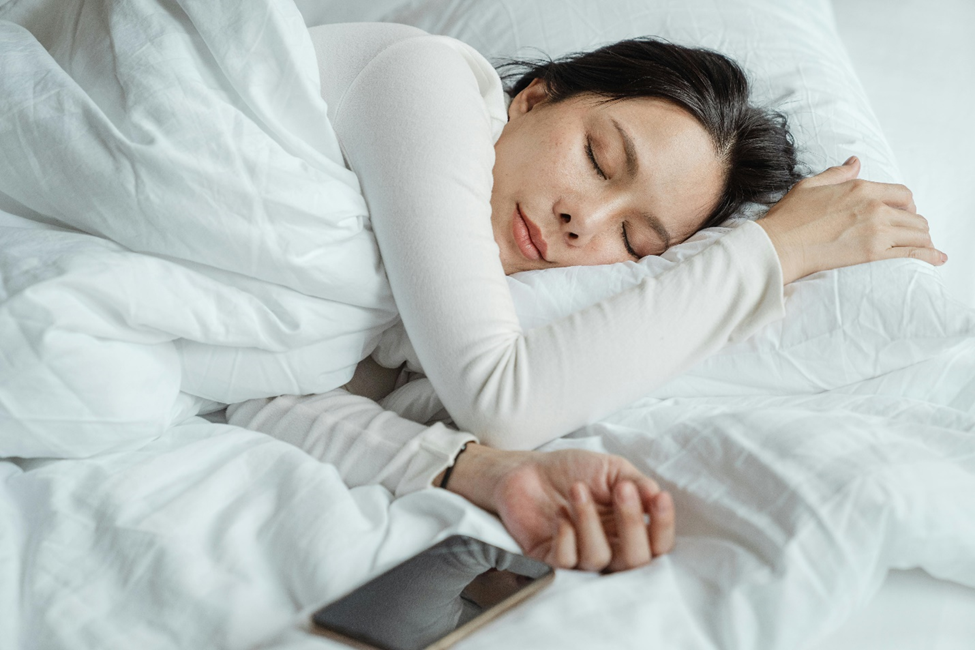
We live in a world where late-night activities and “hustle culture” are standard norms. As a result, the thing that suffers most is peaceful sleep, and hence our overall health. Many people treat it as optional, squeezing it in only after everything else is done.
But sleep is not just “rest.” It is an active, biological process that performs repairing and essential functions to keep our bodies healthy. In 2025, the conversation has shifted to “Sleep Syncing”—aligning your life with your biology.
Hence, having quality sleep is crucial not only for improving health but also for boosting productivity. Let’s explore how sleep affects health and productivity and how you can start sleeping better today.
How does sleep affect productivity?
Sleep affects productivity by regulating cognitive functions like concentration, memory retention, and decision-making.
- Focus: A well-rested brain can filter distractions 2x better than a sleep-deprived one.
- Memory: REM sleep consolidates what you learned during the day (essential for students and professionals).
- Emotional Control: Quality sleep reduces workplace stress and prevents “decision fatigue.”
- The Statistic: Poor sleep costs the U.S. economy over $411 billion annually in lost productivity.
Why Sleep Matters More Than You Think
When we dig into the science behind sleep, we find it’s far more than just taking a break. Key Benefits of Quality Sleep:
Key Benefits of Quality Sleep:
- Strengthens the immune system (essential for fighting viruses).
- Sleep affects mental health by regulating cortisol (stress hormone).
- Enhances creativity and decision-making (The “Chronoworking” effect).
- Encourages growth in kids (Growth Hormone is released during Deep Sleep).
To put it in a nutshell: sleep is fuel for the brain, and without efficient sleep, the brain slows down.
The Science: Sleep Cycles and 2025 Trends
Sleep is composed of recurring cycles that guide the body and brain through distinct stages of rest, each serving a unique purpose. There are three stages of sleep, each with its own duration and purpose.
There are three types of sleep cycles each lasting about 90–110 minutes
- Light Sleep: The transition phase.
- Deep Sleep: Physical repair occurs here (muscles rebuild, toxins flush out).
- REM (Rapid Eye Movement): The “Mental Health” stage where dreaming and emotional processing happen.
Light and deep sleep phases are crucial for physical health. During these cycles, primarily the repair and rebuilding of cells and tissues occur. Also, immune system strengthening and the restoration of physical energy occur during light and deep sleep. However, during REM sleep our body learns to regulate emotions through dreams. Dreaming is also responsible for memory processing and learning. Throughout the night, we move through several of these cycles, with REM periods becoming longer toward morning.
New Trend: “Sleep Syncing” In 2025, the trend of Sleep Syncing is taking over. This means adjusting your schedule to your circadian rhythm rather than fighting it. If you are disrupted during these cycles, you wake up groggy (known as sleep inertia).
How Sleep Affects Your Health
1. Physical Health
Apart from repairing and regenerating the body, it also undergoes other crucial functions during quality sleep. Kids who are still growing must have uninterrupted sleep to support their growth. While we are asleep, some hormones responsible for development, muscle recovery, and overall healing are released.
When sleep quality is poor, the immune system weakens. Inadequate sleep is linked to chronic inflammation and metabolic issues. Inadequate sleep is also linked to body dysfunctions, including inflammation, disrupted metabolism, and cardiovascular dysfunction. Such a person is more susceptible to risks of a lot of diseases related to the heart that can be life-threatening sometimes. Simply put, good sleep hygiene protects your long-term health.
2. Mental Health
Have you ever noticed you are irritable after a bad night? Chronic sleep deprivation disrupts the brain’s chemical balance, leading to anxiety and burnout. Irritability, anxiety, and mood swings happen when your body doesn’t get time to regulate emotions. When you get enough sleep, your body can manage stress and process daily experiences. Over time, chronic sleep deprivation disrupts the brain’s chemical balance, and such people are on the verge of getting into mental health conditions like anxiety, stress, and depression.
3. Hormonal Balance
Sleep and weight loss are connected. Lack of sleep increases Ghrelin (the hunger hormone) and decreases Leptin (the fullness hormone), leading to overeating and weight gain. When you sleep well, your body appropriately manages the stress (cortisol) hormone that puts the body into fight or flight mode. It is necessary, but needs to be triggered only in danger. Poor sleep, however, can lead our bodies to think we are still in danger, disrupting normal bodily functions.
Also, lack of sleep can disturb appetite-regulating hormones, often leading to increased hunger, weight gain, and heightened stress. Our gut function, time, and mood regulation need proper rest and quality sleep.
How Sleep Impacts Productivity
A new workplace trend called “Chronoworking” is emerging in 2025. This involves working during your peak energy hours based on your chronotype (Early Bird vs. Night Owl).
The Result: When you work with your sleep cycle, you make fewer mistakes and complete tasks faster.
The Cost: Lack of sleep demotivates a person, making them reactive rather than proactive.
How Technology Affects Your Sleep
Exposure to screens, especially before bedtime, disrupts sleep and its quality. Screens emit Blue light, and a study shows that blue light delays sleep by interfering with melatonin production.
Over time, these habits can lead to sleep deprivation, fatigue, and decreased cognitive performance. To protect your rest, it’s important to limit screen time before bed, use night mode or blue light filters, and establish a technology-free wind-down routine.
Tips to Improve Your Sleep (The 10-3-2-1 Rule)
To improve your sleep quality, experts recommend the “10-3-2-1 Rule”:
- 10 Hours Before Bed: No more caffeine.
- 3 Hours Before Bed: No more food or alcohol.
- 2 Hours Before Bed: No more work.
- 1 Hour Before Bed: No more screens (Blue light detox).
Bonus Tip: Maintain a perfect sleep ambience. The best temperature for sleep is around 65°F (18°C).
Conclusion:
Sleep affects health and productivity in undeniable ways. It is the foundation of a high-performance life. By embracing trends like Sleep Syncing and prioritizing rest, you can boost your focus, maintain a healthy gut, and ensure your brain fires on all cylinders.
FAQ (Frequently Asked Questions)
Q1: Why is sleep so important for health?
Sleep helps many body functions happen at the right time. With good-quality sleep, our body performs functions like cell repair and regeneration, efficiently regulates hormones, and also boosts the immune system.
Q2: How does sleep affect productivity?
Quality sleep improves focus, memory, decision-making, and problem-solving skills. Lack of sleep reduces attention, slows reaction times, and disrupts daily life functions.
Q3: What are the stages of sleep?
There are three stages of sleep: light sleep, deep sleep, and REM (Rapid Eye Movement) sleep. Light sleep helps your body transition into rest, deep sleep repairs tissues and restores energy, and REM sleep is crucial for memory, learning, and emotional processing.
Q4: How much sleep do adults need?
While the standard is 7–9 hours, quality matters more than quantity. 7 hours of uninterrupted, deep sleep is better than 9 hours of fragmented rest.
Q5: How does technology affect sleep?
Exposure to blue light from phones suppresses melatonin (the sleep hormone), tricking your brain into thinking it is still daytime. This delays REM sleep and reduces rest quality.
Q6: How can I improve my sleep quality?
- Maintain a consistent sleep schedule.
- Create a relaxing bedtime routine.
- Keep your bedroom calm, dark, and quiet.
- Limit caffeine, alcohol, and heavy meals at night.
- Stay physically active during the day.
- Manage stress through meditation, journaling, or stretching.